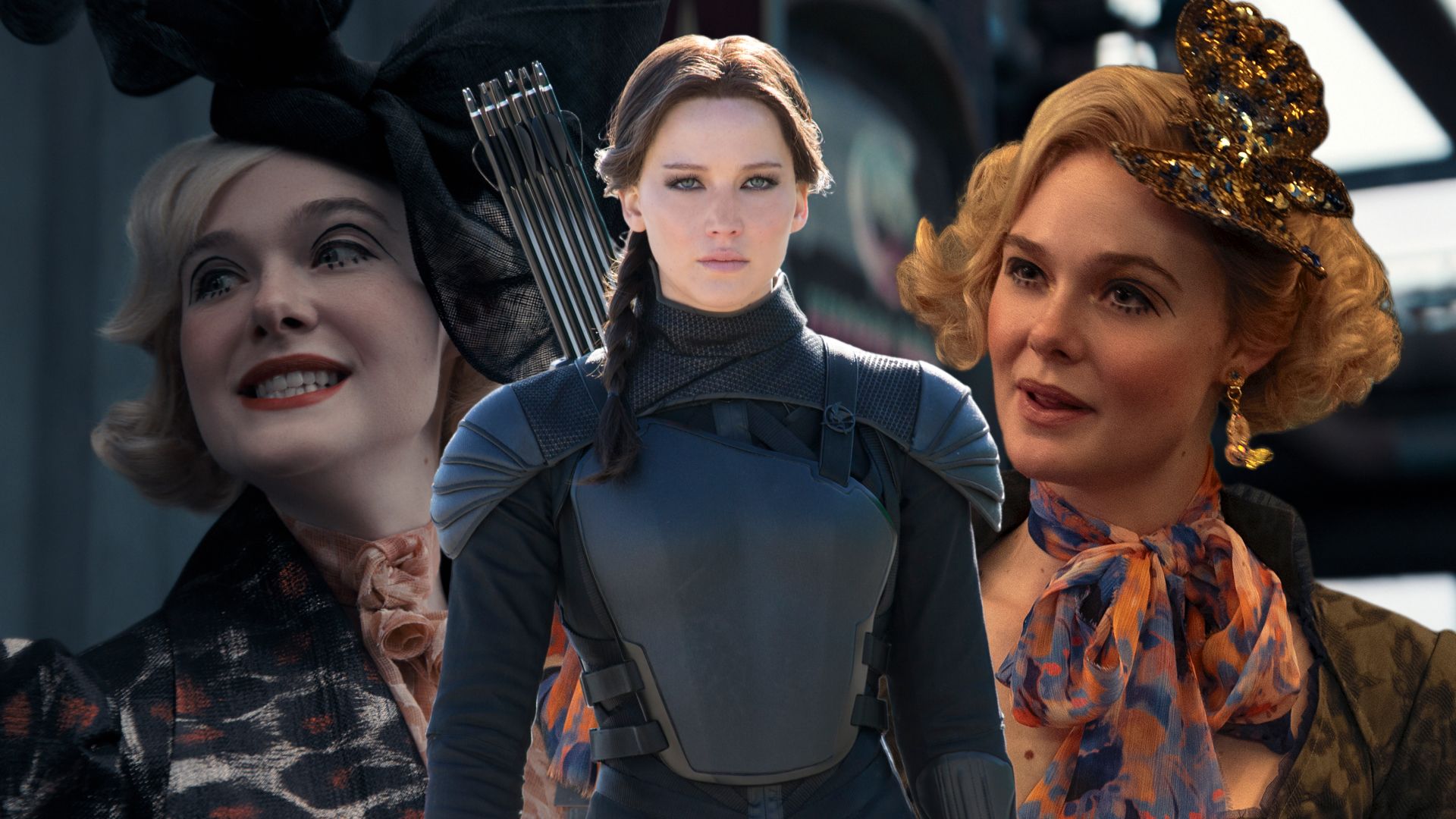
Costume design in a franchise as visually coded as *The Hunger Games* is never just about clothes, it is world-building, character psychology, and a quiet declaration of power all stitched into one seam. Bina Daigeler understood this immediately when she stepped into the prequel *Sunrise on the Reaping* with only weeks to prepare, and her work offers a masterclass in how to honor a legacy without being imprisoned by it. Twenty Years of Kylie Jenner: A Study in Quiet Style Evolution reminds us that even the most public style narratives benefit from subtlety and patience, and Bambi Nails Soften the Wild With Quiet, Feminine Intention echoes the same philosophy: refinement is felt, not shouted. Daigeler's approach is the cinematic equivalent of that ethos, she builds familiarity through texture, color, and silhouette, then lets the characters breathe inside them.
What makes her work worth discussing is not merely the butterfly earrings or the archival Vivienne Westwood nods, but the restraint she applied to Effie Trinket. Elle Fanning's Effie is younger, freer, and deliberately less corseted than Elizabeth Banks's version, and Daigeler resisted the temptation to make her a carbon copy. Instead, she planted seeds: the same butterfly motifs appear, but as delicate vintage finds from Portobello Road rather than runway showstoppers. The high-collared leopard-print suit that closes the film is not yet the full armor we recognize from the reapings, it is the first layer. This is how you treat a beloved character with dignity: you show her becoming, not arriving. It is an intentional, feminine confidence that trusts the audience to follow the thread.
The epilogue scene with Jennifer Lawrence's Katniss is where Daigeler's emotional intelligence truly surfaces. She did not over-design. She pulled vintage options, let Lawrence choose what felt true, and then added an earthy brown cardigan to draw out the "cozy" side of a woman who has survived unimaginable violence. The dress remains butter yellow and floral, a direct visual link to *Mockingjay*, but the cardigan and boots ground her in a new maturity. It is a quiet luxury of character: the suggestion that strength and softness can coexist without contradiction. Daigeler understood that Katniss does not need a costume reveal; she needs a costume that feels like an extension of who she has become.
The practical takeaway here is that honoring a story's past does not require repeating it. Daigeler's short timeline forced her to be decisive, and that pressure yielded a wardrobe that feels both inevitable and surprising. For anyone building a visual identity, whether for a brand, a character, or themselves, the lesson is clear: treat your references as foundations, not blueprints. The most memorable details are often the ones that whisper, not the ones that announce. Watch how Fanning's Effie moves from butterfly earrings to leopard-printed stiffness; that arc is the real costume.