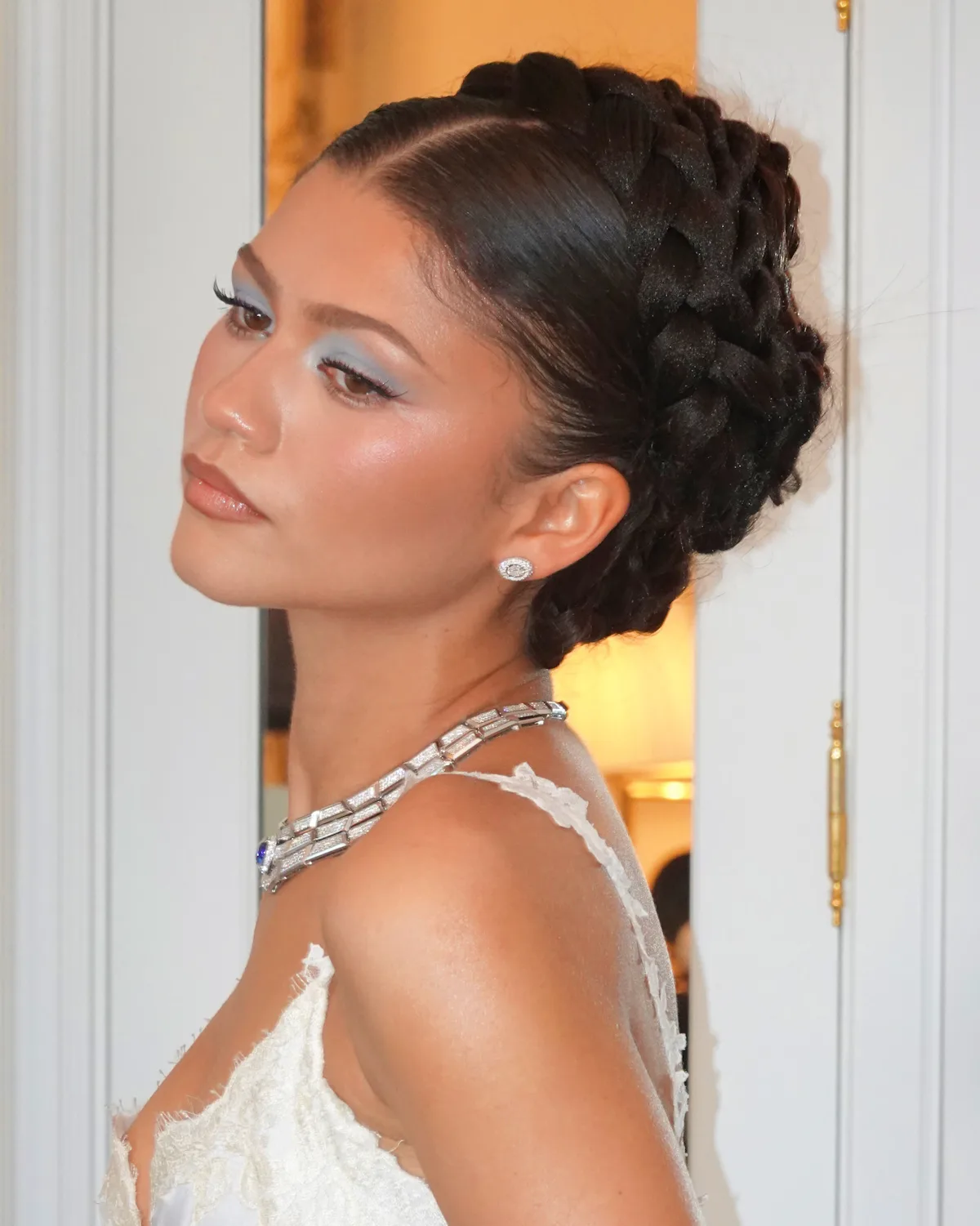
There is a particular kind of power in restraint, and the return of braids proves it. As the article notes, we are moving away from the stark utilitarianism of the Clean Girl aesthetic and toward something with more texture, more narrative. Zendaya's press run for *The Odyssey* has catalysed this shift, but what feels significant is not the celebrity endorsement itself, it is the language of the style. These are not the severe, sculptural looks of the red carpet, nor the gym-ready slick-backs we have worn for years. They are loose, whimsical, and deliberately imperfect. That is the quiet luxury we respond to: luxury that looks like it happened organically, even when it took hours to achieve. It is the same editorial instinct that guides our recent The October Edit: The Quiet-Luxury Staples Defining the Season, where the focus is on pieces that feel inevitable rather than loud.
For our readers, this is more than a trend cycle correction. It is an invitation to reconsider what effort means. The Clean Girl look was often about erasing evidence of the hand; it demanded a certain blankness. This braided moment asks for the opposite. It asks for intention, for a relationship with your own hair that is tactile and personal. The braids are not a uniform; they are an expression of inner state. We would tell anyone asking about this transition to stop thinking in terms of "styles" and start thinking in terms of "states." A loose braid worn over the shoulder suggests a woman who is present, not performing. It suggests she has time, not because she is idle, but because she prioritises the ritual of self-care. That is the confidence we admire, and it aligns with the philosophy behind our Quietly Exceptional Finds That Earned Their Devoted Following, where the value is in the feeling, not the label.
The practical takeaway is simple: this is a low-risk entry point into a more expressive beauty language. You do not need a couture stylist to achieve the look, but you do need to embrace a certain softness. We would advise our readers to see this as a permission slip to let go of the need for polished perfection. The whimsy comes from the stray strand, the slightly undone knot. It is a lesson in control, or rather, the illusion of control. That is the emotional core here. The braid is a metaphor for the way we hold ourselves together, gently, with love, and without the need for external validation. It is a quiet statement, but it is not a weak one.
The detail to watch is how this translates beyond the head. If the braid becomes the anchor, we will see it echoed in jewellery, in fabric draping, in the cut of a sleeve. The question is not whether the trend has legs, but whether we are ready to let our other choices become as intentionally undone. We are watching the stylists, the ones who pair a simple plait with a tailored blazer. That juxtaposition, between the raw and the refined, is where the real magic lives. That is the point we would leave you with: it is not about the braid itself, but the attitude it signals. And that, unlike the style, is not going anywhere.