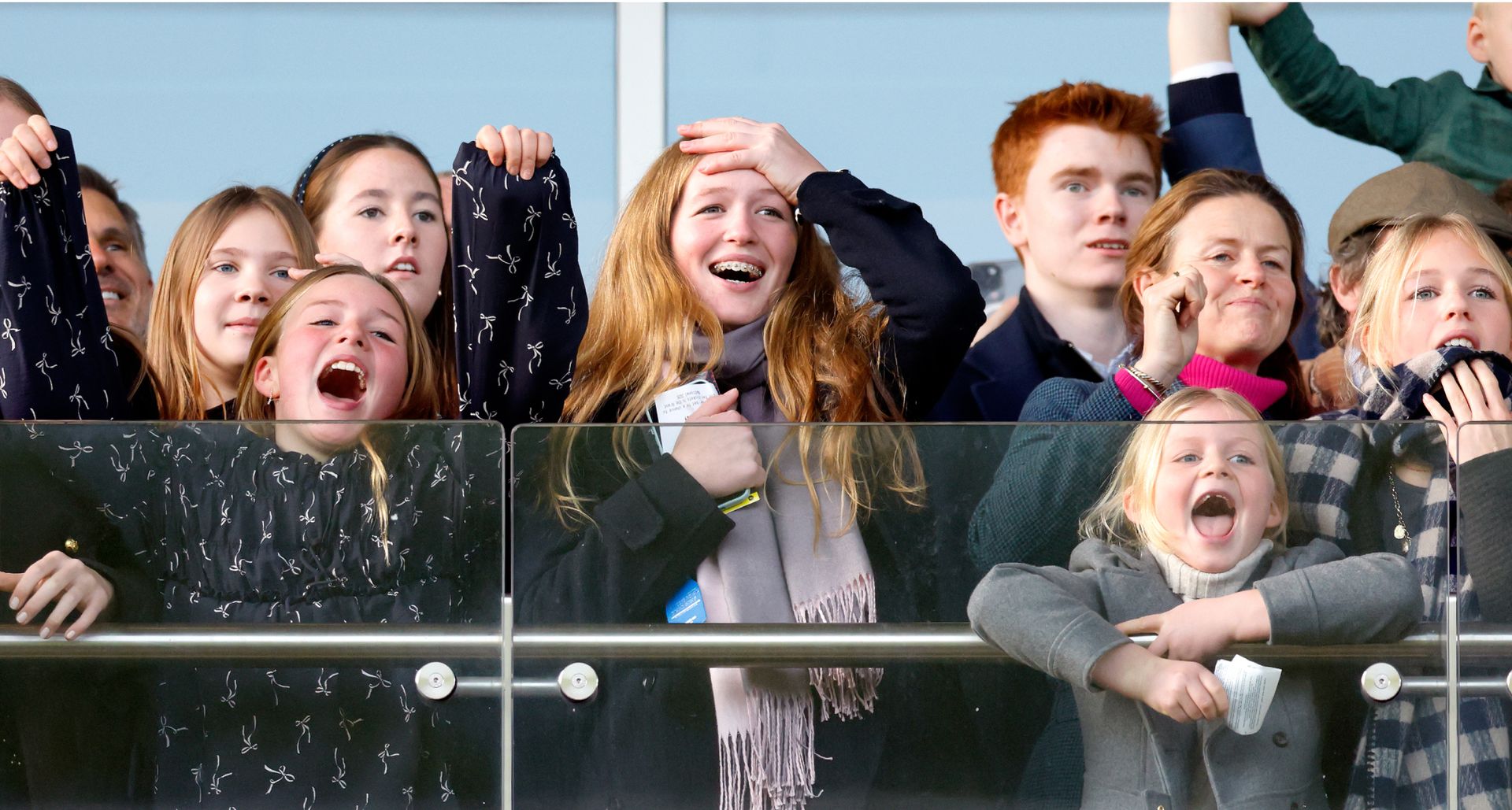
There is something quietly thrilling about the image of Mia, Lena, and Lucas Tindall chasing each other up the stairs, ankle taps and all. It is not the polished, curated version of royal childhood we so often imagine. It is messier, louder, and far more telling. Mike Tindall's admission during a live recording of his podcast that his children inherit a fiercely competitive bedtime ritual reveals something essential about the family's emotional architecture. They do not merely play together; they test each other. And that, we believe, is precisely the kind of inheritance that matters most. We have seen the weight of expectation pressed upon royal children in other contexts, the quiet countryside roots that shaped Queen Camilla's hidden craft in Before the Crown, Queen Camilla's Quiet Countryside Roots Shaped a Hidden Craft remind us how formative those early, unseen years truly are. Here, the Tindalls offer a different blueprint: one where the pressure is not to perform, but to push back.
What makes this detail so compelling is not the competition itself, but the language Mike uses to describe it. He jokes that if the children prove as competitive as their mother, "we are all f****d." It is delivered with warmth, but the subtext is unmistakable. Zara Tindall, an Olympian and the daughter of an Olympian, carries a standard of drive that is not performative. It is lived. The children are not being groomed for glory in the way we might assume of royal offspring. They are being raised inside a family culture where effort, tenacity, and a little bit of friendly aggression are the norm. It echoes a theme we explored in Behind Palace Walls the Weight of a Prince's Raised Voice, that the emotional temperature inside these homes is rarely what the public assumes. In the Tindall household, that temperature runs hot with playful ambition, not cold formality.
For our readers, the takeaway is refreshingly concrete: the most enduring legacy a parent can offer is not a title or a trust fund, but a set of instincts. Mia's debut at the Blenheim International Horse Trials on her pony, Bunny Two Twirls, is a direct line from those bedtime races. She did not arrive at that arena by accident. She arrived because the spirit of the chase, of going for it, even if it means a tumble, was already woven into her. Mike's offhand remark about a potential broken leg is not careless. It is a statement of values: they are teaching resilience, not caution. The question worth watching is not whether these children will follow their mother and grandmother into the equestrian spotlight. It is whether the world will let them keep the unpolished, unguarded joy of a race to the stairs long after the cameras arrive.