Footage Reveals Filthy Conditions On Livestock Carrier As Hundreds Of Cattle Die, Importers File Legal Action
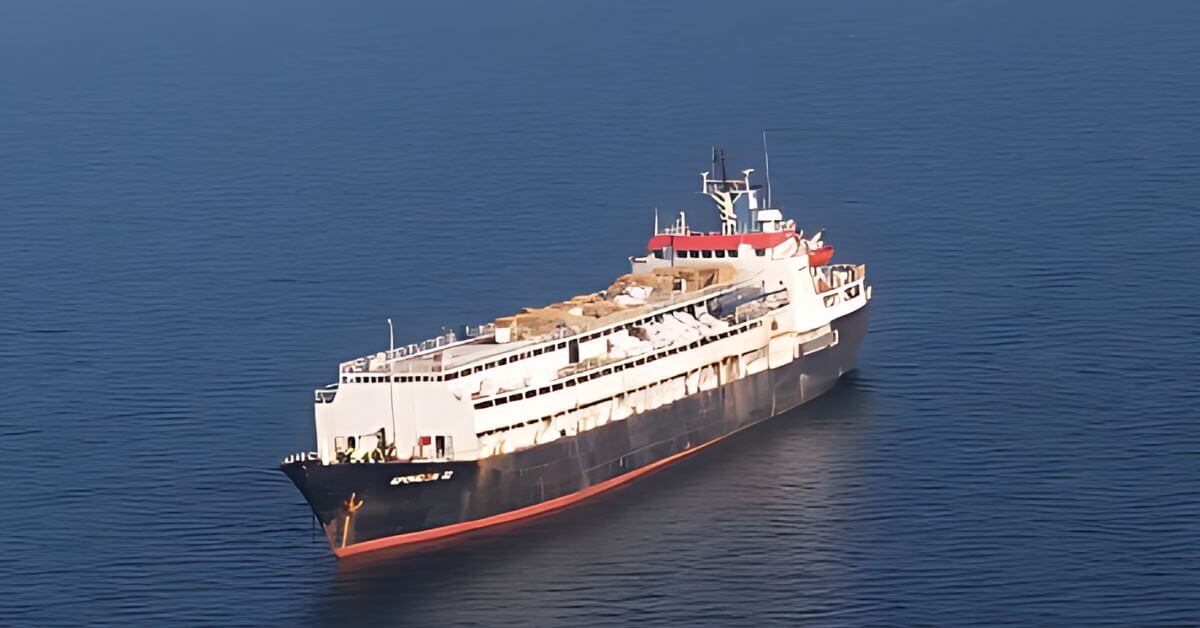
Fresh video footage and legal claims have brought new attention to the livestock carrier Spiridon II, where hundreds of cattle died after the vessel was held off the Turkish coast for weeks in late 2025.
The ship was carrying around 2,901 cattle from Uruguay to Turkey, but authorities refused entry due to problems with import documents.
The vessel, built in 1973, completed a voyage of about four weeks before reaching Turkey. On arrival, officials found that around 518 cattle were not listed in the import documents.
Because of this, the ship was not allowed to dock, and the animals remained onboard for several more weeks. During this time, conditions on the ship worsened.
Video footage taken after the vessel reached Turkish waters shows animals in poor condition. Some were too weak to stand. Many were lying in manure, and there were signs of respiratory and eye problems.
The pens appeared overcrowded. The footage also shows newborn calves kept in the same space as dead animals.
Around 140 calves were born during the voyage. According to court documents, about 90 of these calves were missing by the time the vessel arrived. Observers believe they may have died during the journey or were lost onboard.
Some calves seen in the footage were very small, while others appeared older, suggesting that some cows were already in late stages of pregnancy when loaded. This has raised questions about how the animals were selected before departure.
Importers in Turkey have filed a legal case against an Austrian livestock trader who organised the shipment. They claim he arranged the transport of all 2,901 cattle and knowingly included animals that were not listed in the import paperwork.
According to them, this created the risk that Turkey would reject the shipment. When entry was denied, the animals remained stuck at sea, and their condition continued to decline.
The trader has denied any wrongdoing. Investigations are still ongoing.
During the delay, at least 340 cattle are estimated to have died. Despite efforts by different groups to get help, the animals remained onboard. Per reports, authorities and international bodies were informed, but no action was taken at that stage.
After more than two months at sea, the vessel eventually discharged the surviving animals in Benghazi, Libya. This reportedly happened without the knowledge of the original importers. By that time, more calves had been born onboard, and the total number of surviving animals is still unclear.
The European Union exports around 3 million live animals by sea each year, mainly to North Africa and the Middle East. These voyages often involve long distances and older vessels.
If a ship is refused entry at a port, there are few options available. Animals usually cannot be unloaded or sent back, which means they can remain onboard for weeks or even months.
Ships carrying livestock have faced delays due to document issues, changes in import rules, or other legal problems. In such situations, animals are left in difficult conditions with limited support.
Reference: Animal Welfare Foundation
Want to read more?
Check out the full article on the original site