Israel Says It Killed IRGC Navy Chief Behind Near-Total Blockade Of Strait Of Hormuz
Israel has said it killed Alireza Tangsiri, the head of Iran’s Islamic Revolutionary Guard Corps Navy, in an airstrike in Bandar Abbas.
Israeli officials said he was responsible for enforcing a near-total blockade of the Strait of Hormuz, which has disrupted global oil and gas supplies and pushed prices above $100 per barrel.
Israeli defence officials said the strike was carried out on the orders of Prime Minister Benjamin Netanyahu, who had instructed forces to increase attacks on Iranian military targets ahead of a possible ceasefire.
Israel’s defence minister said Tangsiri had played a direct role in blocking the strait and was responsible for attacks on shipping.
Israeli officials also said several other senior naval officers were killed in the same strike. Iran and the IRGC have not yet responded.
Tangsiri had led the IRGC Navy since 2018 and was involved in Iran’s naval operations in the Gulf, including the use of fast boats, drones, and anti-ship missiles.
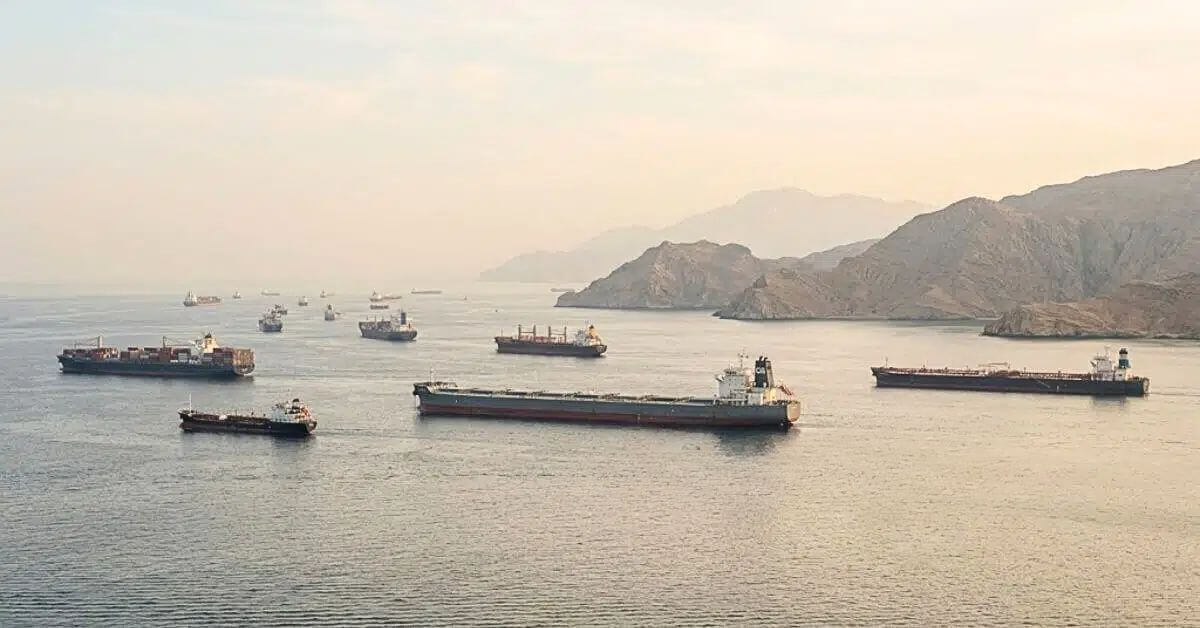
Since the conflict began on February 28, Iran has focused heavily on the Strait of Hormuz, a narrow waterway about 33 km wide that carries around 20 to 25 million barrels of oil per day, or roughly 20% of global energy trade.
Tanker movement through the strait has fallen by about 95%, affecting supplies to major buyers including India, China and other Asian countries.
The blockade has been supported by missile systems and drones positioned along Iran’s coastline and nearby islands such as Qeshm.
Iranian-linked accounts had also warned that vessels connected to countries seen as hostile would not be allowed to pass.
The disruption has raised freight costs, increased insurance premiums for ships, and forced some vessels to delay or reroute voyages.
It is still unclear if Tangsiri’s death will change the situation in the strait. Iran’s leadership has previously said its military structure does not depend on individuals.
After earlier reported deaths of senior figures such as Ali Khamenei and Ali Larijani, replacements were quickly announced and operations continued.
Foreign Minister Abbas Araghchi said Iran’s system is based on institutions, with backup leadership in place, and that military plans would not be affected. He also referred to Iran’s “mosaic defence” approach, which allows different units to operate independently.
The disruption in the Strait of Hormuz has had a direct impact on global energy markets. Oil prices have crossed $100 per barrel, adding pressure on importing countries.
India, which consumes about 5.5 to 6 million barrels of crude oil per day, depends heavily on supplies that pass through the strait.
Before the conflict, India imported around 2.1 to 2.6 million barrels per day from Gulf countries such as Iraq, Saudi Arabia, the UAE and Kuwait, accounting for roughly 40% of its total crude imports of about 4.8 to 5 million barrels per day.
Higher oil prices are expected to affect economic growth. Estimates suggest that if crude averages around $85 per barrel, India’s growth could be reduced by about 0.5 percentage points, and if prices stay closer to $100, the impact could be close to 1 percentage point.
The government has said it is diversifying its import sources, increasing the number of supplier countries from 27 to 41, including the United States, and that it has enough strategic reserves for now. However, a long disruption in Hormuz remains a concern.
The Strait of Hormuz remains critical for global shipping. It is one of the busiest oil routes in the world, and any disruption affects not only energy supplies but also tanker operations and freight markets.
Iran continues to have strong control over the area due to its location and military presence. Even after the reported killing of its naval chief, there is no clear sign that the blockade will ease soon.
References: NDTV, BBC
Want to read more?
Check out the full article on the original site