•1 min read•from Frontiers in Marine Science | New and Recent Articles
ResilientWoodsHole: a private–public model for coastal resilience in a low-lying community
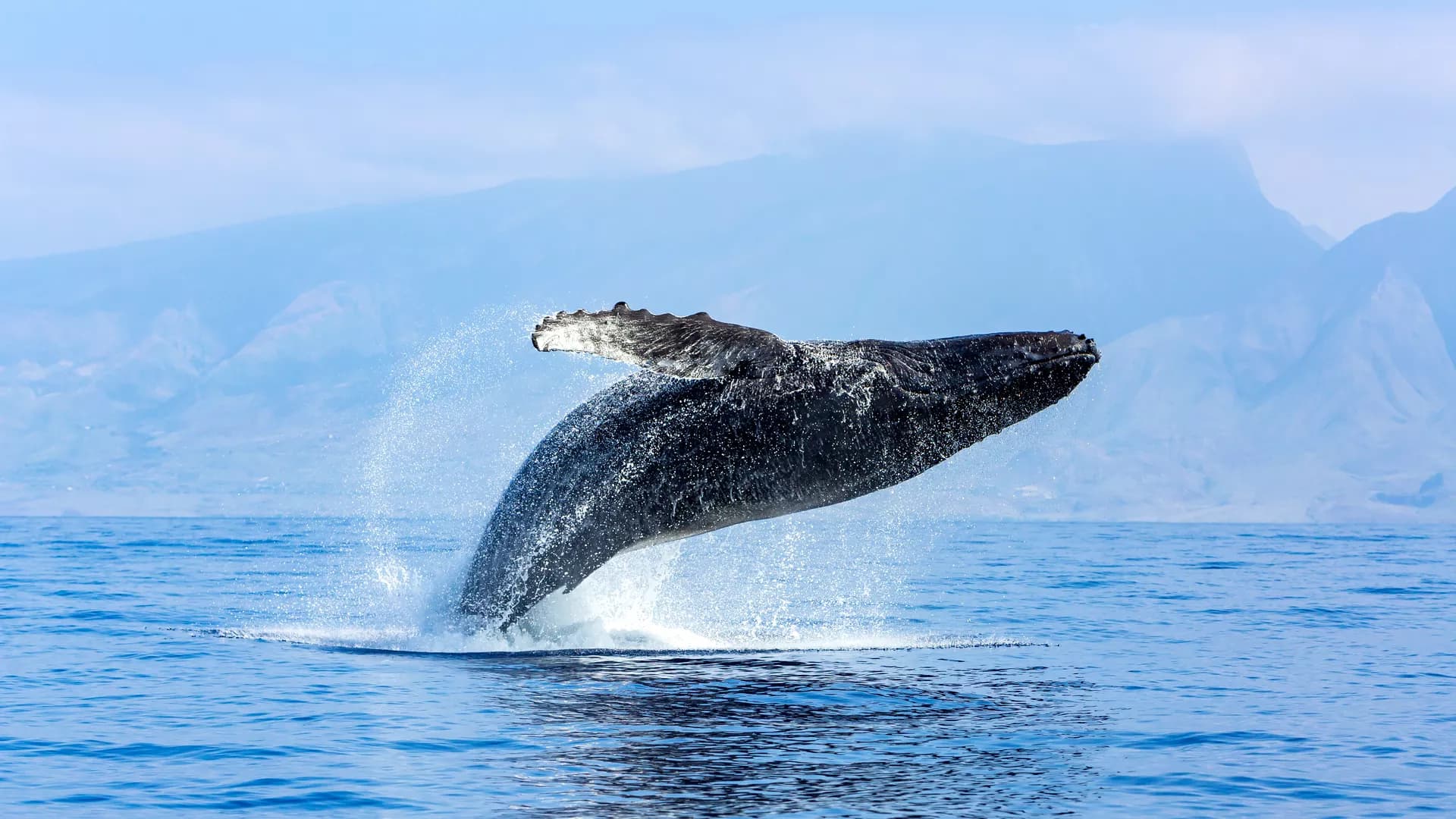
Coastal communities worldwide face accelerating risks from sea-level rise and intensifying storms, yet many lack the capacity and framework needed to adapt. ResilientWoodsHole (RWH), a private–public partnership in the low-lying scientific village of Woods Hole, Massachusetts, offers lessons learned and practical strategies for how small communities can meet this challenge. Bringing together thirteen partners, including Woods Hole Oceanographic Institution (WHOI), Marine Biological Laboratory (MBL), National Oceanic and Atmospheric Administration Northeast Fisheries Science Center (NOAA NEFSC), the Town of Falmouth, local organizations and businesses, and residents, RWH has advanced a phased approach that combines scientific modeling, regulatory assessment, adaptive planning, pilot projects, and robust community engagement. Through mapping flood pathways and evaluating risk at the community and property scale, assessing regulatory barriers, completing pilot projects, and creating engagement tools like a Climate Walking Trail and a 3D model, the initiative has transformed complex climate risks into shared understanding and actionable steps. Rooted in a small vulnerable community, RWH’s collaborative framework provides insights for other coastal communities seeking to pivot from vulnerability to resilient action.
Want to read more?
Check out the full article on the original site
Tagged with
#marine science
#climate monitoring
#climate change impact
#marine biodiversity
#sonar mapping
#citizen science
#marine life databases
#ResilientWoodsHole
#coastal resilience
#sea-level rise
#low-lying community
#intensifying storms
#private-public partnership
#Woods Hole
#scientific modeling
#adaptive planning
#community engagement
#regulatory assessment
#pilot projects
#risk assessment