China And Pakistan Propose 5-Point Peace Plan To Protect Shipping In Strait Of Hormuz
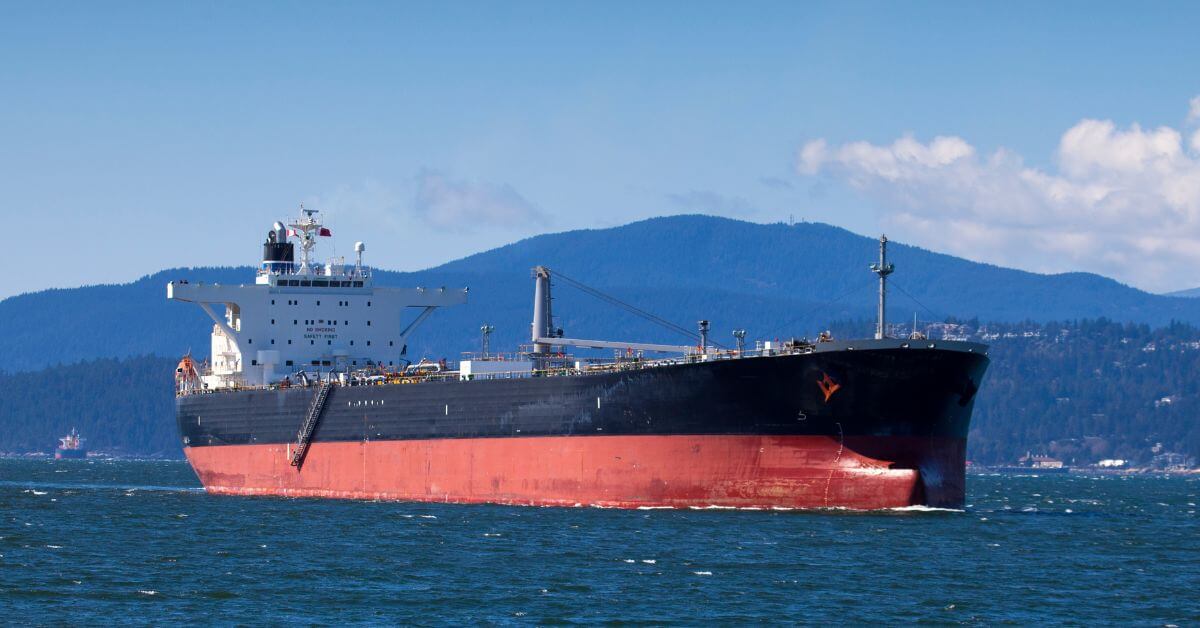
China and Pakistan have proposed a five-point plan to bring peace in the Middle East and ensure safe shipping through the Strait of Hormuz, a key route for global oil trade.
The proposal was shared after a meeting in Beijing on March 31, 2026, at a time when the ongoing conflict involving the United States, Iran and regional countries continues to affect global shipping and energy supply.
Pakistan’s foreign minister Ishaq Dar met China’s foreign minister Wang Yi for a one-day discussion focused on the situation in the Gulf and the Middle East.
China said the meeting was aimed at increasing coordination and making efforts to support peace in the region. While China has kept some distance from direct involvement, it has strong ties with Iran and is the largest buyer of Iranian oil.
It has also been in talks with Tehran to ensure safe passage for its oil tankers through the strait.
In a joint statement, both countries called for an immediate ceasefire and said humanitarian aid must be allowed into affected areas.
They said peace talks should start soon and that every country’s borders, independence, and safety, especially Iran and Gulf nations, should be respected.
They added that dialogue and diplomacy remain the only way to resolve the conflict and called on all sides to avoid the use or threat of force during negotiations.
The proposal also called for protection of civilians and non-military targets. It urged all parties to follow international humanitarian law and stop attacks on important infrastructure such as energy facilities, desalination plants, power systems and peaceful nuclear sites.
A key focus of the plan was the safety of shipping routes. Both countries said ships and crew members in the Strait of Hormuz must be protected and called for the early and safe movement of commercial vessels. They also asked for normal shipping traffic through the strait to be restored as soon as possible.
The plan further supported efforts under the United Nations and called for multilateral cooperation to reach a long-term peace agreement based on international law.
The Strait of Hormuz remains one of the most important shipping routes in the world, carrying nearly 20% of global oil trade.
The ongoing conflict has raised risks for vessels in the region, leading to delays, higher insurance costs and concerns over crew safety. Some ships have faced disruptions as tensions continue in nearby waters.
Pakistan has been trying to play a role in reducing tensions between the United States and Iran. Prime Minister Shehbaz Sharif and army chief Syed Asim Munir have been in contact with leaders including Donald Trump and Masoud Pezeshkian. Messages between the two sides have also been passed through Pakistani channels.
Pakistan has also hosted talks with foreign ministers from Saudi Arabia, Turkey and Egypt to find a regional solution, but the absence of the United States and Iran has limited progress.
At the same time, there are mixed signals on diplomacy, with the United States saying talks are going well, while Iran has said there are no direct negotiations.
Analysts say Pakistan is trying to strengthen its position as an important country in the region and maintain ties with both Western and Gulf partners, while also managing its relationship with Iran.
The country shares a 900 km border with Iran, and there are concerns that the conflict could spread into its Balochistan region, which already faces security issues.
Pakistan is also dependent on energy supplies from Gulf countries, and any disruption in the Strait of Hormuz could affect fuel availability and increase costs.
The country also has a large Shia population, and there are concerns that the conflict could lead to internal tensions. Protests have already taken place, with dozens reported killed after the US and Israeli strikes on Tehran.
Pakistan also has a defence agreement with Saudi Arabia, which could create further pressure if the conflict expands in the Gulf.
References: The Guardian, MFA China
Want to read more?
Check out the full article on the original site