Royal Navy Floats Off 6,300-Ton Frigate HMS Active, Powered By 32,000kW Engines
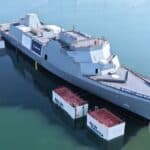
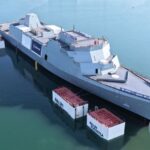
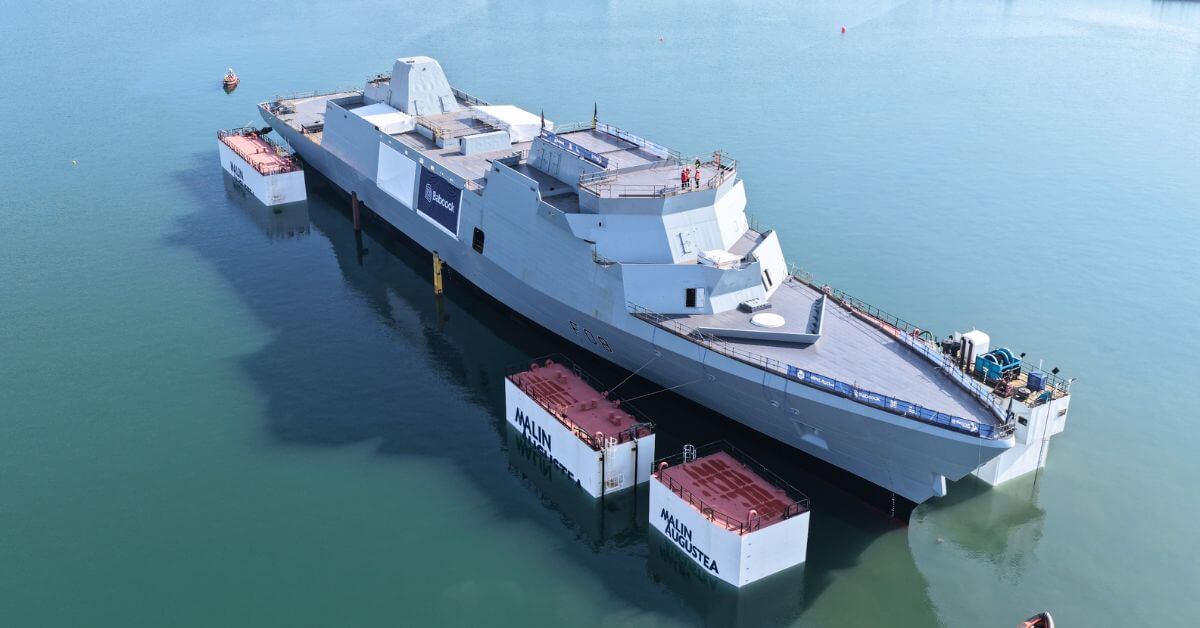
The vessel, which displaces more than 6,300 tonnes, was floated off with support from engineers of Defence Equipment & Support (DE&S) and the Royal Navy.
The float-off is used to move a ship into the water for the first time and shift it to the next stage of construction. Officials described it as a safe and efficient method for a ship of this size.
HMS Active had earlier been moved from Babcock International Group’s Rosyth shipyard to a deep-water location. A barge was submerged beneath the vessel, allowing it to enter the water.
The same Malin Augustea barge has also been used for HMS Venturer, the first Type 31 ship, and for vessels under the Type 26 programme.
This development comes after a major event in February, when HMS Active was rolled out of the Venturer Building Assembly Hall at Rosyth. On the same day, steel cutting began for HMS Bulldog, the fourth ship in the five-frigate series.
The ship will now go through further outfitting work before testing and commissioning.
The Type 31, also known as the Inspiration-class, is being built by Babcock under the UK’s National Shipbuilding Strategy. Each ship will be about 140 metres long and will displace more than 6,300 tonnes.
The frigates are designed to carry out missions such as interception, intelligence gathering, defence operations and humanitarian support.
Each vessel will be powered by four MTU 20V 8000 M71 engines, with each engine producing more than 8,000kW, giving a total power output of over 32,000kW.
All five ships are expected to enter service by the early 2030s and will form an important part of the Royal Navy’s surface fleet.
The programme is also supporting jobs across the UK. Around 2,500 skilled roles are linked to the project, including 1,250 jobs at Babcock’s Rosyth yard and another 1,250 across the supply chain.
Commodore Stephen Roberts, Senior Responsible Owner for the Type 31 programme, said HMS Active will support national security and serve as a strong asset for NATO. He added that the float-off shows the importance of having capable ships to protect the country.
Reference: UK MOD
Want to read more?
Check out the full article on the original site