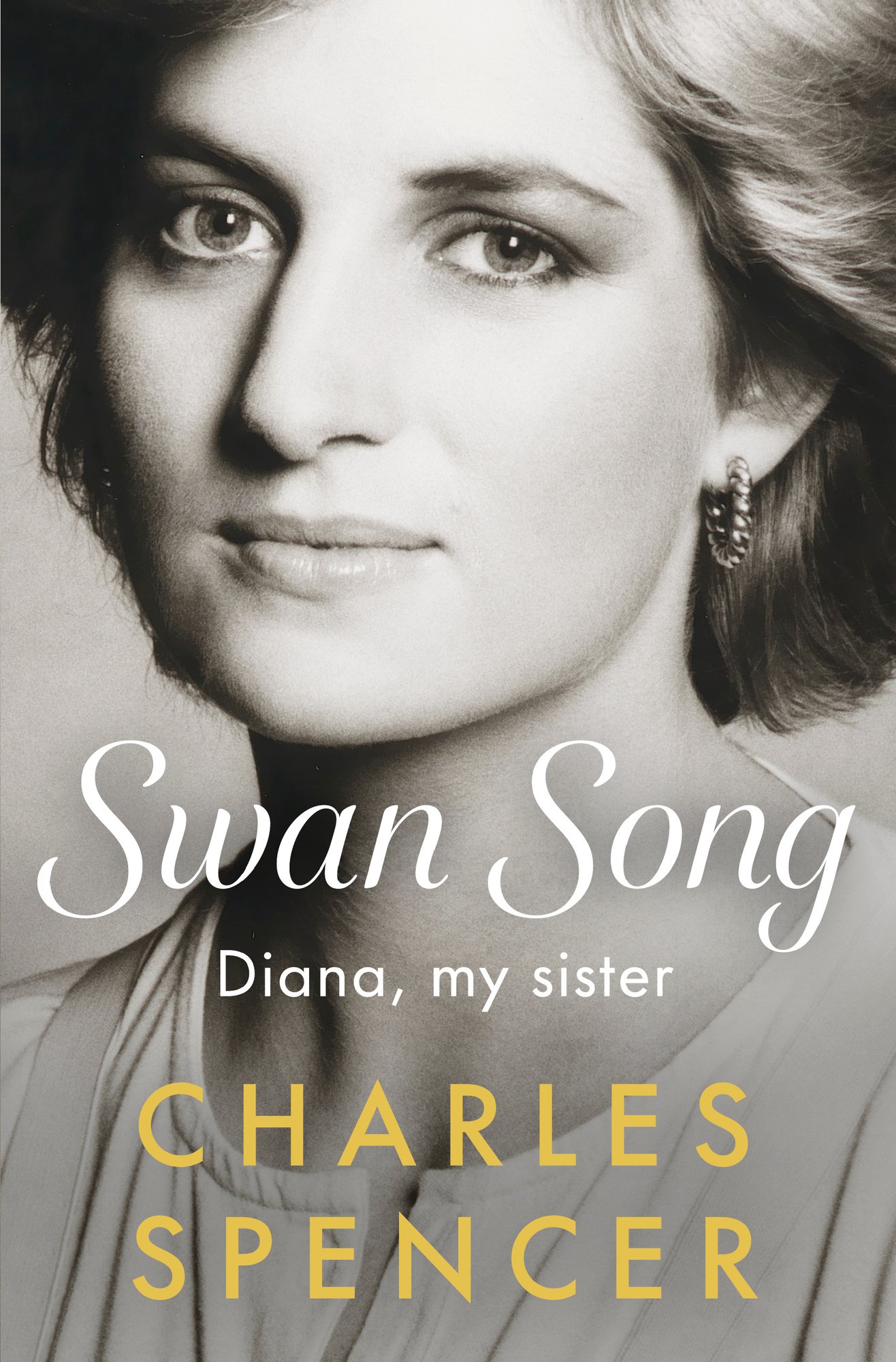
There is a particular kind of quiet that follows a revelation, a stillness that feels heavier than noise. Earl Spencer's new book, *Swan Song: Diana, My Sister*, arrives with exactly that weight, carrying a brother's attempt to reclaim a narrative that has long belonged to everyone but those who loved her. The palace's unprecedented pushback, the suggestion that his account of Diana's profound despair is somehow a distortion, feels less like a correction and more like a reflex. When you grow up inside an institution that thrives on controlled imagery, the truth becomes a political liability. Spencer's reflection, his insistence that he was essentially being told he had lied, speaks to something we all recognise: the exhausting gap between what is real and what is expected of us.
This is not a story about a royal feud, though it wears that mask. It is about the sovereignty of personal memory in a world desperate to manage it. We see this same tension play out in the way we discuss Diana’s enduring impulse toward reinvention, a woman who understood that self-creation is a survival strategy, not a vanity. For our readers, there is a practical truth here: your story is yours, and no institution, no family, no legacy can fully own it. Spencer is not asking for our sympathy; he is asking for our belief. And in an era where even our own memories feel fragile, holding onto the validity of our experience is an act of quiet resistance. It is the same gravitational pull we sense in King Charles’ lingering hope, that stubborn human desire to hold on, even when the world has moved on.
What makes this so compelling is not the drama, but the restraint. This is not a tell-all laced with bitterness; it is a portrait painted in soft, deliberate strokes. He is navigating the line between brother and historian, between grief and duty. We would tell any reader asking about this that the most radical thing you can do is trust your own perception. The palace's reaction tells us more about the machinery of legacy than it does about Diana's truth. It reminds us of that moment when a style choice met with quiet disapproval, a singular moment where personal expression clashed with expectation. That tension, the silent push and pull between the individual and the institution, is the thread that runs through all of this.
The specific detail to watch is not what Spencer says, but what remains unsaid in the palace's response. Their statement was not a denial; it was a deflection. That distinction matters. It is the difference between a lie and a silence, between being wrong and being inconvenient. For us, the takeaway is simple: we are not obligated to shrink our memories to fit someone else's narrative. Chiara's world has always been about owning your reflection. Spencer's book is an invitation to do exactly that, to look at a woman the world thought it knew and finally see her through the eyes of someone who loved her, not the institution that consumed her. Watch how the conversation shifts, not in what is said, but in who is deemed credible. That is where the real power lies.