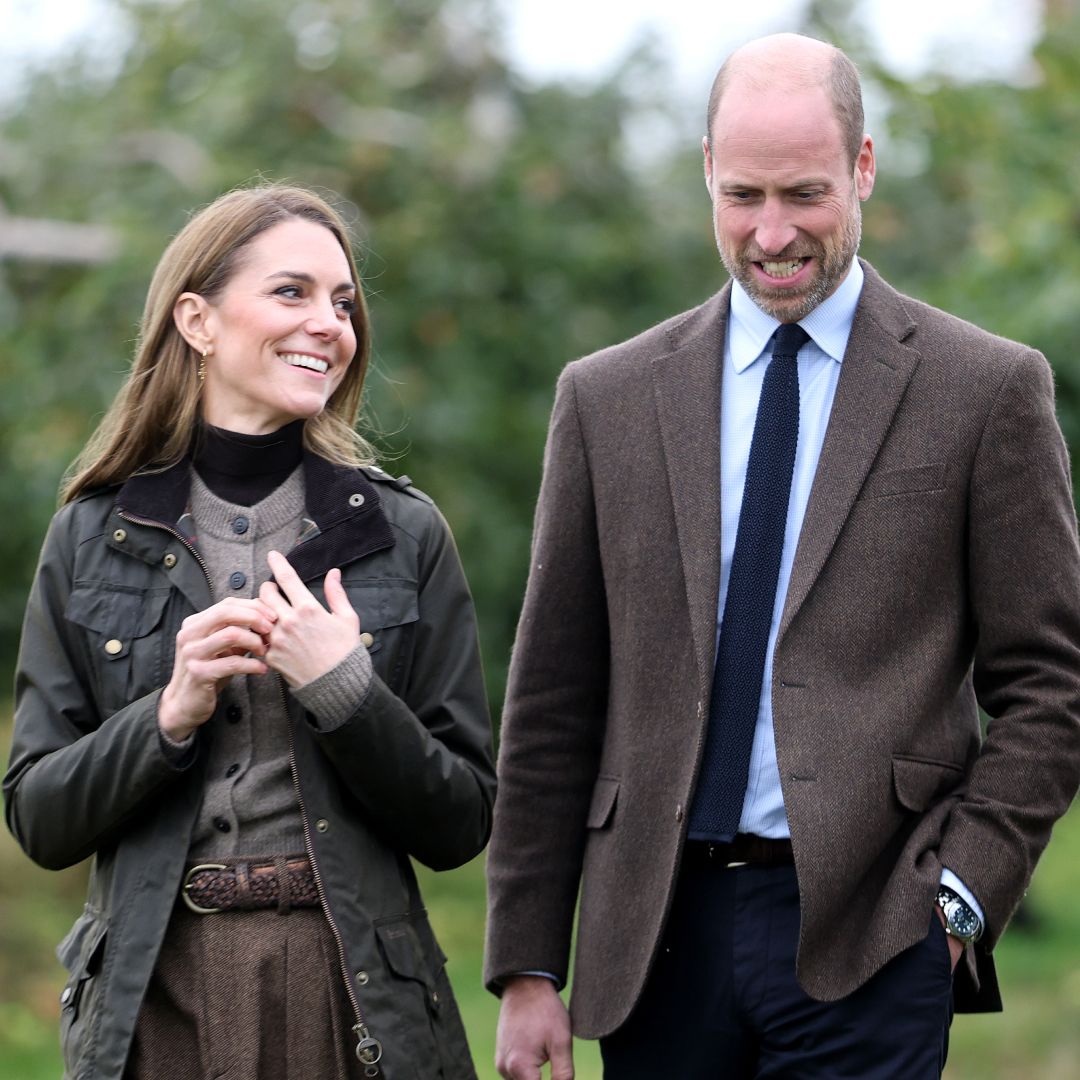
There is a particular kind of power in knowing exactly what you are doing and feeling no need to announce it. That is the quiet authority at the heart of the recent reporting on the Prince and Princess of Wales' approach to raising their children. The piece observes that the decision to prioritize school runs and soccer games over royal duties is not an abdication of responsibility, but rather a calculated strategy. It is a long game, played with the same deliberate restraint that defines the modern monarchy's most successful reinventions. This is not an absence of duty; it is a redefinition of it, one that places the foundation of the future king's confidence in the ordinary rhythms of childhood.
This intentionality resonates with a theme we have long admired: the strength found in knowing when to step back. It is a sentiment echoed in our reflection on The Quiet Confidence of Knowing When to Walk Away, where the act of leaving is framed not as a loss, but as a profound assertion of self. Similarly, this royal approach is a kind of walking away from the traditional pressures of expectation. It is a statement that a title does not have to be a cage, and that true confidence is built in a secure home, not a gilded one. The palace walls have historically held a certain cold formality, but here we see a deliberate choice to let the emotional architecture of the family take precedence over the structural demands of the institution.
What makes this so compelling is the absence of apology. There is no defensiveness in this path, only a calm certainty. It is the same assuredness we see in those who have redefined their own narratives, like the figures drawn to reinvention in the story of Diana, Drawn to Reinvention, Received a Proposal from Across the Atlantic. That restless energy, that pull toward a different life, is present here, but it is channeled with a steadier hand. Where others might have been consumed by the weight of expectation, William and Catherine have chosen to metabolize it, transforming duty from a burden into a quiet, personal choice. For our readers, the takeaway is not about royalty, but about the agency we all hold. We do not have to accept the roles handed to us, nor the timeline others expect us to keep. We can choose the foundation first, trusting that the public persona, the career, the life, will be more stable because of it.
The most striking detail is the long arc of this strategy. Thirteen years is not a whim; it is a thesis. The question that lingers is not whether this was the right choice, but what happens as the children grow and the world's demands inevitably grow louder. Will this early investment in normalcy pay off in a resilience that can withstand the throne? That is the quiet hope we watch unfold. For now, the strategy is clear: build the person first, and the monarch will follow. And in that, there is a lesson for all of us about the power of a deliberate, emotionally intelligent foundation. The world will always offer its pressures, but the ground we stand on is our own choosing.