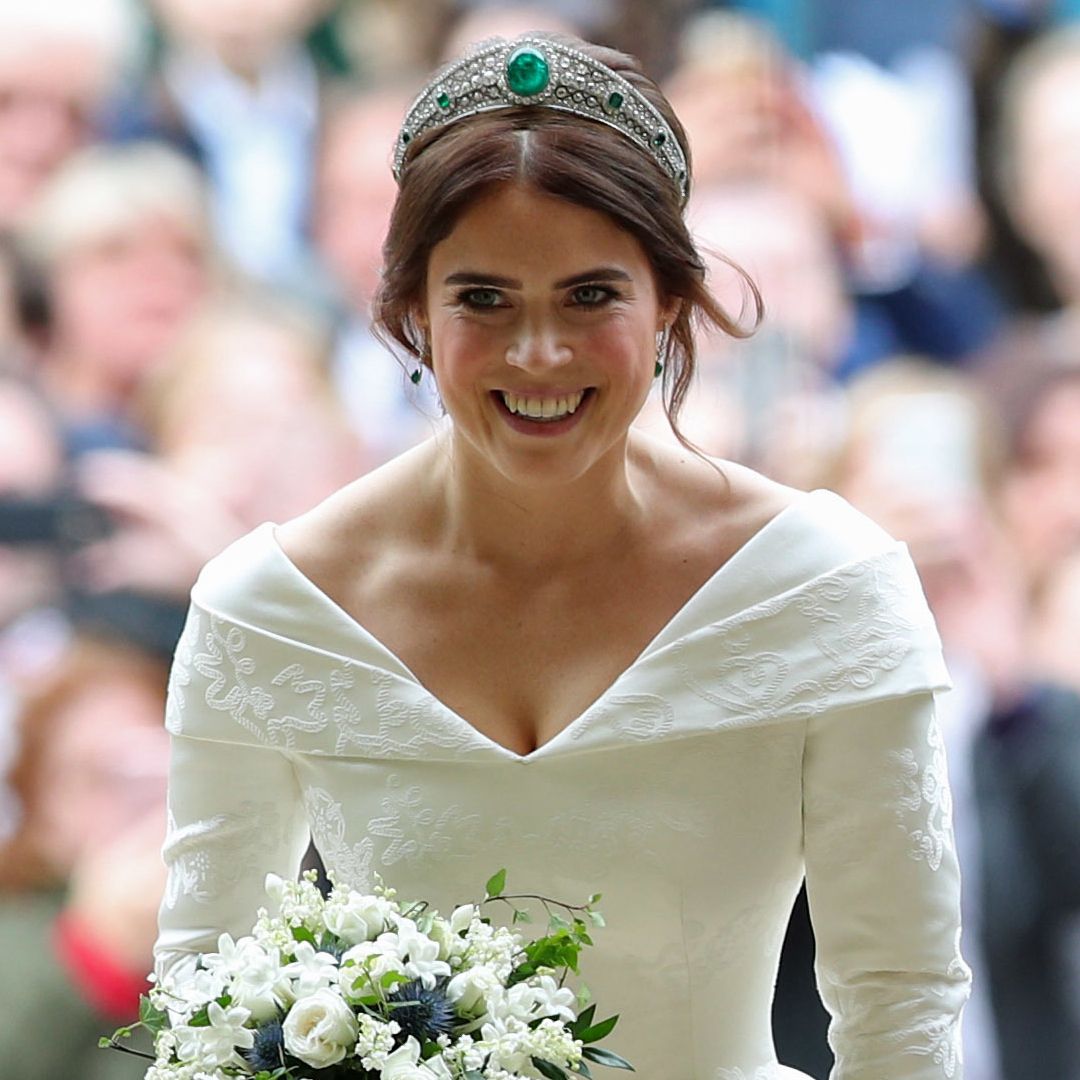
There is a particular kind of power in choosing what you carry forward. The Royal Family's wedding tiaras, as ranked by antique jewelry expert Justin Daughters, are often discussed in terms of carats and provenance, but the real weight is quieter. These are not just stones set in metal; they are anchors of identity, passed down with the expectation that the next woman will wear them with a sense of self rather than being diminished by them. That distinction is everything. It is the difference between performing a role and embodying a presence. When we look at these priceless heirlooms, we are not merely witnessing wealth; we are witnessing a lesson in how to hold history without being buried by it.
This is where the conversation moves beyond the royal vault and into something more intimate for the rest of us. We do not have tiaras, but we all have heirlooms of a different kind: the quiet expectations of others, the legacy of our own choices, and the pressure to look like we belong in rooms we are still learning to occupy. The way a bride tilts her head to balance a heavy crown is the same physical negotiation we make daily with our own ambitions. It requires a soft confidence, a willingness to say, "I am comfortable with who I am, and you can be too." That is precisely the energy we admire in those who navigate legacy with grace. It is also why The Quiet Confidence of Knowing When to Walk Away resonates so deeply; true confidence is often less about holding on and more about recognizing when the weight is no longer yours to bear.
What strikes me most about the ranking is the restraint it implies. The most expensive tiara is not necessarily the loudest, and the expert's eye values a kind of silent authority. That is a lesson in modern femininity. We are so often told to be bold, to demand space, to make noise. But there is a distinct power in the understated, in letting the object speak while you remain the calm center of the room. It is the same principle behind A Quiet Tribute: Kate Honors Queen Mother's Legacy of Grace, where the gesture is not about the crown itself but the resilience it represents. When you understand that your worth is not tied to the volume of your presence, you stop performing and start living with intention. The tiara becomes a tool for self-expression, not a costume for approval.
So, what do we tell a reader who asks if these objects matter? We tell them that they do, but not for the reasons they think. The value is not in the appraisal; it is in the emotional contract made between the giver and the wearer. A tiara is a promise that you are part of something larger, but it is also a mirror, reflecting whether you have done the internal work to deserve the spotlight. The practical takeaway here is simple: you do not need a crown to command a room, but you do need to know the weight of your own presence. Watch how the royal women wear their history, not as armor, but as a second skin. The open question is whether we, in our own lives, can learn to wear our pasts with the same ease, or if we will continue to let the weight of expectation dictate our posture. That is the detail to watch, not the next gala, but the quiet shift in how we carry ourselves when no one is looking.