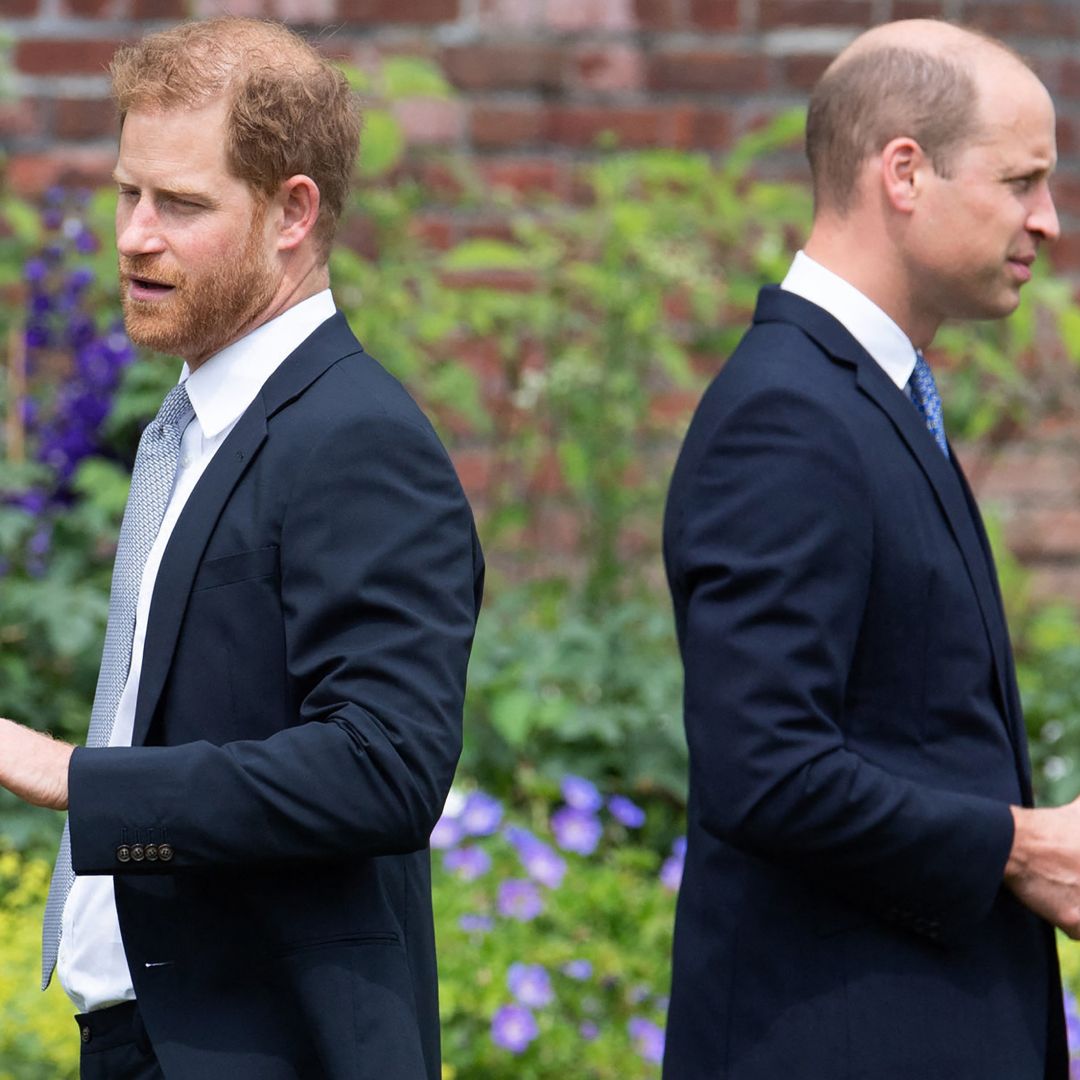
There is a particular stillness that settles over a family when the distance between them becomes a matter of public record. The recent meeting between Prince Harry's children and their grandfather, King Charles, was framed as a moment of warmth, a first step across four years of silence. And yet, the source is clear: there has been "no movement" between the brothers. It is a fragile bridge, one that holds weight but does not yet connect. We are reminded that proximity is not the same as repair, and that presence, however gracious, does not erase the quiet, unresolved space between two men who once shared a childhood.
This is where we find the tension that feels so familiar to anyone who has navigated a fractured bond. We watch the reunion and want it to mean more than it does, projecting our own hopes onto a single photograph. But the brothers' distance is not a failure of effort; it is a testament to the complexity of self-preservation. In our own lives, we often mistake a polite gathering for a breakthrough, only to realise that the real work happens in the unglamorous, unshared moments. This story is not about a royal feud; it is about the quiet, unyielding reality that some bridges cannot be rebuilt simply because a date on the calendar suggests they should be. It echoes the sentiment we explored in The Quiet Confidence of Knowing When to Walk Away, where a single, honest sentence carried more weight than any forced reconciliation. There is power in acknowledging that walking away, or simply staying away, can be its own form of integrity.
For our readers, the takeaway is not about the monarchy. It is about the permission to let distance exist without shame. We are so often told that family is everything, that forgiveness is the only path forward, but that narrative ignores the nuance of self-respect. What if the absence of movement is not a failure, but a conscious choice? What if the brothers are not frozen in conflict, but simply living separate lives, unburdened by the need to perform unity for the sake of optics? This is the quiet authority of knowing when a relationship has served its purpose, a theme that also surfaces in Prince Harry Reflects on a Joyful Return to British Soil, where a sense of personal peace comes not from mending every tear, but from finding joy in one's own footing. And there is something deeply intentional about the way the King's household seems to operate, a resourcefulness we noted in The Sovereign's Quiet Ritual of Resourceful Royal Soaks, where nothing is wasted, not even the remnants of a ritual. Perhaps that is the lesson here: not every relationship is meant to be salvaged; some are meant to be observed from a distance, with a quiet respect for what was, not a desperate grasp at what could be.
The question we are left with is not whether the brothers will reconcile, but whether we can hold space for a version of family that is not neatly tied in a bow. The concrete detail to watch is not a future summit or a joint appearance, but the simple, unspoken grace of a grandfather meeting his grandchildren without the weight of a sibling's approval hanging over the visit. That is the real movement, the one that happens internally, away from the cameras. It is a reminder that healing does not always announce itself. Sometimes, it is just the quiet decision to stand still, to let the distance be, and to trust that your own peace does not depend on closing the gap. That is the confidence we can all carry into our own lives, royal or not.