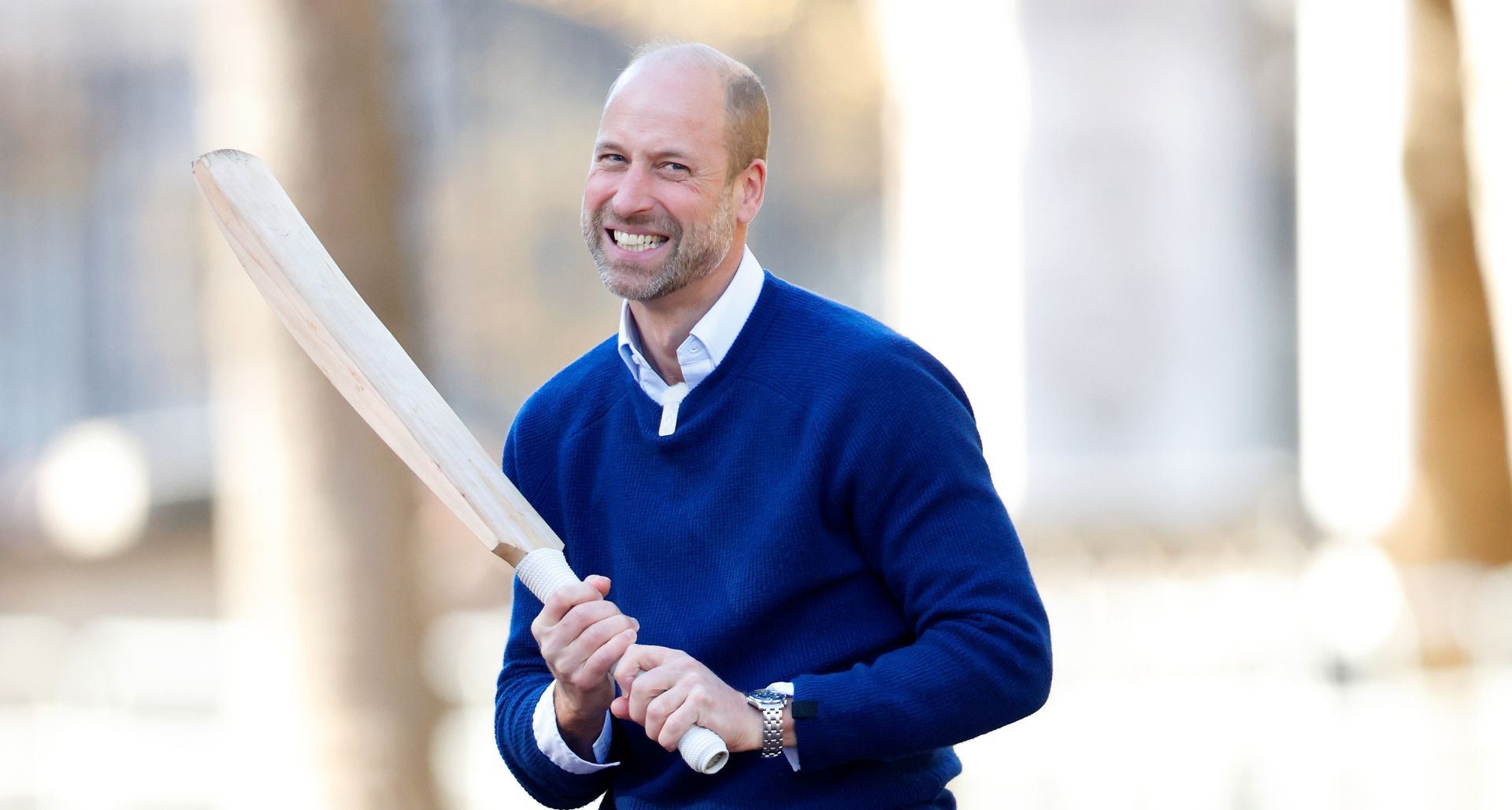
There is something quietly radical about a future king who does not wait for the crown to act. When Prince William turned The Mall into a makeshift cricket pitch last October, joining former England and Indian cricketing greats for a friendly match ahead of the Earthshot Prize's arrival in Mumbai, he demonstrated a principle too often forgotten in positions of inherited power: presence over privilege. Body language expert Darren Stanton observed that William "likes to get his hands dirty and wants to get stuck in," noting that the Prince of Wales "never puts himself above anybody else." This is not performative humility; it is a deliberate choice to meet people on their level, whether that means lowering his height to establish rapport with fans or tensing his jaw in genuine concentration over a game. He could have watched from any balcony. He chose the pitch. For our readers, the lesson is both simple and demanding: authority is not something you wait to receive. It is something you build by showing up, fully, without holding yourself apart. This story echoes a theme we have traced elsewhere in our coverage, particularly in A Steady Presence When William Needed Her Most and The Quiet Anchor Inside the Waleses' Unravelling World, where the quiet, grounded figures in his life have modelled the same refusal to sit on the sidelines.
The cricket match on October 13 was never really about cricket. It was a public display of a private philosophy: that how you engage with the world matters more than the title you carry into it. Stanton's analysis of William's body language, the fixed eyes, the tensing jawbone and cheekbone, reveals a man who treats a pick-up game with the same focus he would bring to a state event. He is "extremely focused and concentrating on what's going on in front of him," not because the match carries geopolitical weight, but because that is how he moves through life. He does not rest on his laurels as a future king. He stops for selfies, chats about Aston Villa, and shakes hands with tourists who came to photograph a palace and left with a memory of its inhabitant. In an era where distance is often mistaken for dignity, William offers a different model: approachability as a form of strength. His willingness to interact "on their level" reframes what leadership looks like when it is rooted in curiosity rather than ceremony. We see this same thread of intentional connection in A Quiet Royal Wish for a Princess Pen Pal, where gestures of warmth are shown to carry quiet weight.
What sets this moment apart is its naturalness. The Prince of Wales did not need to command The Mall into a cricket pitch; he could have hosted a formal reception and called it engagement. Instead, he chose an act that required nothing from anyone except their participation. He made himself accessible, not because the cameras were watching, but because that is the kind of leader he intends to become. For us, the takeaway is specific: leadership that waits for permission is not leadership at all. William's example asks us to examine where we hold ourselves back, where we stand "on the sidelines" out of habit or deference, and what would change if we simply stepped forward. The question he leaves us with is not about royalty. It is about our own willingness to get our hands dirty, and whether we are ready to do it before anyone hands us the crown.