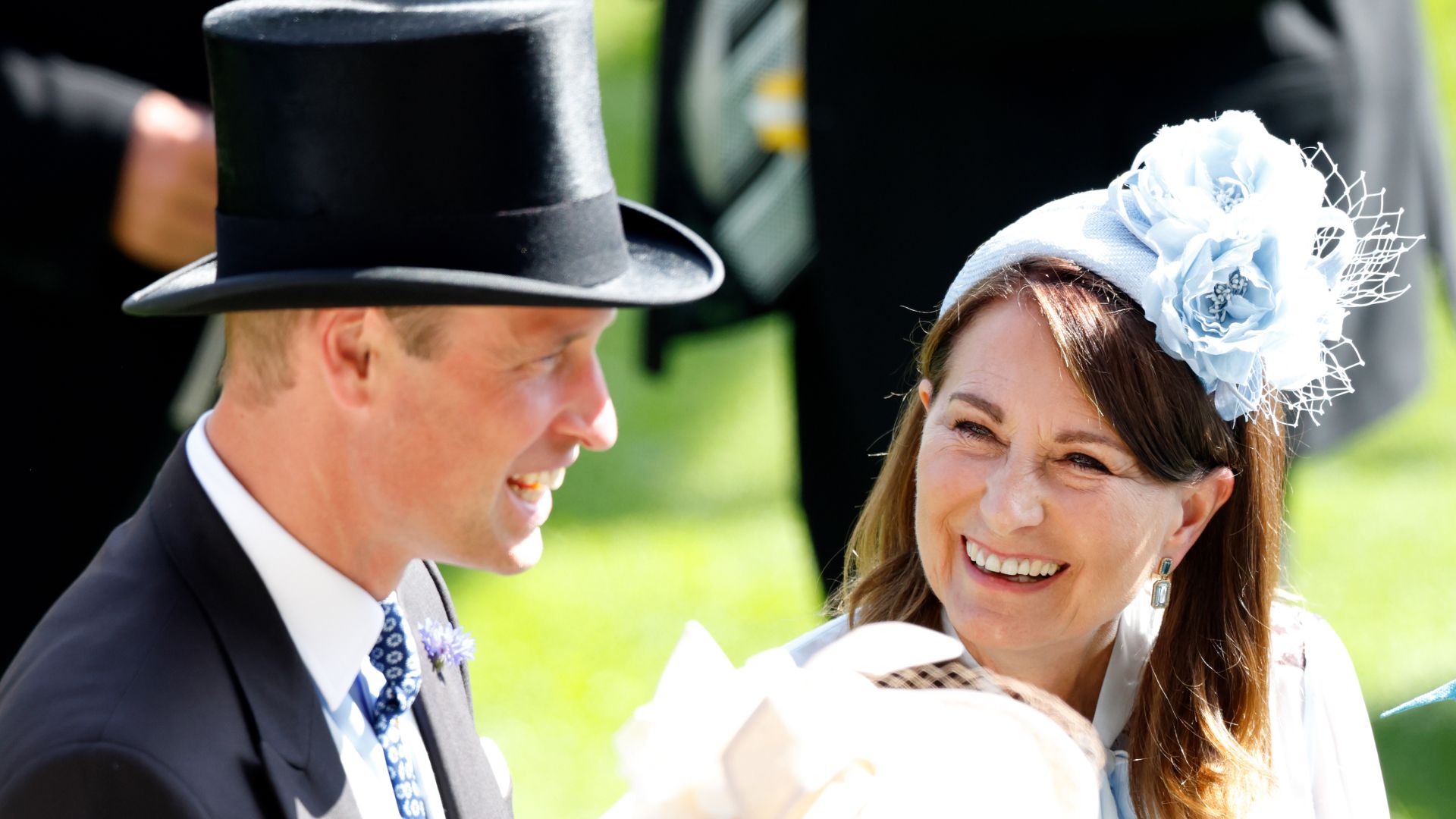
There is something profoundly moving about a woman who moves through crisis not with noise, but with presence. Carole Middleton's steady hand during Princess Kate's cancer battle reveals a truth we often forget: that quiet strength, wielded without fanfare, is the most grounding force of all. While the world watched Buckingham Palace hold its breath, Carole simply showed up, cooking, driving the school run, sitting with William at the local pub when the weight of his wife's illness and his father's diagnosis threatened to collapse the ground beneath him. This is not the stuff of palace intrigue; it is the texture of real life, and it reframes what we understand about support within that gilded world.
Royal author Robert Jobson described her as "as solid as a rock," and Ingrid Seward noted she is "unflappable", a woman who does not ask what she can do but simply gets on with it. That proactivity, that refusal to wait for permission to be useful, is a quiet form of leadership. It echoes a theme we explored in The Quiet Anchor Inside the Waleses' Unravelling World, where we considered how one person's steady presence can hold an entire family together when everything else feels fragile. Carole Middleton is that anchor, and her role reminds us that the most valuable people in any crisis are often the ones who never seek the spotlight. She did not need a title to be the queen her daughter needed; she simply offered a wise head and a willingness to sit in the discomfort alongside him.
This story also invites us to reconsider the archetype of maternal care. Carole is not the soft, hovering grandmother of royal caricature. She is practical, determined, and emotionally attuned. When she took William to the pub, that distinctly un-royal gesture, she gave him something the institution could not: a space to speak freely, without protocol, without performance. It is a small but significant detail, one that signals a different kind of intimacy. It also draws a quiet parallel to A quiet ritual rewritten into the night between a queen and her king, where we saw how private rituals can sustain public figures through unspoken trials. Carole's pub visits are her own version of that ritual, unremarkable to the outside eye, yet essential to the man who needed them.
What lingers after reading this account is not the drama of the diagnosis, but the grace of the response. Carole Middleton may never hold a royal title, but as Jobson noted, she will be the Queen's mother. That role carries its own quiet authority. For our readers, the takeaway is deliberate and specific: the most powerful presence in a room is often the one that speaks least, does most, and leaves no room for doubt about whose side she is on. Watch how she continues to stand beside her daughter as Kate returns to public life, not as a figure in the background, but as the steady foundation upon which a future queen was built.