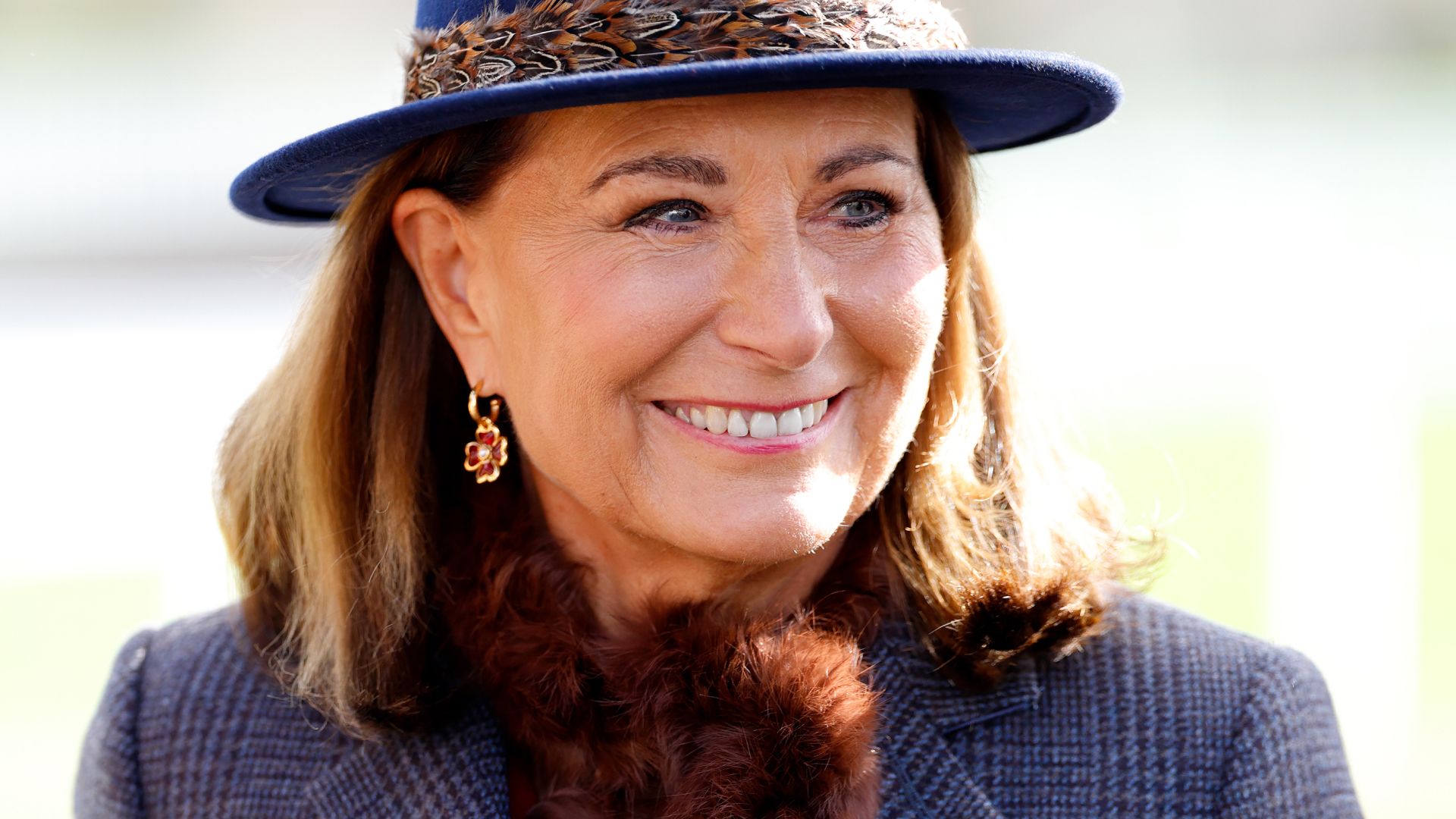
There is something profoundly moving about a woman who moves through crisis without fanfare, and Carole Middleton embodies this with a quiet competence that deserves more recognition than it receives. While much of the public gaze has rightly been on Princess Catherine's grace through her health battles, a subject we explored in our piece on Princess Catherine's quiet etiquette reveals the power of refined composure, it is the steady hand behind the scenes that often makes such composure possible. Carole Middleton does not ask what she can do; she simply acts. This is not performative support or the kind of involvement that seeks acknowledgment. It is the quiet, unshakeable presence of a mother who understands that true strength is found in the mundane: the school run, the freezer stocked with cheesy pasta, the unspoken assurance that someone else is holding the wheel so that you can rest.
What strikes us most is the practicality woven into her care. Royal author Ingrid Seward describes Carole as "unflappable" and "proactive," noting that when Prince William returned to royal duties after Catherine's diagnosis, Carole was there filling the freezer with the children's favourite foods and managing the daily rhythms of school and home. This is not glamorous work. It is the invisible labour that sustains a family through crisis, and it reveals something essential about the kind of woman Carole Middleton is. She raised three children of her own, Catherine, Pippa, and James, and that experience has given her a grounded confidence that does not waver under pressure. There is a lesson here for all of us, particularly those navigating our own seasons of difficulty: sometimes the most powerful thing you can do is show up, quietly, and handle what needs handling without waiting to be asked.
This kind of support does not diminish the strength of those receiving it; it amplifies it. Catherine was able to heal knowing her mother's hand was on the wheel, and that knowledge is a gift of profound emotional depth. It speaks to a relationship built not on obligation but on trust, and it reminds us that the people who hold us up are often the ones who never seek the spotlight. In our culture of relentless visibility, where every gesture is documented and every act of kindness measured for public consumption, Carole Middleton's approach feels almost radical in its restraint. She does not need to be seen to be valuable. Her worth is felt in the quiet spaces, the warm meal left in the kitchen, the school pickup handled without fuss, the steady presence that asks for nothing in return.
What remains to be seen is how this quiet competence will shape the next chapter of the Wales family's story. As Catherine gradually returns to public life and William continues to balance duty with fatherhood, Carole's role may shift, but her influence will not diminish. The children will remember a grandmother who showed up not with grand gestures but with consistency and care. That is a legacy worth more than any title.