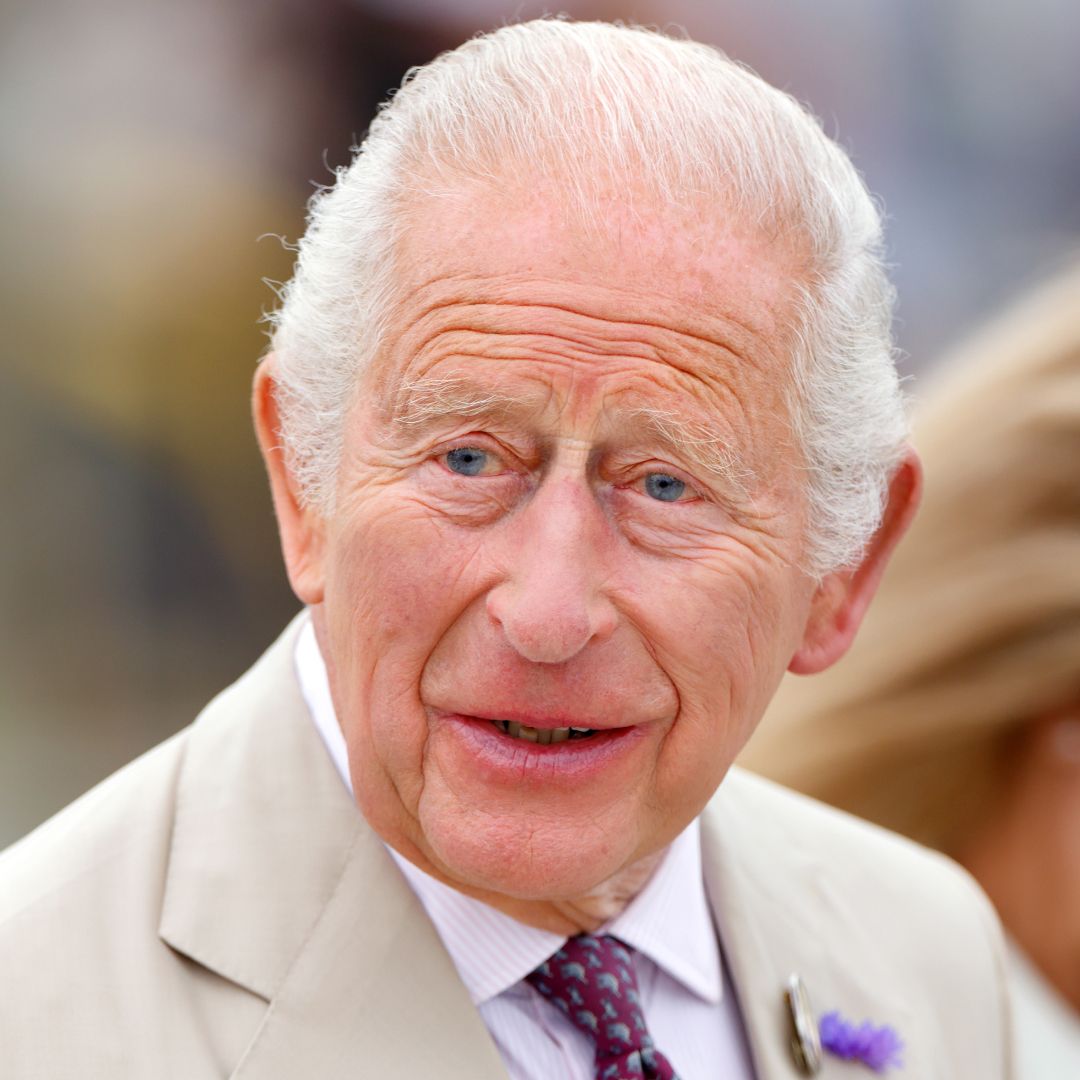
There is a particular kind of power found in the quiet insistence of a daily ritual. When a former royal chef, Visen Anenden, speaks of King Charles as being "extremely interested in what he eats," he is not merely describing a man with a refined palate. He is offering us a glimpse into a domain built on intention, where control is not about rigidity but about a deep, personal alignment with one's own standards. The King's "very particular" nature, as revealed in this piece, is less about the food itself and more about the focused presence required to maintain such a standard. It is a form of self-respect that translates into the wider world, a lesson in how we choose to move through our own lives. This resonates with the same spirit of mindful resourcefulness we explored in The Sovereign's Quiet Ritual of Resourceful Royal Soaks, where even a bath becomes an act of considered intention rather than mere habit.
We often mistake loud declarations for conviction, but there is a more compelling authority in the understated. The King's approach to organic cooking and sustainability is not a marketing campaign; it is a personal creed lived out in the most private of spaces: his own kitchen. This is where the gravity of the story lies for us. It challenges the modern impulse to perform our values for an audience. Instead, it suggests that true confidence comes from the private choices we make when no one is watching. For our readers, the takeaway is not to become more exacting in a way that creates friction, but to identify the areas in our lives where we can bring a similar, calming focus. What would it feel like to approach your morning routine or your creative work with the same "phenomenal" dedication that a chef brings to a King's table? It is a form of self-connection that prioritizes the feeling of the experience over the optics of it. This introspective pull is a thread we see woven through other narratives, such as the quiet longing explored in A Lingering Wish: Exploring King Charles’ Enduring Hope, a reminder that our private desires often shape our public lives more than we admit.
This story is not a lesson in domestic servitude; it is a study in personal sovereignty. The King's control is not about dominating a space, but about curating an environment that reflects his inner world. It is a form of self-expression that does not need to explain itself. This is the "founder-as-muse" energy applied to a life, where the product is a state of being. The practical question his example raises for us is direct: where are you giving your power away through carelessness? The King's "very particular" nature is a testament to the idea that what we permit, we endorse. By refusing to be casual about the details, he endorses his own comfort and values. The specific detail to watch is not the next menu, but how his commitment to these quiet rituals continues to influence broader conversations about sustainability. If a King can find his anchor in the simplicity of a well-sourced ingredient, then we, too, can find our footing in the small, deliberate choices that define our days. The true measure of this story is not in the grandeur of the palace, but in the focused calm of the man within it.