sustainability
78 stories filed under sustainability on Chiara Bransi. The newest of them: “The Quiet Luxury of Wearing What Already Exists”, “The Quiet Signal That a Garment Has Served Its Purpose”, and “The Quiet Contradiction of Secondhand Fashion Packaging”. There is a particular stillness in wearing something that already has a life. There is a quiet dignity in wearing a garment until it gives out completely, yet I find myself drawn to the question of whether letting go before that point is an even more refined practice. Who Chiara Bransi Is Chiara Bransi is a German-born lifestyle and fashion influencer, blogger, model, and entrepreneur. She rose to prominence by sharing… The list below is every sustainability story on Chiara Bransi, newest first.
The Quiet Luxury of Wearing What Already Exists
There is a particular stillness in wearing something that already has a life. Thrifted pieces carry memory, texture, and a quiet story that fast fashion could never replicate. The most sustainable wardrobe is not the newest, it is the one already hanging, waiting to be seen anew. This is not about scarcity; it is about discernment. Choosing what exists is a form of self-knowledge, a softer confidence.
The Quiet Signal That a Garment Has Served Its Purpose
There is a quiet dignity in wearing a garment until it gives out completely, yet I find myself drawn to the question of whether letting go before that point is an even more refined practice. A non-negotiable sign? When the fabric no longer holds its shape against your body with intention. When a piece begins to fray not at the seams, but at the soul of its presence. The Quiet Art of Asking explores this tension between attachment and release.
The Quiet Contradiction of Secondhand Fashion Packaging
There is a particular satisfaction in unwrapping a secondhand find, the quiet proof that style need not arrive in a crisp, new box. Yet that satisfaction dims when the package itself arrives wrapped in virgin plastic, a small contradiction in an otherwise thoughtful act. The irony is not lost on those of us trying to consume less. The packaging industry lags behind our intentions, but the conversation is shifting.

A Quiet Voice That Dares to Speak Its Own Truth
There is a particular power in the quiet ones. This submission understands that the loudest statement is often the one spoken softly, without need for validation. It is an invitation to trust your own rhythm, to find confidence not in volume but in conviction. This is the essence of modern femininity, not performing strength, but embodying it. For those exploring how intention shapes expression, our piece on secondhand's quiet intention offers a complementary perspective.
The quiet art of crafting fabric from the banana plant
There is something deeply poetic about turning the banana plant into cloth. The process feels ancient, intentional, a quiet craft that asks for patience rather than speed. This video captures that transformation with the reverence it deserves. It reminds me of the tension we explored in *"Can Sustainable Style Keep Up With Clubwear's Daring Edge"*, the slow work of material honesty against fashion's demand for immediacy. Here, the fabric itself becomes the story.
The quiet art of dressing with intention and longevity
Dressing with intention is not about trends; it is about knowing what belongs in your life. This quiet art of longevity asks us to choose pieces that hold meaning, that age gracefully alongside us. It is a practice of restraint and self-awareness, where each garment earns its place. For those drawn to this philosophy, *Alaïa's Winter Lines Draw Power from Shadow and Form* offers a beautiful study in sculptural simplicity.
A Quiet Space to Reflect on the Art of Sustainable Dressing
There is something quietly radical about choosing clothes that last. This space exists not for guilt or perfection, but for slowing down and considering what we wear as an extension of intentional living. Sustainable dressing is less about rules and more about returning to what feels right, fabric that breathes, pieces that hold memory. For more on speaking your own truth with quiet conviction, *The Quiet Art of Speaking Your Truth* offers a natural continuation of this conversation. Here, we simply reflect together.
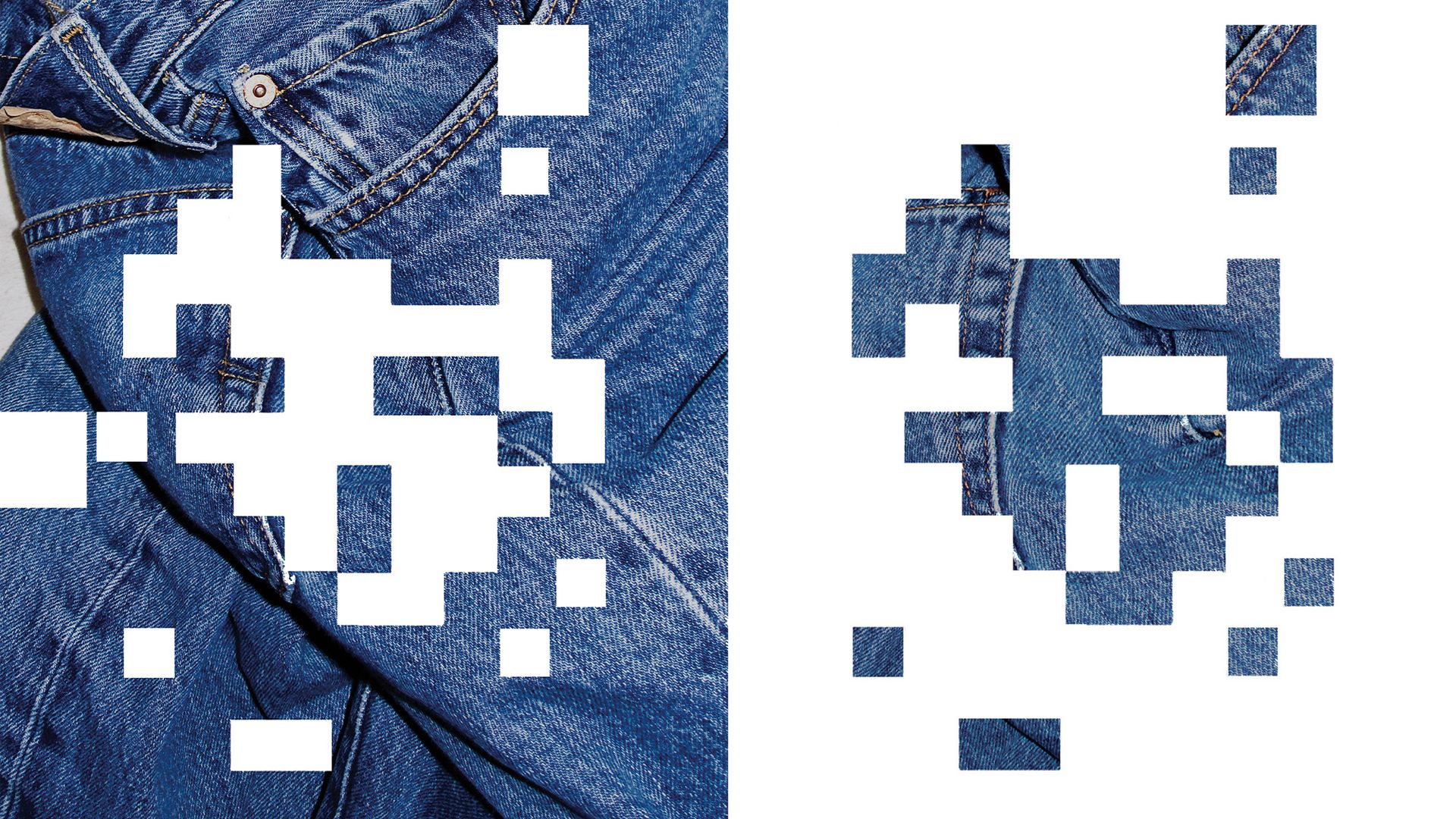
The Quiet Hands That Shape Los Angeles Denim
There is a quiet reverence in the hands that shape Los Angeles denim. They work in the background, stitching structure into fabric with an assured, unhurried precision. This is not about noise or trend cycles; it is about craft that speaks through texture and fit. The city's denim legacy is built on this deliberate, feminine strength. For a deeper look at how subtle hands guide enduring style, see *Twenty years of Pat McGrath's quiet alchemy in motion*.
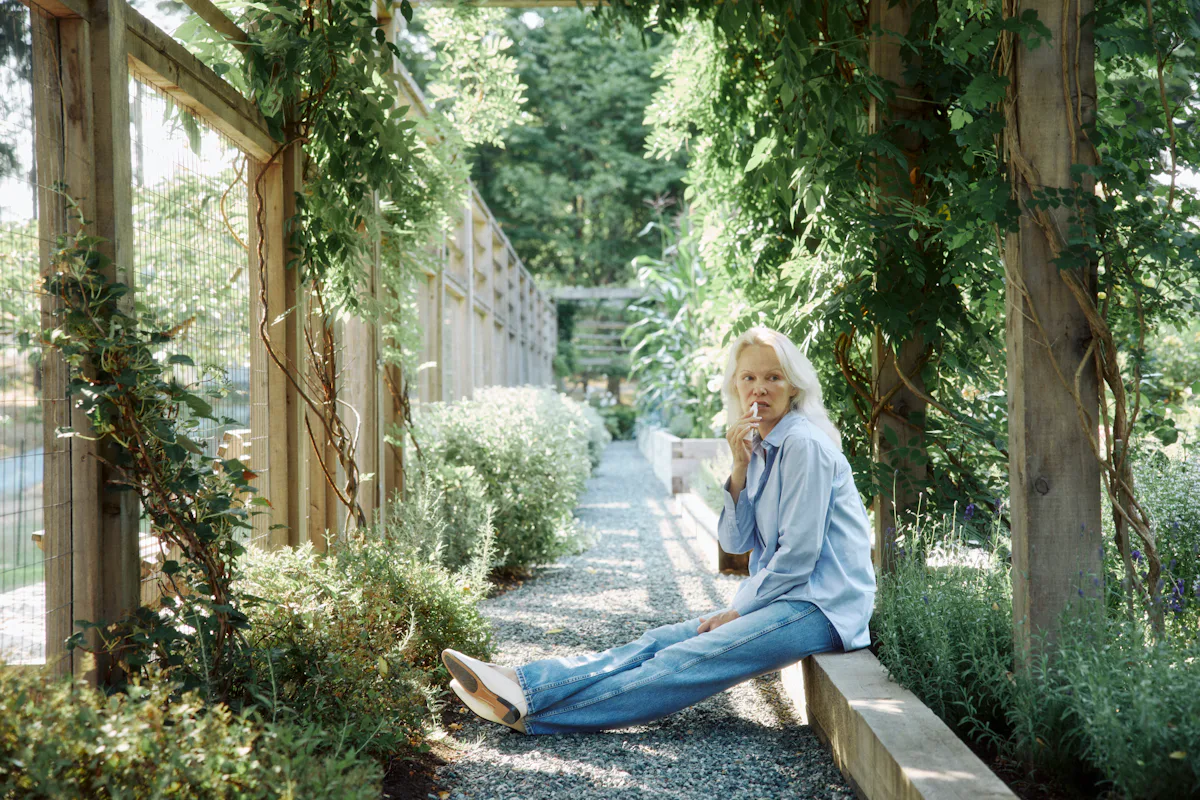
Pamela Anderson's New Balm Finds Its Soul in the Garden
There is something quietly radical about a lip balm named after a fruit foraged from the earth. Pamela Anderson speaks to TZR about her new Sonsie Basic Balm in Wild Groundcherry, a flavor that finds its soul in the garden rather than a lab. It feels intentional, feminine, and grounded. For those drawn to the quiet power of *The $29 Dry Gloss That Gave Dakota Johnson Liquid '90s Hair*, this is another chapter in that same refined story.

In Uganda, Quiet Craftsmanship Speaks Through Barkcloth and Moringa
In Uganda, a quiet kind of luxury is being shaped not by noise, but by material and memory. Barkcloth and moringa are the protagonists here, offering a slower, more intentional path through fashion and beauty. There is something deeply grounding about craftsmanship that refuses to hurry. It aligns beautifully with the sentiment explored in *AOC quietly reframes slow fashion as an act of integrity*. Both stories remind us that true refinement is never loud, it is simply felt.
A Quiet Inquiry Into Sustainable Fashion Careers
A quiet inquiry, honestly framed. One person asking whether the industry actually needs what they want to build. There is something refreshing in that restraint, no promises, no urgency, just a pause before action. The questions themselves feel intentional: where do you look, what frustrates you, what would keep you coming back. It reminds me of *Beyond the Label: How to Trace a Garment's True Cost*, the same quiet insistence on looking deeper before committing. Sometimes the most useful answer is no.
The Quiet Art of Letting Go: Swapping Style as Self-Renewal
There is something quietly radical about walking into a room with a bag of clothes you no longer wear and leaving with pieces that feel like yours. This post understands that. The author sees clothing swaps not as a compromise but as a quiet act of renewal, for style, for community, for the self. It is sustainability without the performance. For those drawn to the emotional weight of what we wear, *A Quiet Inquiry Into Sustainable Fashion Careers* offers another way to follow that thread.
The Quiet Power of Your Everyday Style Choices
There's a quiet authority in how we choose what we wear, and your project, THREAD, captures that beautifully. I appreciate that you're not pushing a narrative, just inviting honest reflection on what truly guides us. It's refreshing to see fashion approached with this kind of intentionality, where personal preference meets broader impact. Your survey feels like a gentle nudge toward something meaningful, not a lecture.

The Quiet Shift in How We Define Fashion's Future
Fashion's future is not a spectacle. It is a quiet recalibration, a slow return to intention over noise. This piece from martianocelot captures that shift with the clarity it deserves, no urgency, no hype. We are moving toward discernment, toward pieces that hold meaning beyond a season. For those seeking to navigate this with precision, our earlier piece on decoding sustainability claims offers a companion lens. The direction is clear: less performance, more presence.
The Quiet Cost of Fast Fashion, Seen Through India's Hands
There is a quiet violence in choosing the cheapest fabric. We rarely ask whose hands made it possible. India's handloom tradition, rooted in Gandhi's Charka movement, has always offered another way, one that protects livelihoods and the earth rather than exploiting both. Sharada Ganesh's story reminds us that sustainability is not a trend. It is a return to intentional creation. For those drawn to careers in slow fashion, her conversation is worth listening to. *A Curated Guide to Organic Cotton Essentials* explores similar ground.
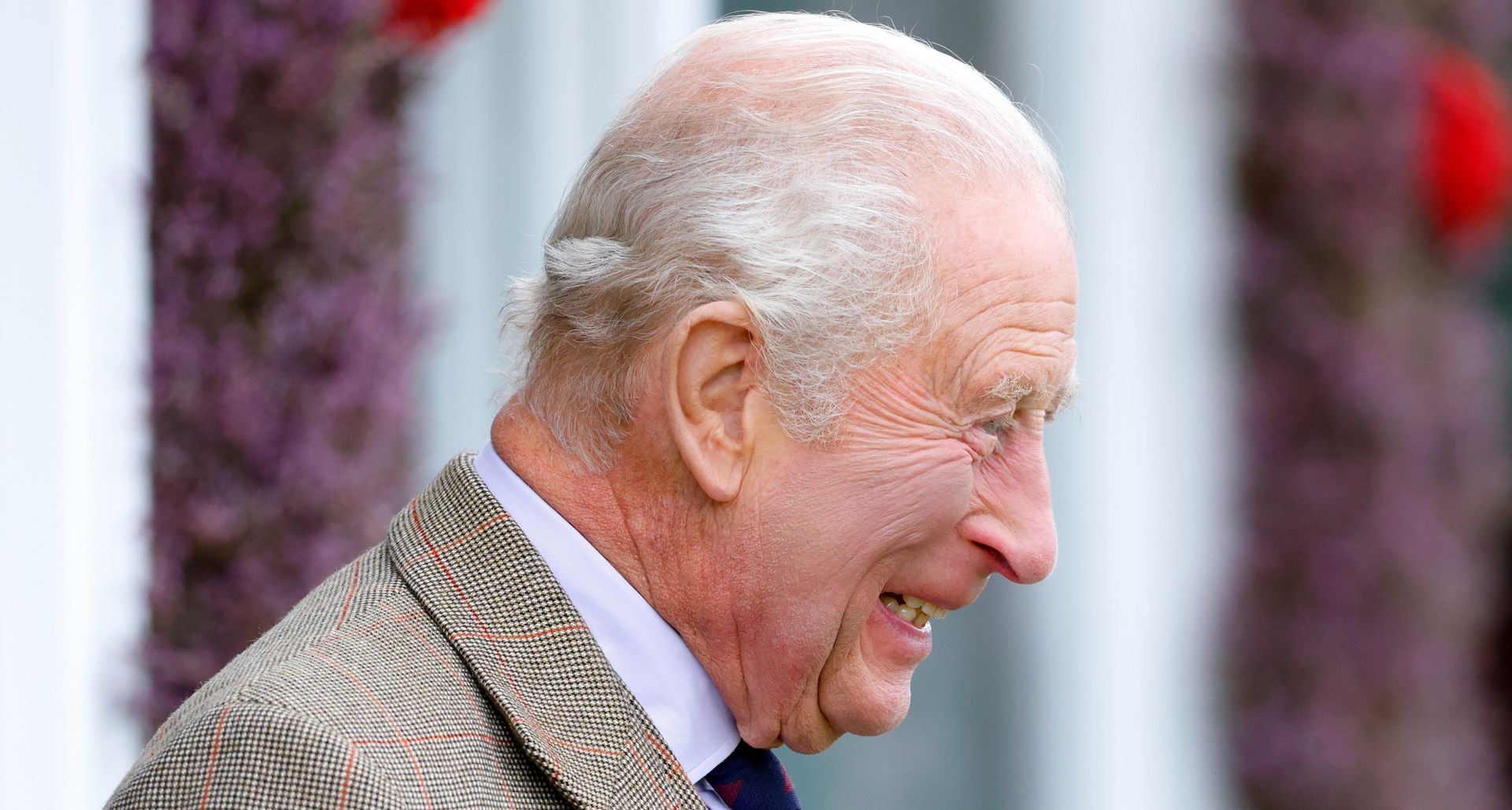
The Sovereign's Quiet Ritual of Resourceful Royal Soaks
The bathwater holds its secrets, and so does the ritual. There is a quiet alchemy in the Sovereign's choice to linger, to mend, to repurpose what others discard. It is not about deprivation; it is about discernment. Waste not, want not becomes a meditation, a slow rebellion against the throwaway. This piece pairs beautifully with our survey on mindful fashion, where intention turns the ordinary into the exceptional. Here, resourcefulness is not a compromise. It is the ultimate luxury, worn softly.

The Quiet Power of Sustainable Style: A Survey on Mindful Fashion Choices
There is a quiet authority in choosing what you wear with intention, and this survey on mindful fashion choices captures that beautifully. It feels less like a study and more like an invitation to pause. The findings suggest we are moving toward a style that values meaning over volume, a sentiment that resonates deeply with our own philosophy of understated elegance. For those drawn to this deliberate approach, our piece on an engineer's quiet textile evolution offers a fitting complement.
From Medical Devices to Master Yarns: An Engineer's Quiet Textile Evolution
Eighteen months into a quiet pivot, from medical devices to master yarns, and the tangle is real. This engineer's journey, threading a two-decade career into technical socks that must survive wet, sweaty hikes, isn't about perfection. It's about the honest compromise: use less, make it last. That's the Sisyphean pull, and it's why we're drawn to the unglamorous work. For those craving deeper context on why sustainable fashion feels so heavy, our piece on fast fashion's allure offers a fitting backdrop.
Sustainable Golf Apparel: Finding Eco-Conscious Manufacturing
There is a quiet intention forming on the greens, a shift toward garments that respect both the player and the planet. This question about sustainable golf apparel feels like a natural extension of that ethos, asking not for loud statements, but for materials and methods that align with a more considered lifestyle. It is a search for substance over excess.
The Allure of Fast Fashion: Why Breaking the Cycle Feels So Hard
There is a quiet tension in admitting how often we reach for something we know we shouldn't. Fast fashion persists because it meets us where we are, affordable, immediate, and endlessly current. But the pull runs deeper than convenience. It is tied to identity, to the version of ourselves we are still becoming. I wonder if the real challenge is not judgment, but honesty. What are we truly seeking when we buy?
Cultivating Conversations: Your Weekly Space for Sustainable Fashion
There is a particular ease to a space that asks for nothing but honesty. *Cultivating Conversations* offers that this week, a thread for sustainable fashion that feels less like a lecture and more like a shared breath. It is a place to be nice, to be present, and to explore what mindful dressing truly means. For those drawn to the quieter side of style, our related piece on elevated fall style offers a natural companion.

Studio Seven Designs: A Closer Look at Their Sustainable Practices
There's something quietly compelling about a brand that begins with upcycling and grows with intention. Studio Seven Designs has built a following on that foundation, and it's fair to wonder if the practice runs deeper than the aesthetic. From what I've seen, their ethos feels consistent, not performative. For someone like you, who rarely buys first-hand, that matters. It's the kind of considered approach that aligns with slow fashion. For more on mindful style choices, our piece on elevated fall style offers a similar sensibility.
Finding Beauty in the Existing: A Weekly Thrifted Style Edit.
There is a quiet poetry in wearing something with a history. This weekly edit celebrates that feeling, honoring the pieces that have lived before they found you. Because the most sustainable clothing is what already exists, we invite you to share your thrifted finds here, a space for the curated and the cherished. It is a practice in intentionality, a softer form of self-expression. For those seeking a similar shift in perspective, our guide to elevated fall style offers subtle shifts for lasting impact.

Beyond Trend: Fashion's Quiet Shift Towards Enduring Values.
There is a quiet confidence in fashion's current mood, a deliberate step back from the noise. This story captures that shift toward enduring values, where style feels less like a statement and more like a settled sense of self. It is a welcome departure from the relentless chase for the new. For those drawn to this calmer approach, our related piece on subtle fall style offers a fitting complement.