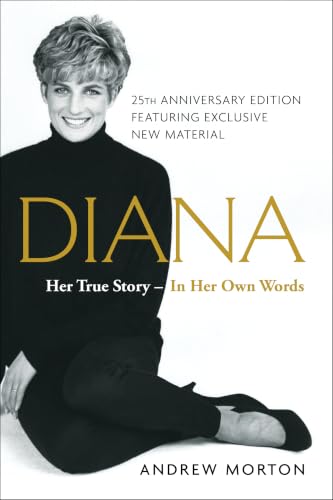
There is a particular kind of power that comes from restraint, and Prince William appears to understand this intimately. Andrew Morton's report that the Prince of Wales may reconsider royal titles upon becoming King is not a story about nomenclature; it is a story about the quiet confidence of a man who knows exactly what his reign should feel like. In The Sovereign's Quiet Ritual of Resourceful Royal Soaks, we explored how even the smallest domestic habits can signal a larger philosophy, and this is no different. William's reported willingness to slim down the titles of his family members is a deeply intentional act, one that speaks to a monarchy less concerned with grandeur and more attuned to the atmosphere it creates. It is not a rejection of tradition; it is a refinement of it.
We would tell our readers this: pay attention to what is not being said. The decision to modernize titles is rarely about the titles themselves. It is about the message they send to those who watch from the outside. When a king quietly decides that a title is more weight than honour, he is making a statement about the kind of institution he wants to lead. This is the same energy we admired in The Quiet Confidence of Knowing When to Walk Away, where the act of leaving was less about loss and more about self-respect. William is not stripping anyone of their identity; he is curating the identity of the Crown itself. There is a calm authority in that, a sense that he understands the difference between what deserves elevation and what merely clutters the frame.
For those of us who follow these things closely, the practical takeaway is simple: the monarchy is entering a phase where less will be more. We should expect to see fewer royal titles in circulation, not because anyone is being punished, but because the institution is finally catching up with the cultural moment. It is a move that aligns with the reflective, emotionally aware tone we have come to appreciate in figures like Prince Harry, whose recent reflection on a joyful return to British soil in Prince Harry Reflects on a Joyful Return to British Soil reminds us that family and duty are rarely simple. William is drawing a line between the institution and the individuals who serve it, and that line is not about hierarchy. It is about clarity.
What we would tell a reader who asks whether this matters: it matters more than you think. Titles shape perception, and perception shapes trust. If William follows through on this reported instinct, the monarchy will not look smaller for it; it will look more intentional. The specific consequence to watch is how quickly the palace acts on this philosophy once the crown changes hands. Will we see a quiet wave of simplified forms of address within the first year? Or will this remain a piece of speculation, a rumour that never quite materialises? The answer will reveal whether William's public talk of "change for good" was genuine or merely a posture. We are inclined to believe it is real, because the most powerful changes are never announced. They are simply lived.