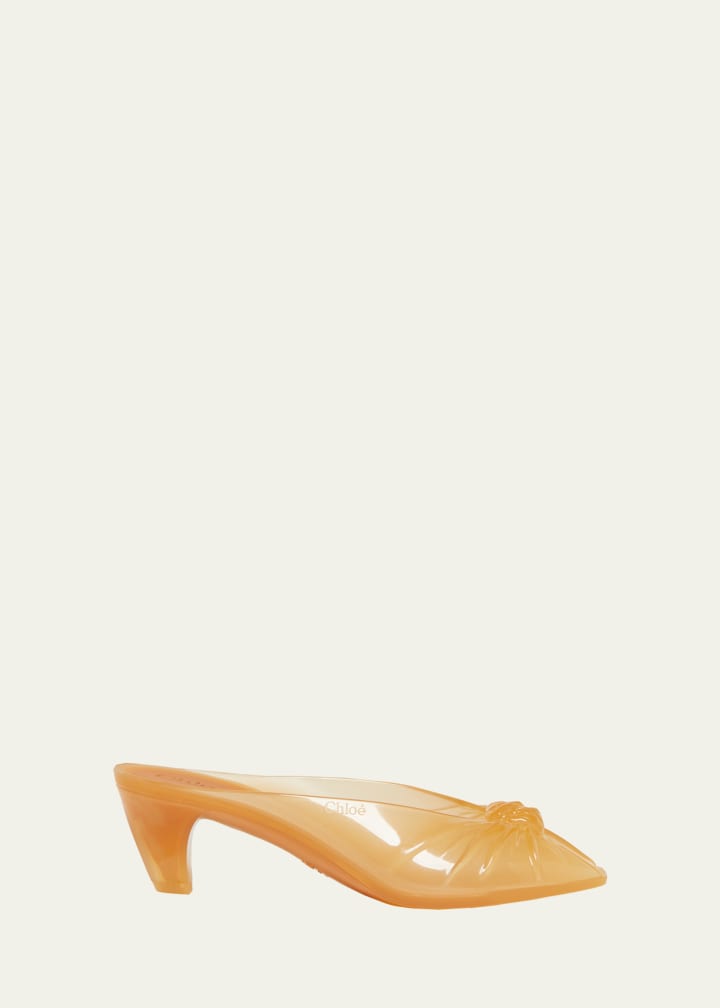
There is a particular quiet that settles over a room when a woman decides she is enough. It is not the silence of absence, but the hush of self-possession. This is the same atmosphere that surrounds the return of the princess shoe, a trend that has little to do with glass slippers and everything to do with the woman who wears them. Rachel Hochhauser, the New York Times best-selling author of *Lady Tremaine*, has spent her career unpacking the cultural weight of Cinderella's story, and her observation lands with the clarity of a well-cut heel: the shoe endures because it is a symbol of transformation, not of rescue. We agree, though we would add a quieter truth. The modern princess shoe does not ask to be saved; it asks to be worn with intention. It is a footnote in a larger narrative about Understated Essentials: Zara's Autumn Staples for Quiet Luxury and the kind of Sculpted Silhouettes: Victoria Beckham’s Fall Collection Finds Quiet Strength that favours presence over noise.
This is not the fairytale of our childhoods, all froth and fantasy. That version was loud, demanding attention with glitter and spectacle. The princess shoe of today is a different creature entirely. It is the pointed-toe pump in a muted satin, the delicate ankle strap that catches the light only when you move. It whispers rather than announces. In this way, it aligns more closely with the current mood of fashion, a preference for A Brother's Reflection: Diana's Home and Harry, Meghan's Visit style of quiet dignity over overt display. The connection is not in the hemline but in the posture. A woman who chooses this shoe is not performing femininity for an audience; she is curating a private world where her own comfort and confidence are the only metrics of success. The shoe becomes a secret, a piece of armour that softens the blow of the everyday.
What captivates us most is the emotional transference. Hochhauser's work suggests that the shoe's power lies in its promise of a new beginning, a chance to step into a different version of oneself. We would argue that the current iteration is more introspective than that. It is not about becoming a princess, but about reclaiming the part of yourself that already is one. It is a subtle but profound shift from external validation to internal wholeness. When you slide your foot into that refined heel, you are not waiting for a moment to arrive; you are arriving in it. The practical takeaway for our reader is this: you do not need a ball gown or a royal pedigree to access this energy. You need only to dress with the same deliberate grace you wish to embody.
So, if a reader came to us asking what to make of this trend, we would tell her this. Do not wait for the carriage to turn into a pumpkin. Buy the shoe that makes you stand a little taller, the one that feels like a quiet rebellion against the noise. The specific detail to watch is the craftsmanship, the weight of the heel, the precise cut of the toe. Because in a world that screams, the most powerful statement is often the one made in a whisper. And the woman who knows this, who wears her fairytale on her own terms, is never waiting for permission. She is already the one in charge.