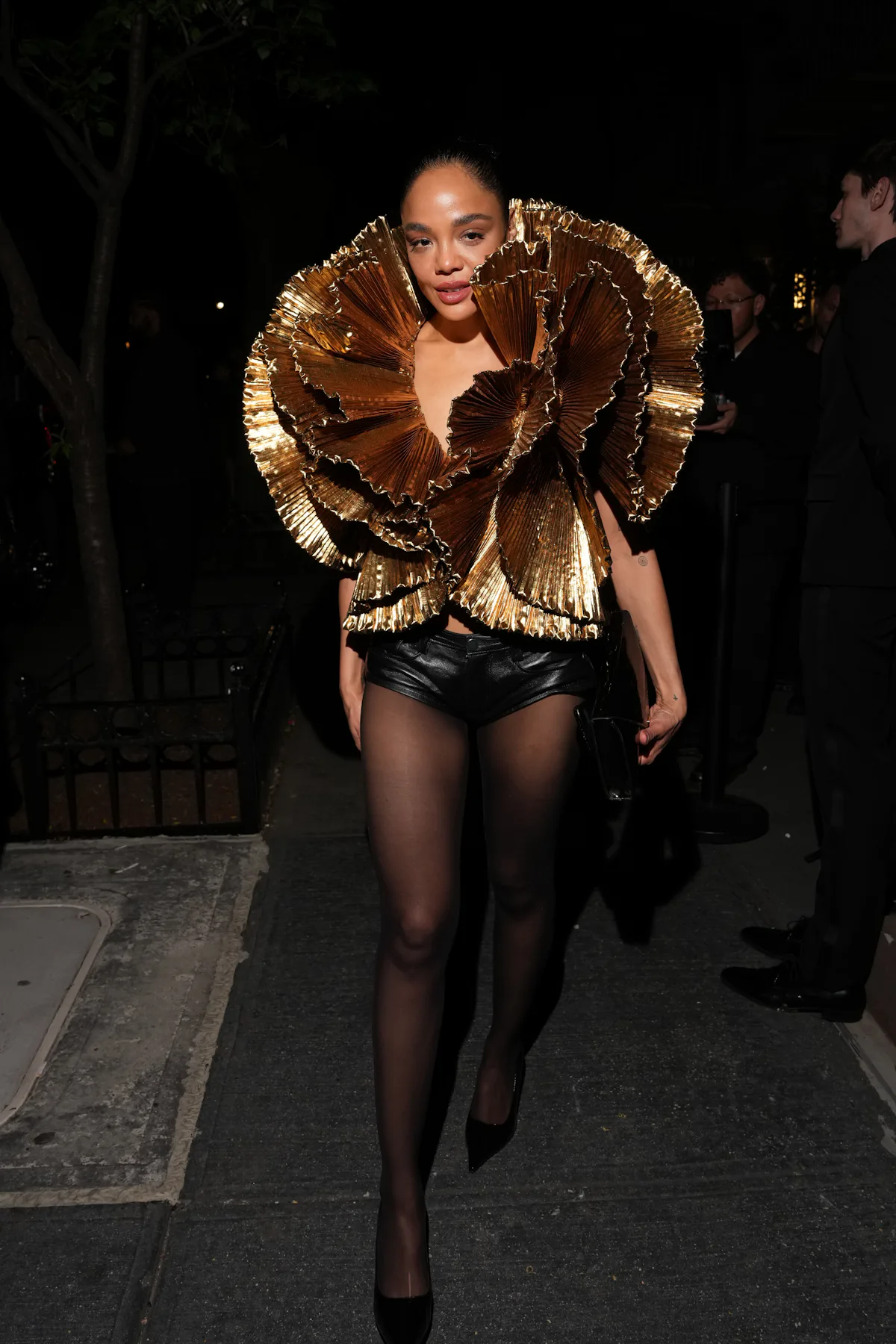
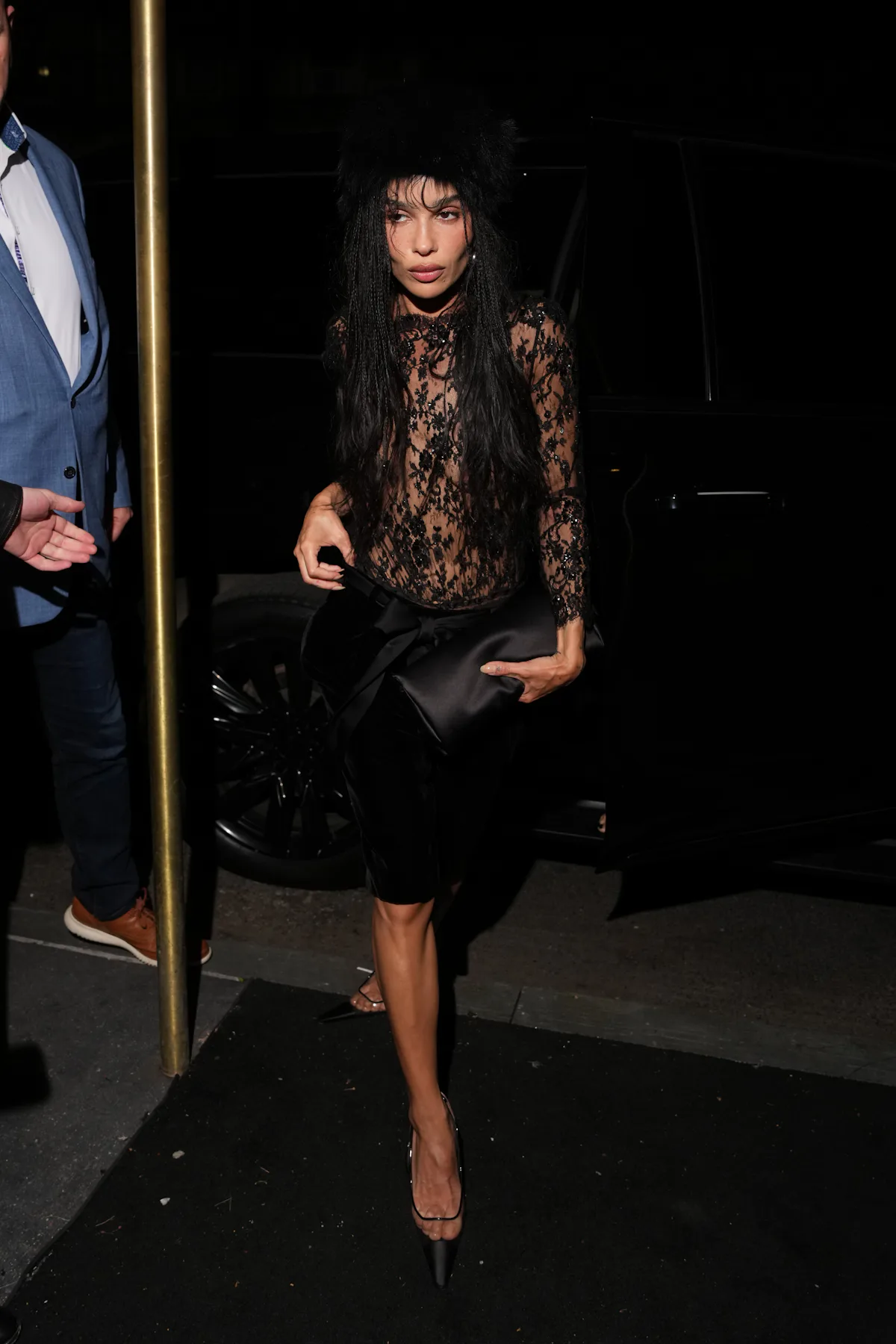
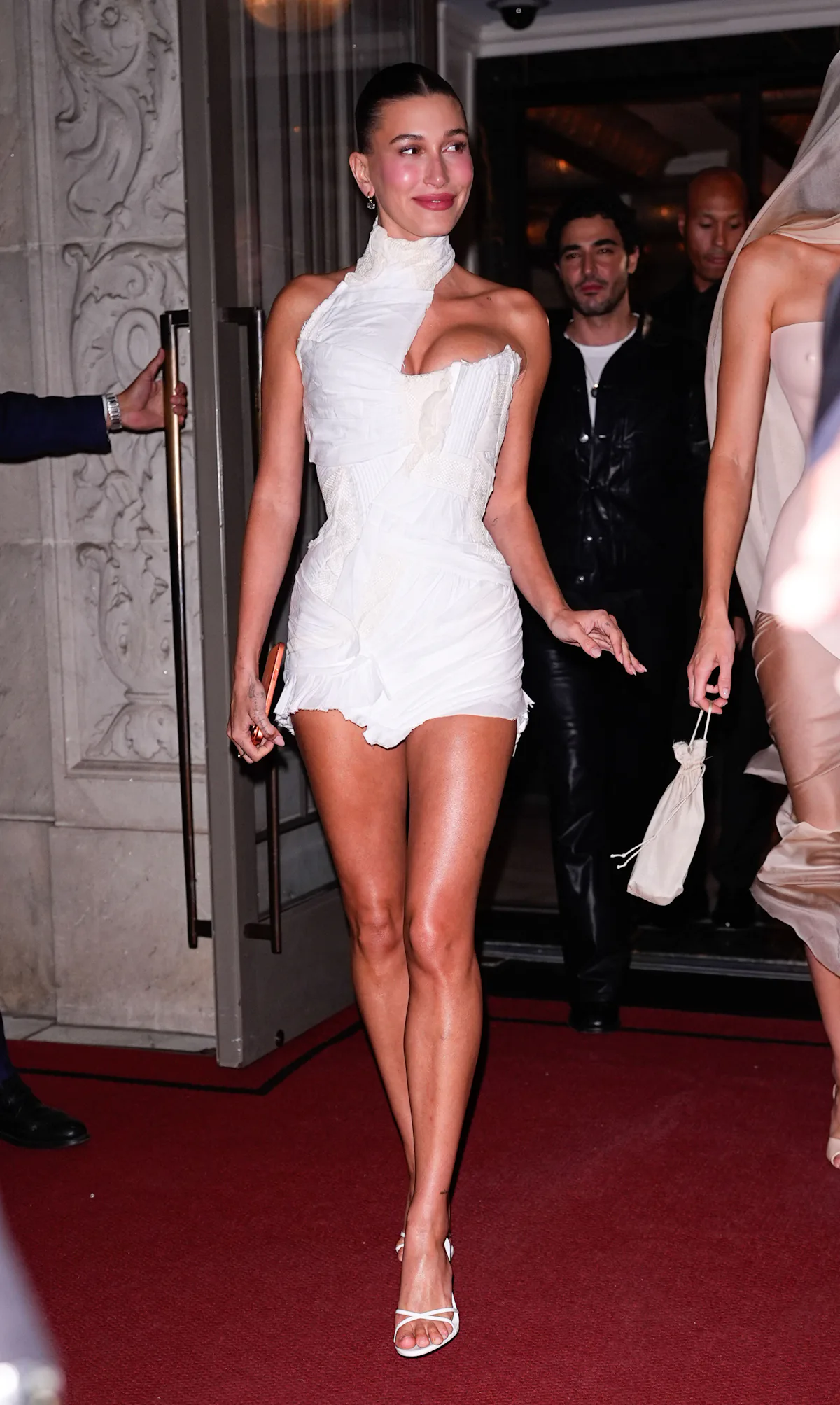
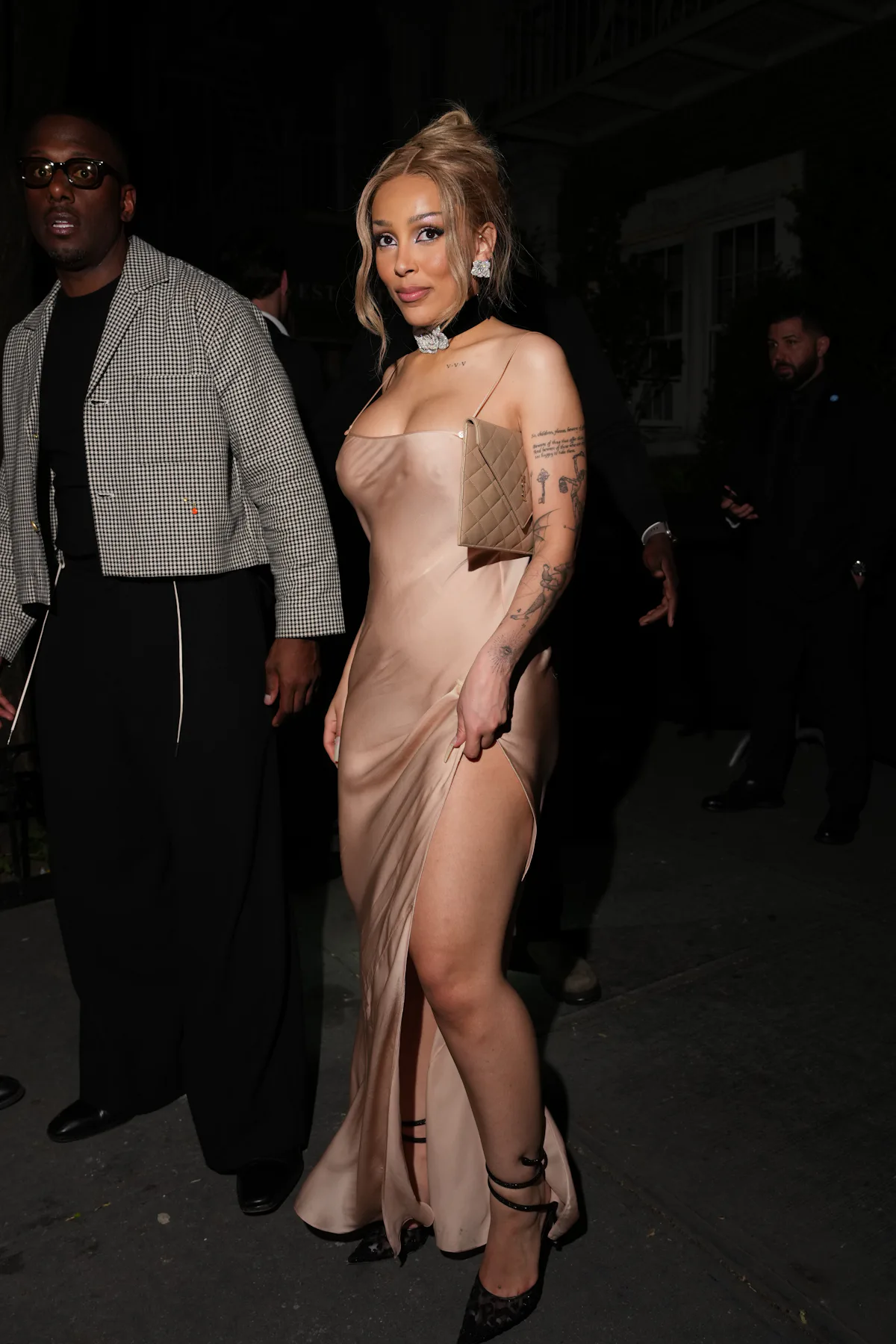
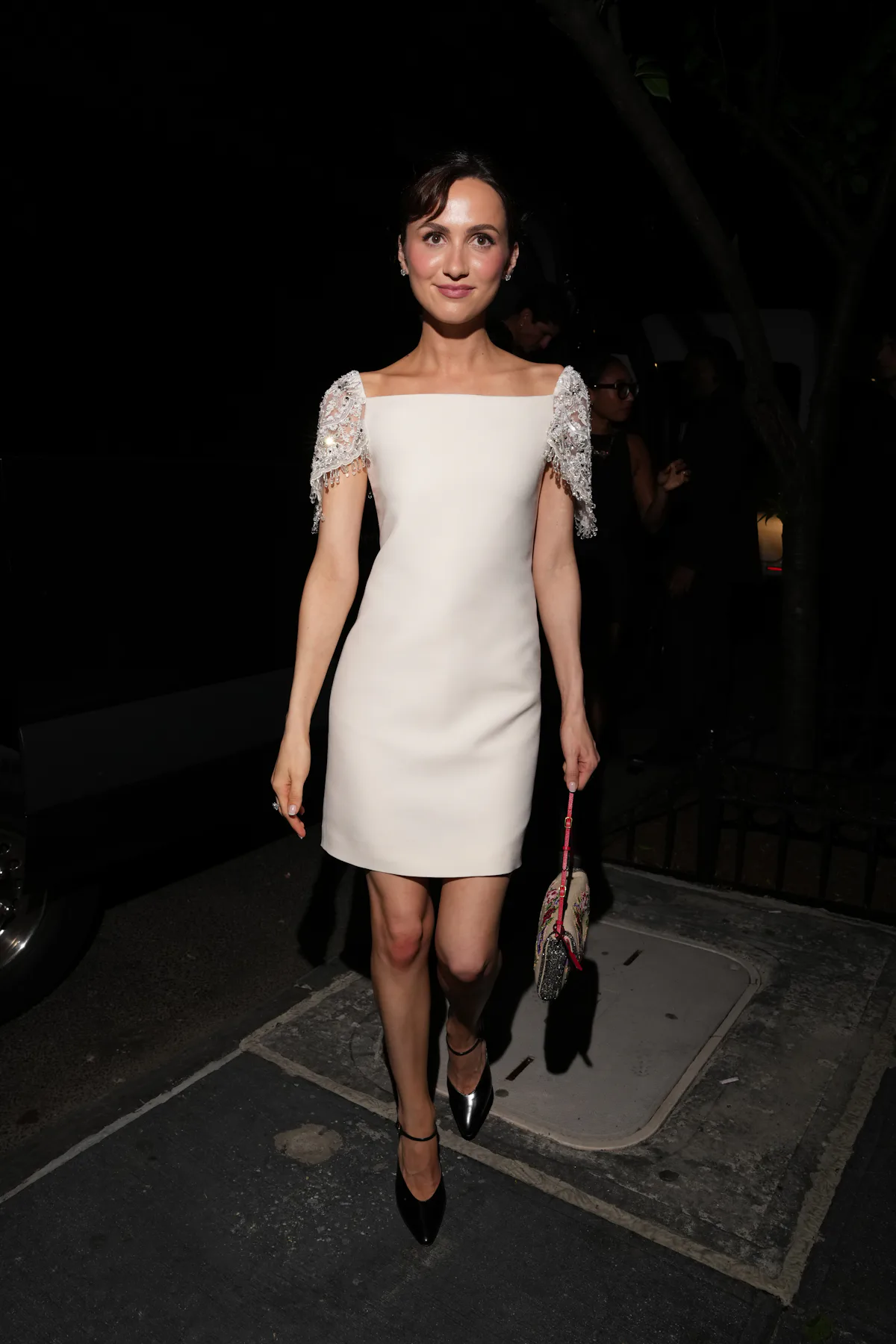
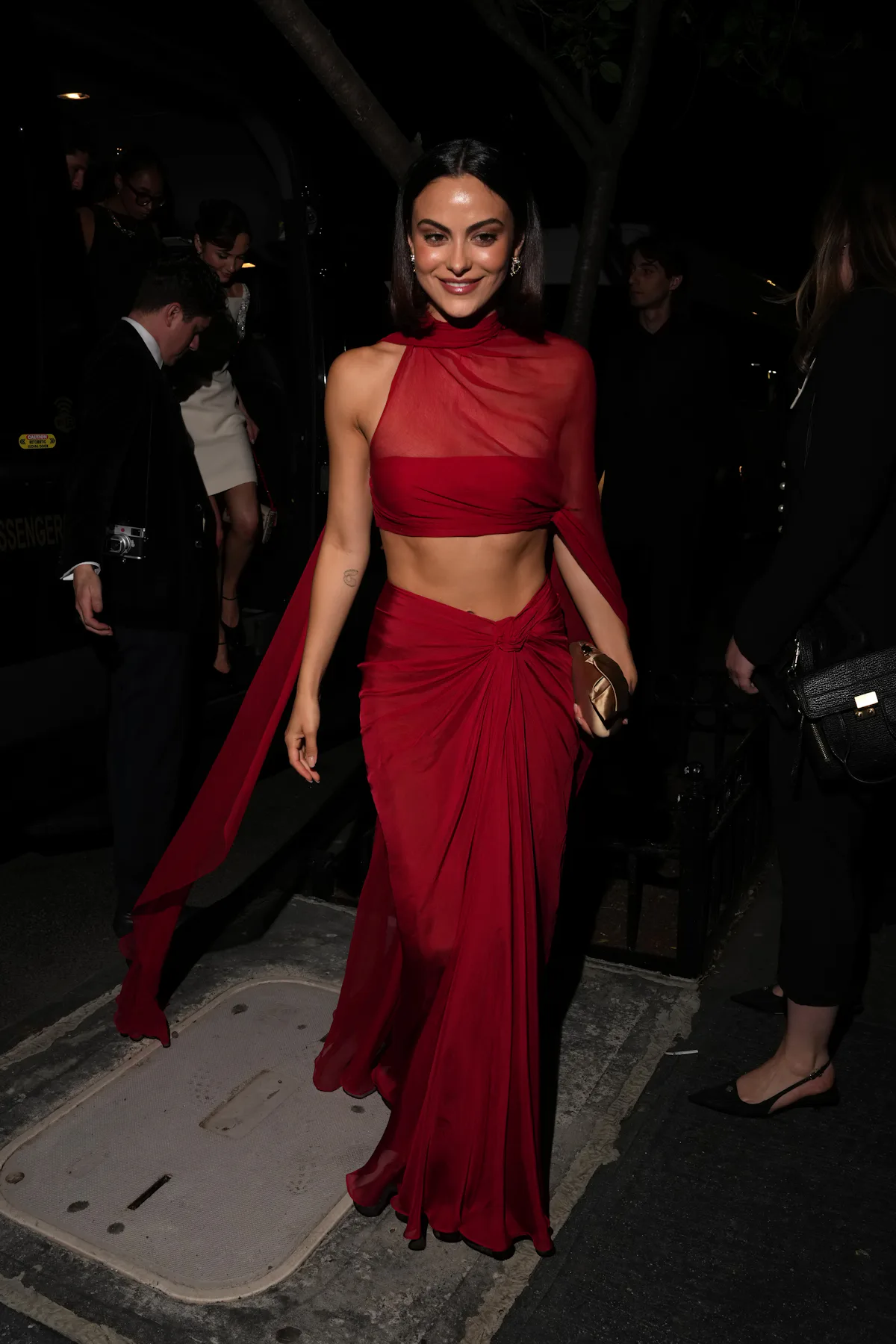
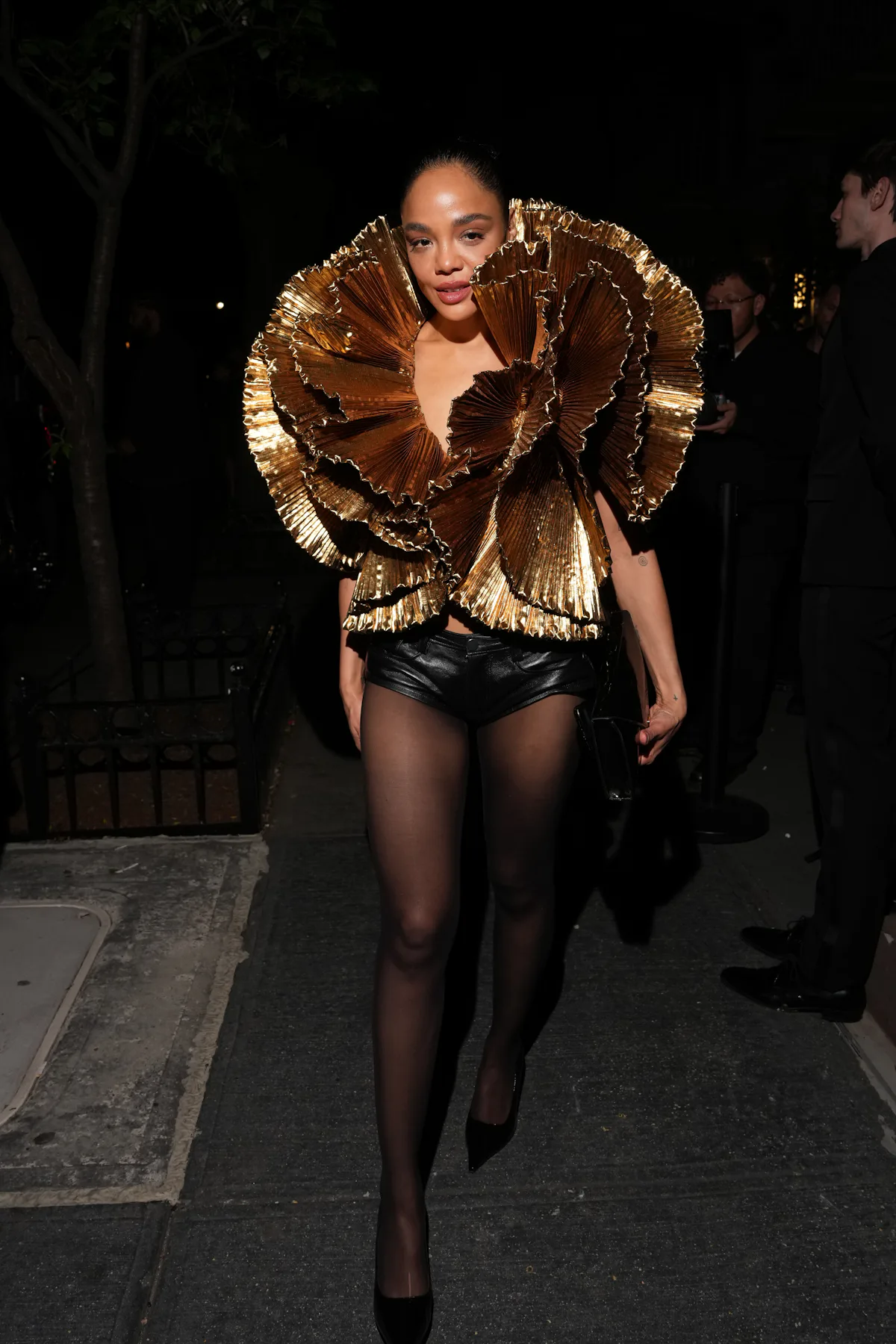
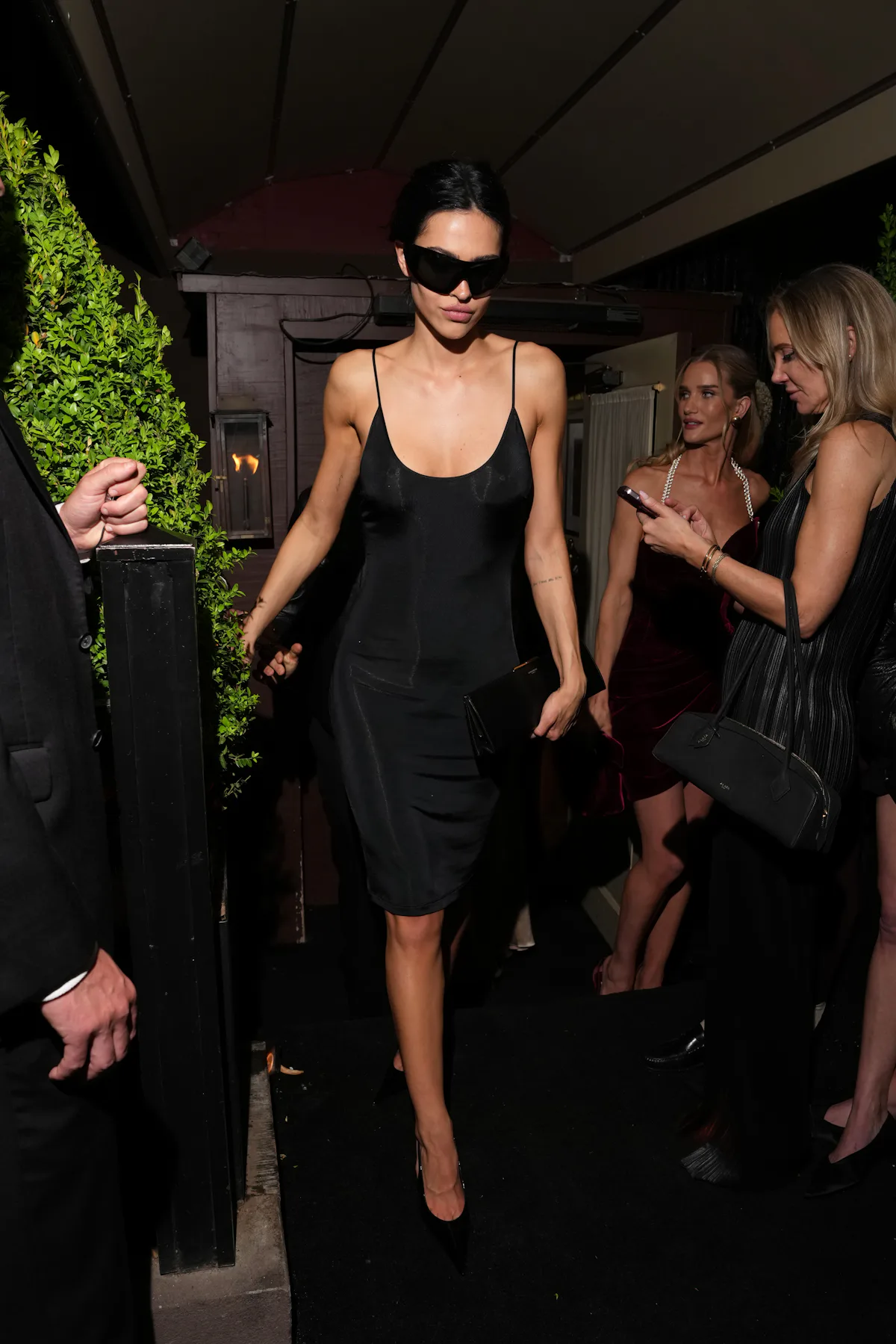
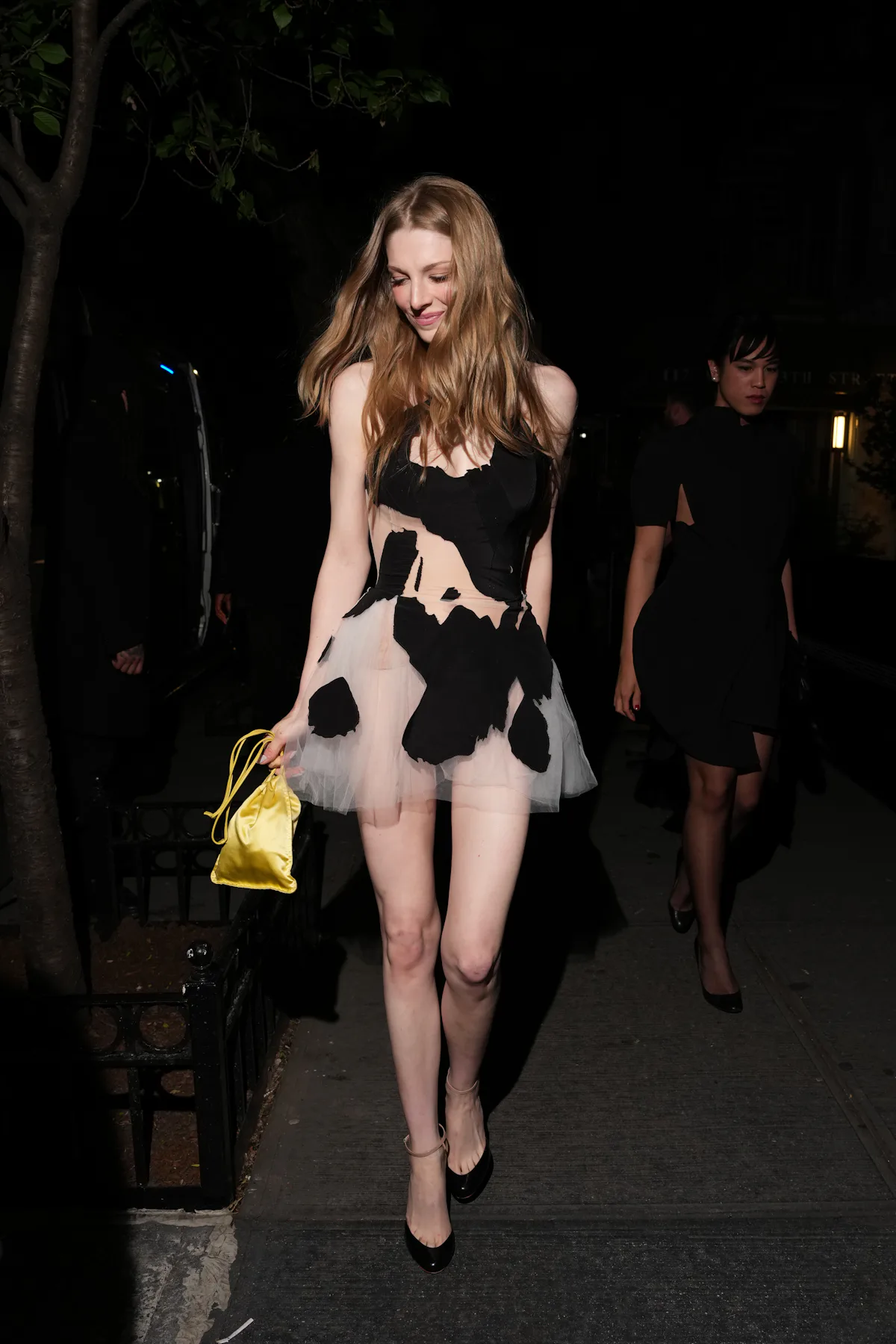
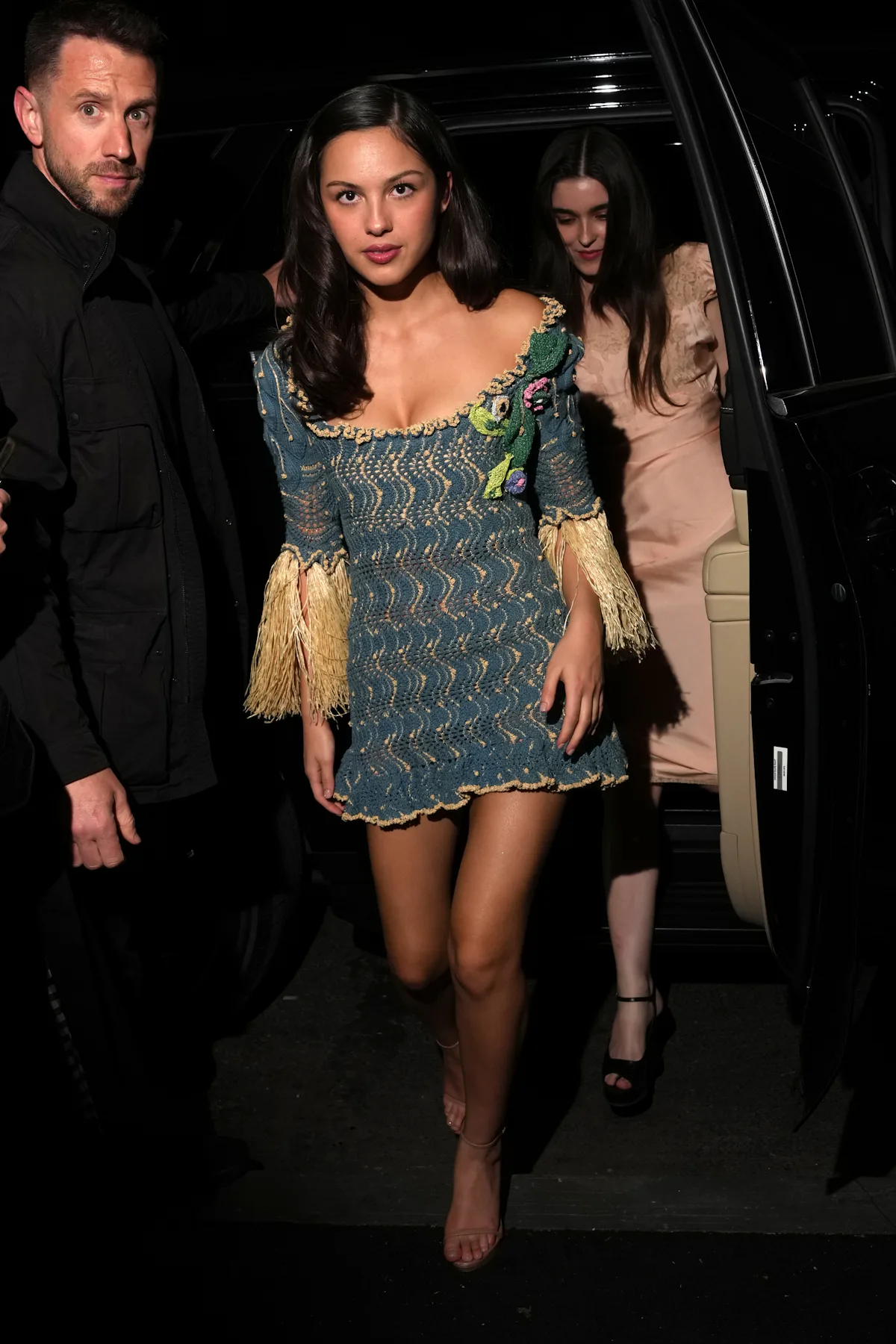
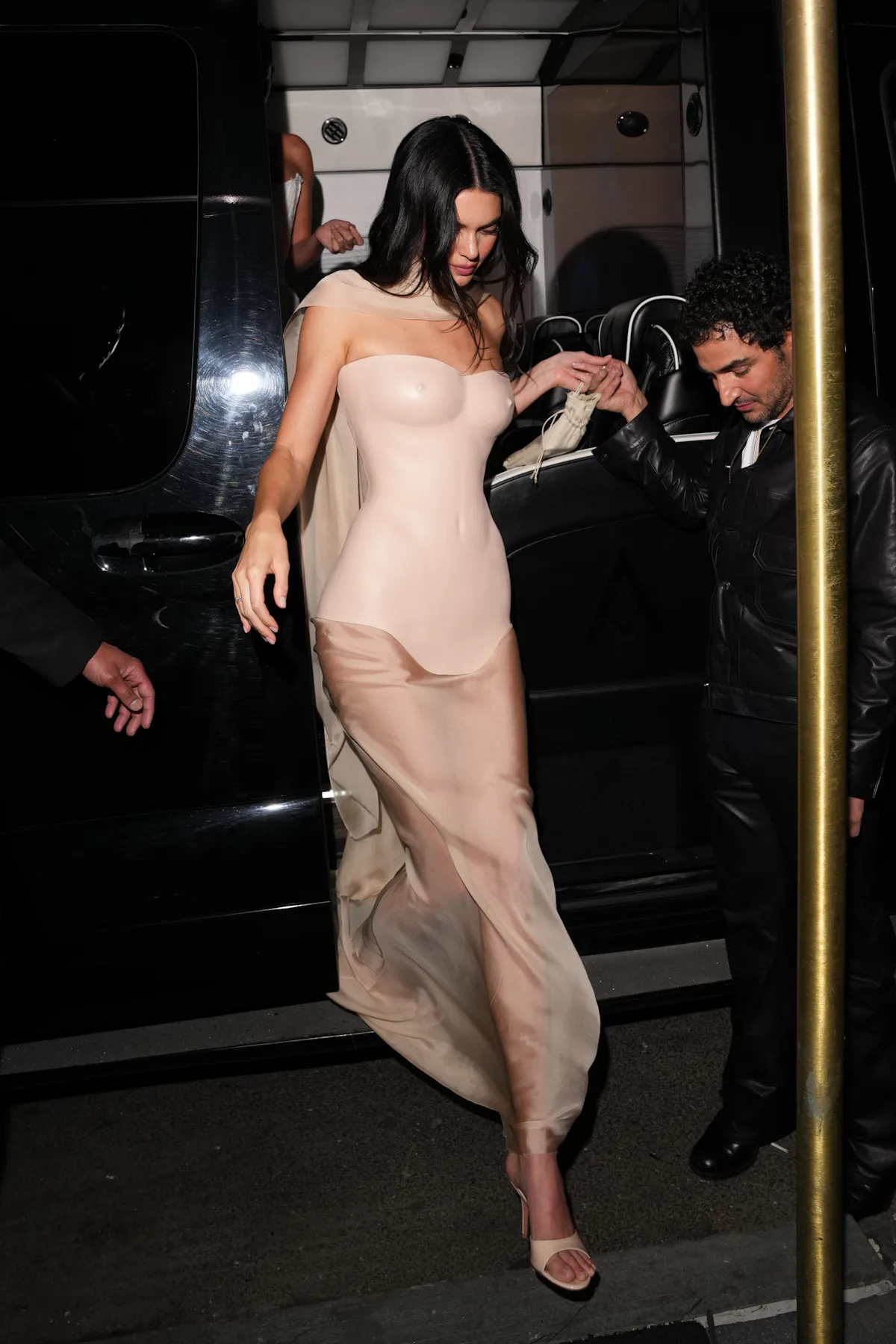
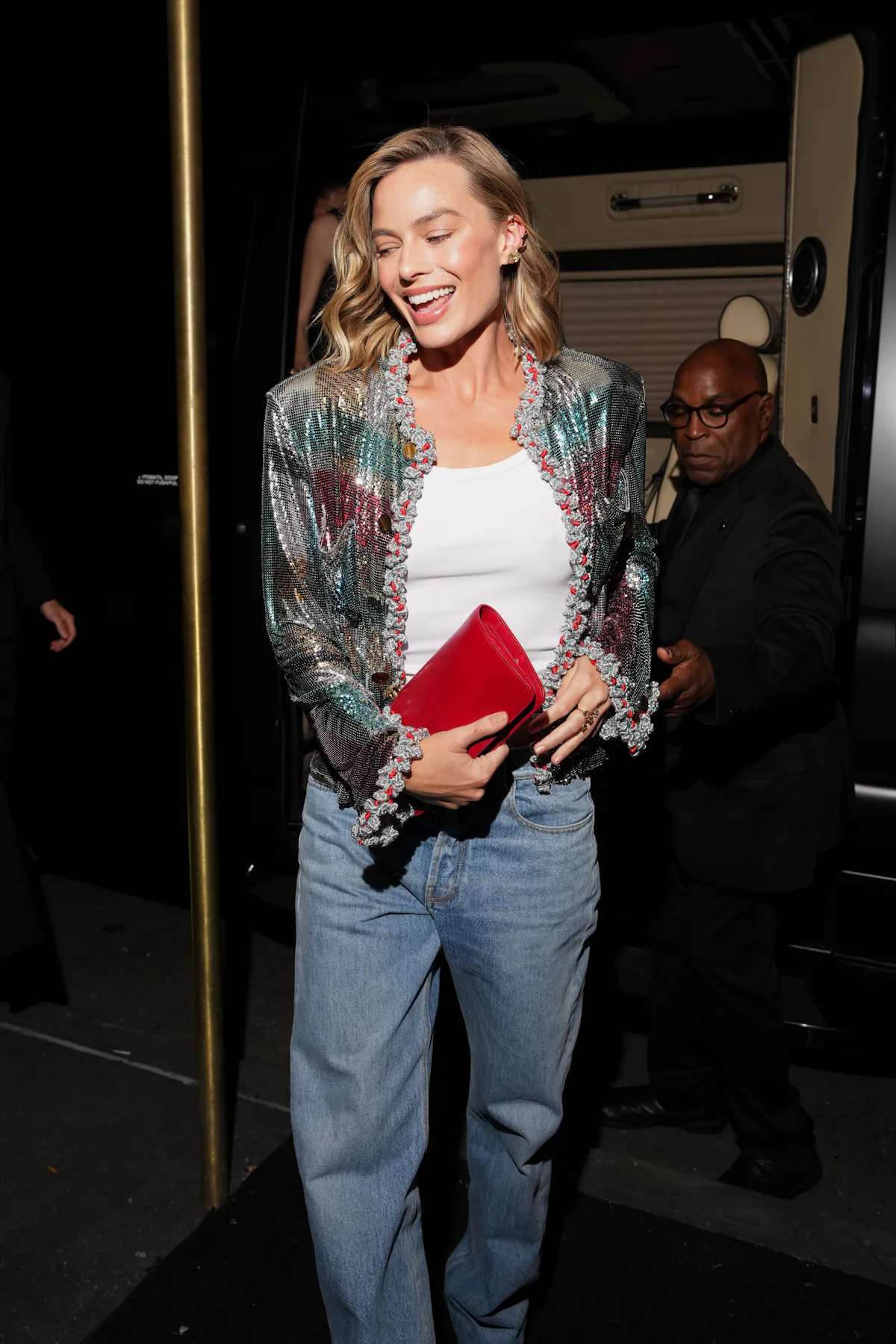
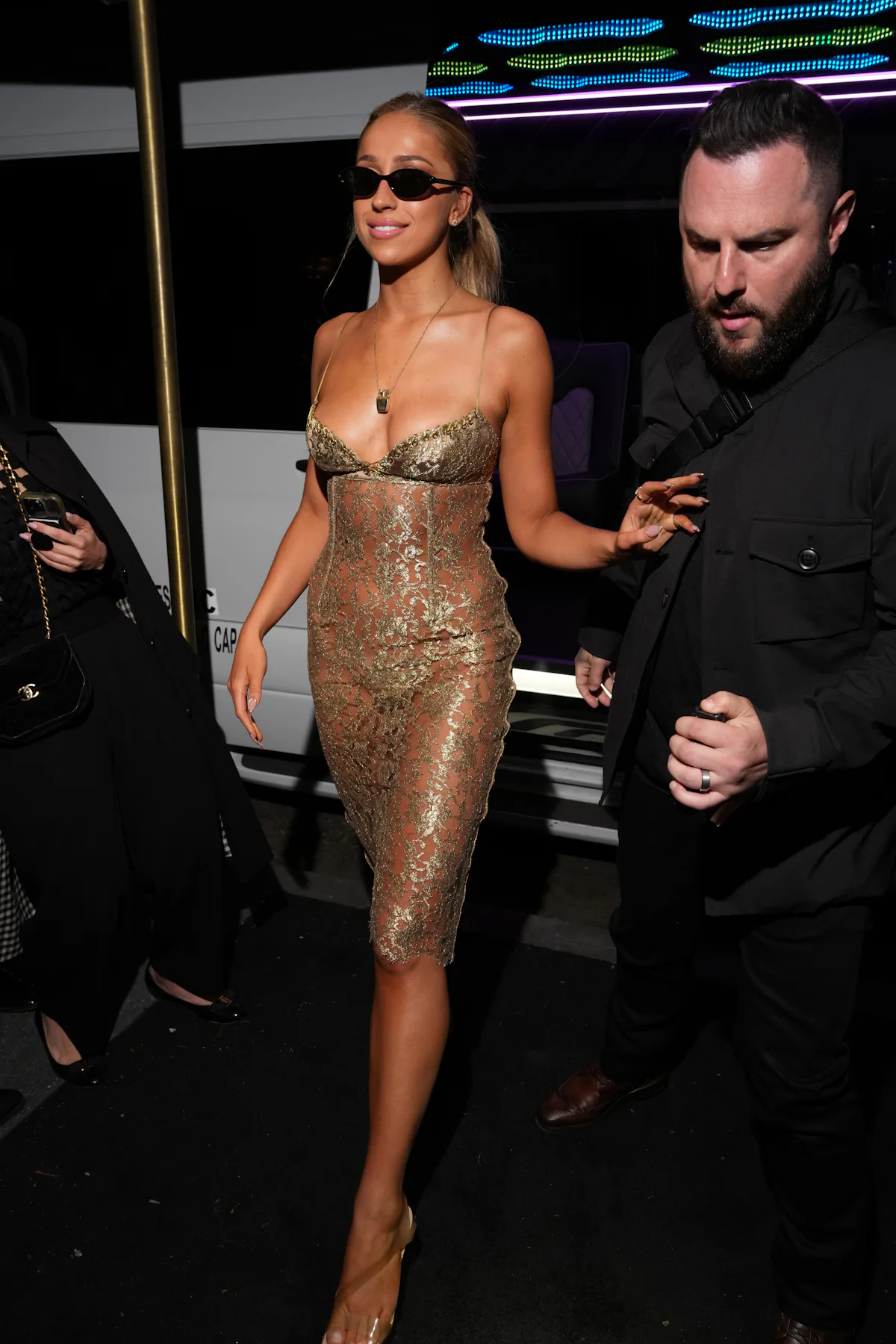
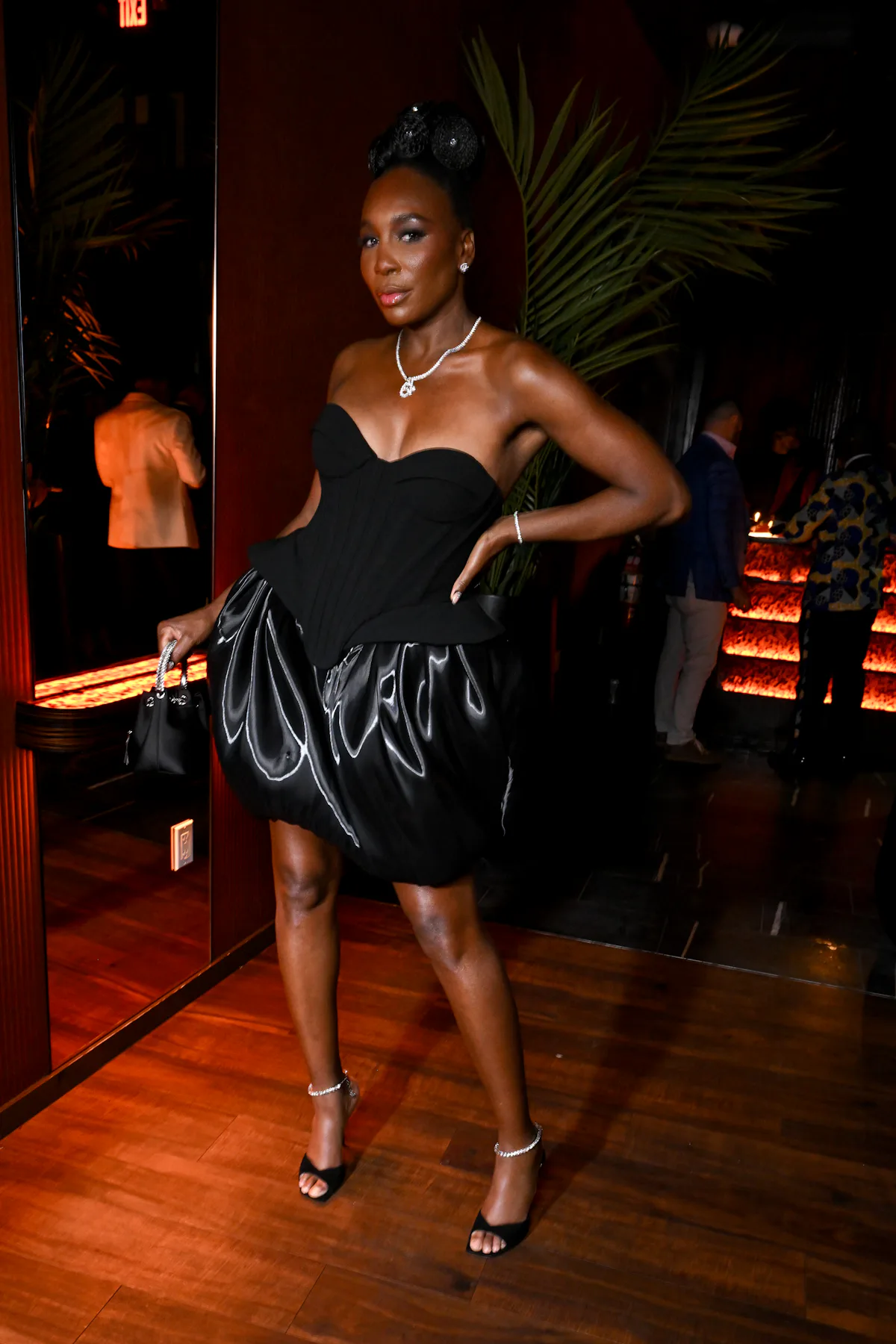
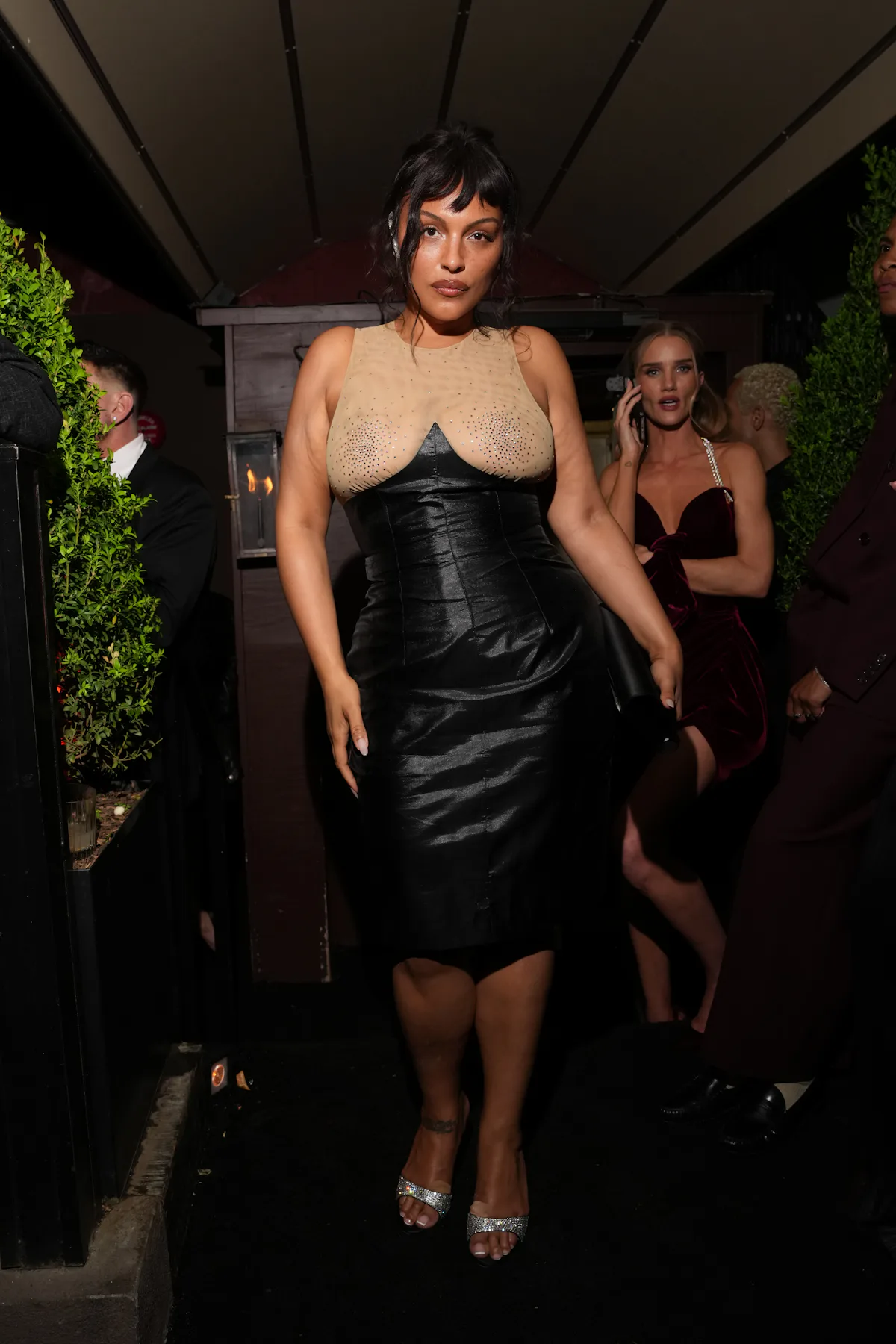
The 2026 Met Gala after-parties proved that the real fashion conversation begins when the cameras stop rolling. While the main event delivered its expected spectacle, the after-hours gatherings offered something more intimate yet equally compelling: a continuation of artistic expression without the weight of formal expectation. From Beyoncé and Blue Ivy's tender mother-daughter moment to the Kardashian-Jenners' coordinated breastplates, the evening's style narrative extended well past the traditional red carpet curtain call. For those seeking a fuller picture of how celebrities interpreted this year's "Fashion Is Art" theme, the The Celebrity Fashion At The 2026 Met Gala Stayed True To The Artistic Theme coverage captures the breadth of that creative vision, while style expert Rachel Zoe has shared her own curated perspective on the standout moments in Rachel Zoe's Favorite Looks From The 2026 Met Gala Are Probably Yours, Too.
What makes after-party fashion so compelling is its unspoken invitation into intimacy. These aren't looks designed for maximum impact across thousands of flashing bulbs; they're statements made for rooms where conversation flows and champagne settles. The energy shifts from performance to presence, and that distinction matters. We see a different kind of confidence emerge when celebrities know they're being observed rather than documented—a quieter glamour that feels almost conspiratorial, as if attendees are sharing a secret language with those lucky enough to witness it.
The "Fashion Is Art" theme proved particularly suited to this after-hours evolution. When fashion is positioned as art rather than mere clothing, the conversation naturally extends beyond the red carpet's rigid parameters. Art doesn't end when the exhibition closes; it lives in the moments between, in the way a garment moves through a crowded room, in the conversations it sparks across a banquette. The after-parties became living extensions of the Costume Institute's spring exhibition, transforming private celebrations into informal galleries where every entrance was a new installation.
This year's after-party looks also revealed something worth noting about the current cultural moment: the softening of fashion's competitive edge. There was a sense of collective appreciation rather than cutthroat one-upmanship, a recognition that the evening's true luxury lies in being present rather than being seen. The Kardashian-Jenners' coordinated breastplates felt less like a bid for viral dominance and more like a shared artistic statement among women who understand the power of strategic unity. Beyoncé and Blue Ivy's mother-daughter styling embodied this spirit perfectly—a passing of the torch that prioritized connection over competition.
Looking ahead, the question becomes whether this after-party elegance will influence mainstream fashion behavior. The Met Gala has always functioned as a crystal ball for broader style movements, and the measured, intentional glamour we're seeing suggests a shift toward fashion as emotional expression rather than pure spectacle. The 2026 Oscars After-Party Looks offered similar glimpses of this refined approach, indicating a broader industry movement toward quiet confidence. As we move further into 2026, the real style story may not be what's captured on the carpet but what happens once the crowds thin and fashion becomes, quite literally, a personal art form.