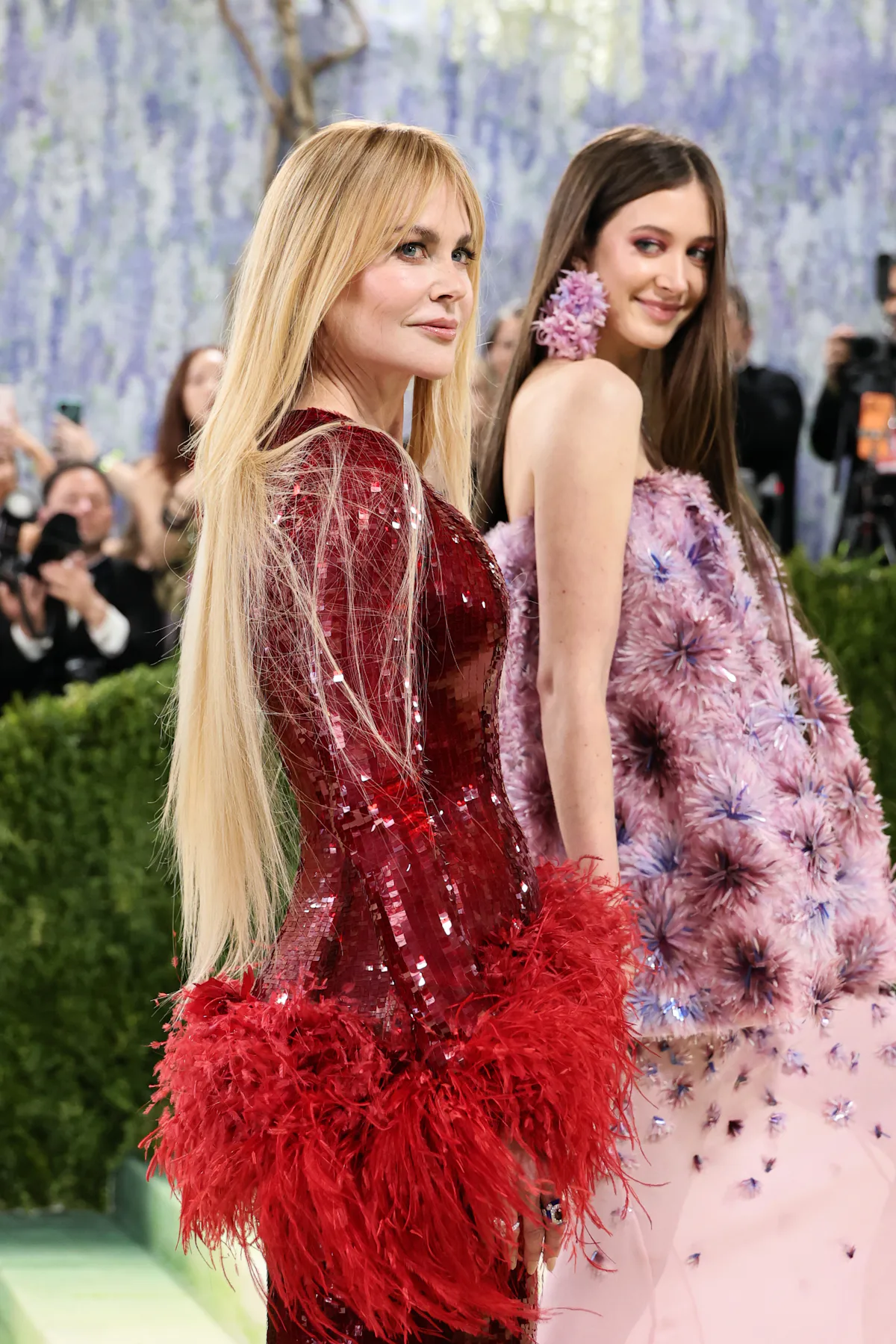
The 2026 Met Gala has come and gone, but the conversation it ignited is only beginning. As style arbiter Rachel Zoe shares her favorite looks from this year's "fashion is art" themed affair, we're reminded that the red carpet remains one of the few spaces where creativity is allowed to operate at full throttle — unfiltered, unapologetic, and undeniably cinematic. What strikes us most about Zoe's selections is not merely their visual impact, but the emotional undercurrent running through each choice. This year's ceremony felt less like a competition and more like a collective exhale, a moment where the industry collectively decided to prioritize presence over performance. From Blake Lively's ethereal interpretation of the theme to Beyoncé's triumphant return, these weren't just garments — they were declarations. The 2026 Met Gala After-Parties Turned Up The Glamour further illustrated that this energy extended well beyond the main event, proving that when the fashion world gathers with intention, the results resonate far beyond the walls of of the temporary structure on Fifth Avenue.
What makes Rachel Zoe's perspective particularly compelling is her ability to distill visual chaos into something actionable for the everyday reader. She understands that luxury isn't about replicating a look wholesale, but about capturing its essence — the confidence, the narrative, the quiet power of a woman who knows exactly who she is. This year's standout moments shared that common thread: sensuality without exploitation, drama without desperation, and femininity expressed on its own terms. The Kardashian/Jenner crew's embrace of risqué breastplates, for instance, wasn't about shock value alone; it was about reclaiming the body as canvas, transforming what could be mere provocation into genuine artistic expression. When we look at these looks through Zoe's lens, we're invited to ask not "would I wear that?" but rather "what does this make me feel?" — and that shift in perspective is everything.
The "fashion is art" theme could have easily devolved into pretension, but instead it served as an invitation. It asked participants and observers alike to consider clothing not as mere utility or status signaling, but as a legitimate form of creative expression worthy of the same scrutiny we afford painting or sculpture. The result was a carpet that felt surprisingly accessible despite its astronomical price points — because art, at its core, is about emotional resonance, not exclusivity. Zoe's favorite picks understood this implicitly. They invited us in rather than keeping us at arm's length, offering mood and atmosphere over mere spectacle. This is the quiet luxury conversation happening beneath the surface of all that glitz: not "look at me," but "feel this with me."
As we look toward the next cycle of fashion moments, the question becomes whether this emotional, intentional approach will endure or if we'll return to the more transactional relationship with style that characterized previous eras. Given the cultural moment we're navigating — one that prizes authenticity and inner work over external validation — we suspect the former. The women who commanded the 2026 Met Gala carpet understood something fundamental: true style authority comes from within. And perhaps that's the real takeaway from Zoe's favorites, beyond the specific gowns and suits and accessories. They're not just clothes. They're invitations to inhabit our own power with the same calm confidence these women radiated into the cameras. The question now is how we'll answer.