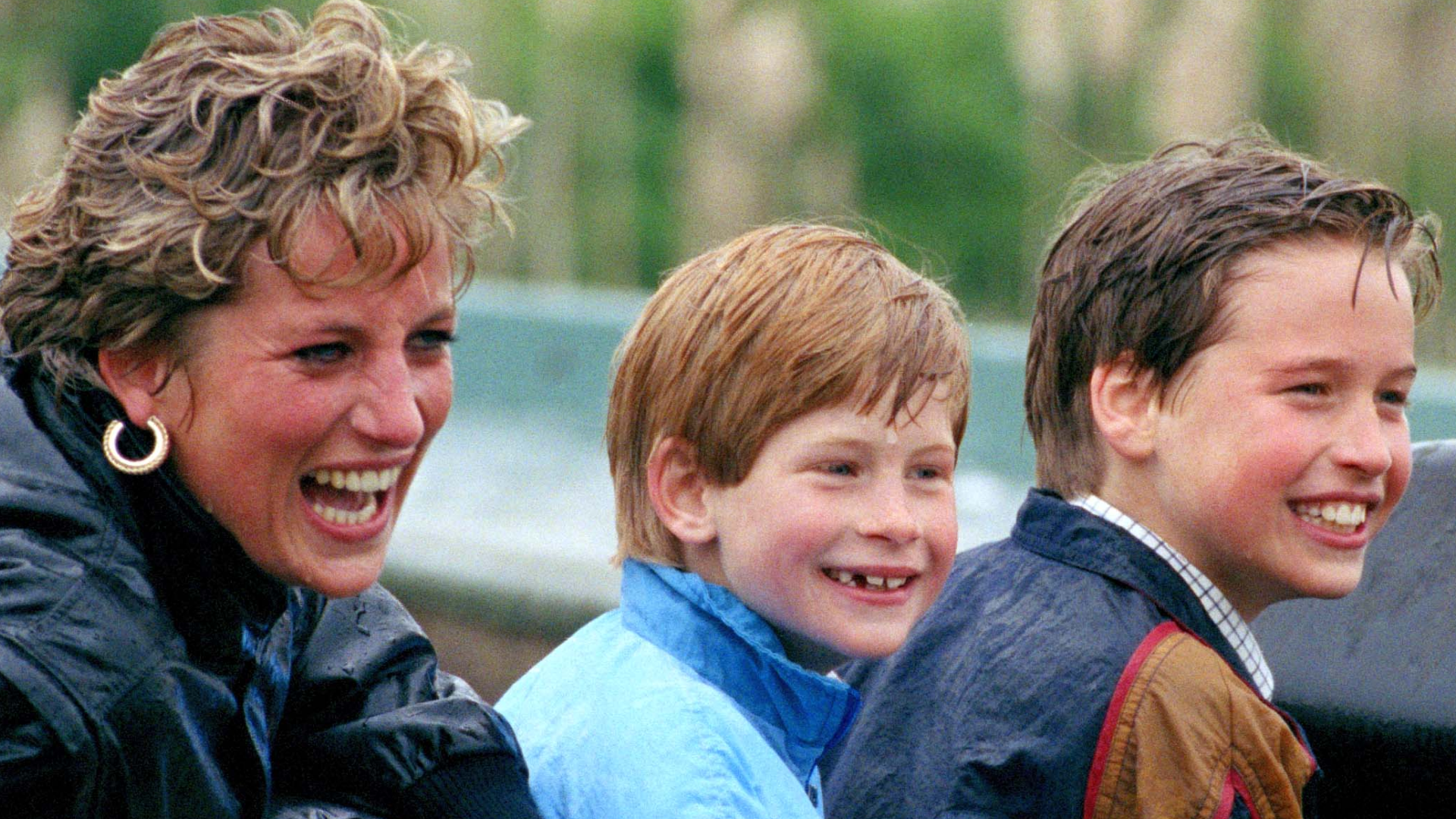
A quiet shift is taking place within the monarchy, one that speaks more to emotional maturity than political maneuvering. King Charles has reportedly "raised no objection" to a new tribute honoring Princess Diana's legacy as the 30th anniversary of her death approaches, and in that simple act of permission, we see something rare: a king who understands that legacy is not a threat to his reign, but a foundation for it. This is not a story about royal drama; it is a story about grace under pressure, and about a family learning that honoring the past does not diminish the present.
For our readers who follow the subtler currents of power and self-possession, this moment carries a specific weight. Charles Spencer recently reflected on Charles Spencer On the Quiet Weight of Royal Legacy, noting how the reception to his own work differs across continents, a reminder that Diana's story remains a living, breathing narrative, not a closed chapter. Meanwhile, the layers of her private world continue to fascinate, as explored in Inside Diana's Secret World of Intrigue and Quiet Rebellion, where her conviction in her own path became her quiet rebellion. Against this backdrop, Charles's decision to allow a tribute feels less like a concession and more like an acknowledgment that true confidence does not need to guard the past; it integrates it.
What makes this noteworthy is the contrast with the more public tensions that have defined the family's relationship to heritage. A recent piece on A quiet rift in royal heritage: heir and king diverge on modern meaning highlighted how the current heir and the king hold diverging views on symbolism and modern ethics. Here, however, Charles chooses alignment over division. He does not seek to control Diana's memory or diminish its resonance; he simply steps aside. It is a gesture of quiet confidence, the kind that does not need to announce itself, but is felt nonetheless.
The concrete detail to watch is how Prince Harry's planned documentary will interact with this official tribute. If Charles's approval signals a willingness to let Diana's story be told without interference, it raises a genuine question: will the documentary reflect that same spirit of integration, or will it amplify the rift? The answer will tell us whether this moment of permission becomes a bridge or merely a pause between battles. For now, we observe a king who, for once, lets the palace move without him at the center, and that, in itself, is a tribute worth noting.