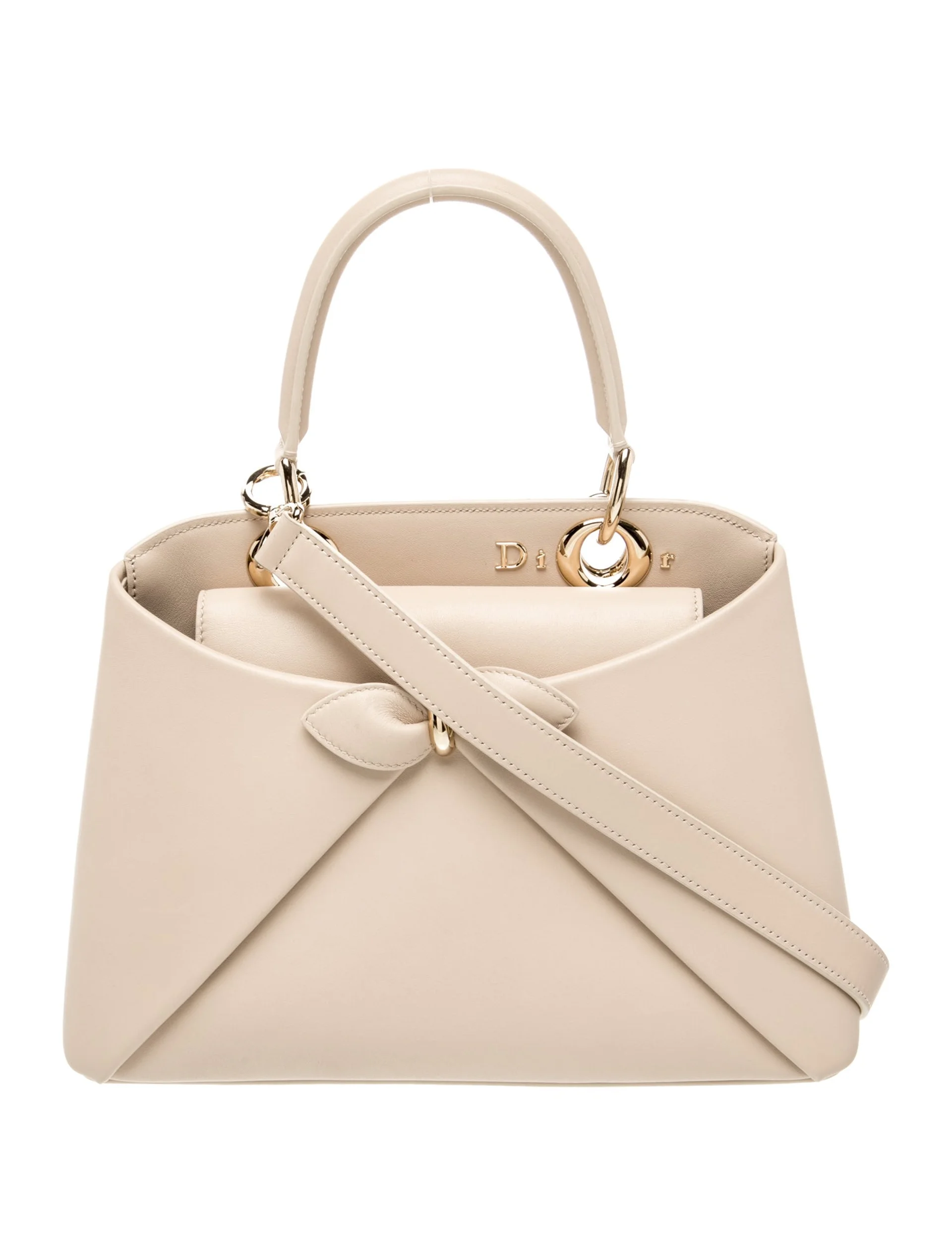
There is something deeply intentional about a gesture so subtle it almost escapes notice, and that is precisely why the Princess of Wales's custom Dior Cigale bag matters. The bag itself, a quiet nod to India through traditional craftsmanship on its handle, handmade in the country for the Earthshot Prize, was not even visible in photographs from the Children's Earthshot awards. It exists as a story, a whispered detail shared by the Daily Mail's royal editor, and that restraint is the point. In a world where luxury often announces itself, Kate chose the opposite: a piece that speaks only to those who pay attention.
This approach mirrors the tension we explored in One quiet detail that redefines an entire winter look, where a single refined element transforms an entire ensemble. Here, the detail is not just aesthetic but diplomatic. The Cigale bag, designed by Jonathan Anderson for Dior, takes its shape from Christian Dior's autumn/winter 1952-1953 La Cigale dress, but the handle tells a different story, one of Indian artistry woven into a French icon. It is a fusion that feels less like a statement and more like a conversation, the kind of cross-cultural respect that cannot be shouted. And that is exactly what makes it so powerful for the Earthshot context, a prize built on innovation and global care. Compare this to A Reliable Royal Gesture Meets Earthshot Innovation in Windsor, where the Prince of Wales connected with a winner through a simple, human moment. Both gestures, William's relatability and Kate's hidden bag, work because they prioritize substance over spectacle.
What this means for us, as observers of style and intention, is a lesson in how power operates when it is truly secure. The Princess of Wales has worn Dior precisely once, a ballet pink blazer and tulle skirt for a state visit in 2025. She is not a house ambassador. She does not need to be. By commissioning a custom piece for a specific purpose, honoring India during a visit tied to environmental hope, she uses fashion as a tool of connection, not advertisement. The bag's absence from photographs only deepens its meaning: it was made for the moment, not for the archive. This is the same quiet confidence we see in figures who understand that luxury is felt, not performed. The question now is whether the Cigale will reappear in Britain, or whether it was always meant to remain a memory of Mumbai. Either outcome tells us something about how the Princess chooses to wield her influence, one handcrafted detail at a time.