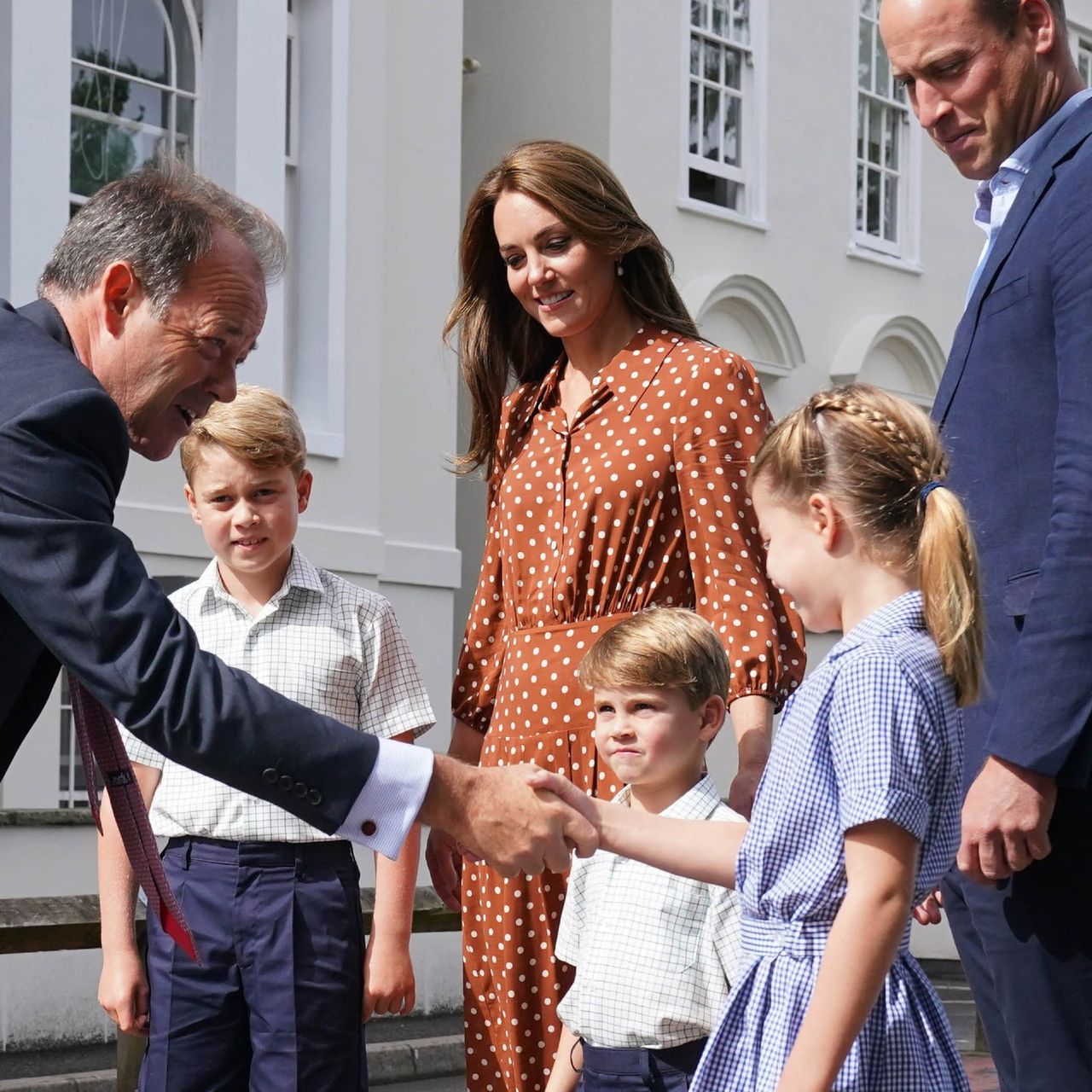
There is a particular kind of power in not needing to prove anything. The reports from Lambrook School paint a picture of the Prince and Princess of Wales as deeply involved parents, the kind who show up, who plan, who care about the guest list and the party favours. For a future king, the instinct might be to lean into grandeur, to let the occasion announce itself. Instead, they have chosen something quieter. It is a reminder that luxury, much like confidence, is often most felt in the details no one sees. This is the Middleton way: a deliberate, unshowy competence that suggests the occasion is for the child, not for the crown. It echoes the sentiment we explored in The Quiet Confidence of Knowing When to Walk Away, where the strength lies in not performing for anyone.
We would tell our reader this: the real story is not the birthday itself, but the philosophy it reveals. There is a growing fatigue with the performative, with the sense that every gesture must be broadcast to be valid. Here, we have a counterpoint. The Middletons are demonstrating that a life of intention is its own aesthetic. It is the difference between a home that looks like a magazine spread and one that feels like a home. The former is for others; the latter is for the people in it. This is not about being casual or lowering standards. It is about understanding that the most memorable moments are often the most intimate, the ones that are not designed for public consumption. It is a lesson in holding your own centre, a theme that resonates with the story of Diana, Drawn to Reinvention, Received a Proposal from Across the Atlantic, where a life was defined by a constant, restless search for a self that was not dictated by expectation.
What is striking is the consistency of it. This is not a one-off gesture for the cameras. It is a pattern of behaviour, a way of being that has been reported on for years. It suggests a woman who is not swayed by the noise, who has found a rhythm that works for her family and is comfortable in it. That comfort is aspirational in itself. It speaks to the quiet authority we often write about, the one that comes from knowing what you value and acting accordingly. When you see a royal birthday handled with such understated grace, it recalibrates your own standards. It asks a simple question: what would happen if we all put that much considered effort into the private moments, rather than the public ones? The answer, perhaps, is found in the lingering idea of A Lingering Wish: Exploring King Charles’ Enduring Hope, a wish for a different kind of legacy.
The takeaway for us is not about party planning. It is about the discipline of restraint. The specific detail to watch is not the next birthday, but the next quiet decision that feels refreshingly small for a life that is anything but. That is the true measure of a modern confidence: the ability to make a moment feel like it belongs to you, and only you, even when the whole world is watching. That is a lesson in taste that has nothing to do with labels and everything to do with self-possession.