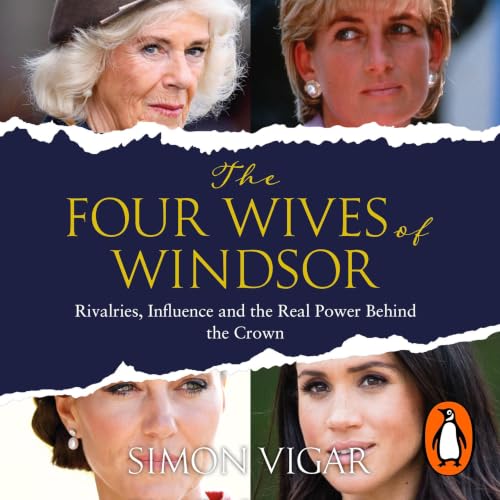
There is a particular kind of power that never needs to raise its voice. It moves through a room, or a dynasty, and quietly changes the temperature. The conversation around the Royal Family often centers on tradition, duty, and the weight of history, but the biographer's observation cuts deeper. It suggests that the most enduring contribution of the one who married in was not a title or an heir, but a lesson in emotional accessibility. She made the crown feel human. Not by diminishing its mystique, but by proving that relatability and reverence are not opposing forces. She understood that to be seen as warm is not to be weak, and that true confidence is often the quietest presence in the room.
This is something we recognise in our own lives, particularly in the way we navigate our own public and private selves. There is a parallel here to The Quiet Confidence of Knowing When to Walk Away, where the act of leaving is framed not as a failure, but as a form of self-respect. That same energy applies to the royal narrative. The person in question did not need to shout her relevance into existence. She simply showed up, with a sincerity that disarmed a skeptical public and a media machine that often devours its subjects. Her influence was not in grand gestures, but in the small, deliberate choices she made to connect. It is a reminder that authority does not have to be distant to be respected, and that true grace is often found in the spaces between expectation and instinct.
For our readers, the takeaway is more practical than it might first appear. We often think of influence as something that belongs to the loudest voice in the room, but this story suggests otherwise. The biographer's point is a quiet invitation to reconsider how we show up in our own spheres. You do not need to perform your confidence; you can embody it. You can be the person who makes others feel seen, not because you are the centre of attention, but because you are fully present. This is the same thread that runs through Prince Harry Reflects on a Joyful Return to British Soil, where the idea of returning to a familiar place is less about geography and more about reconnecting with a version of oneself that feels authentic. It is not about the crown, the title, or the institution. It is about the person inside the role, and how they choose to carry themselves.
What we would tell a reader who asked us about this is simple: watch the way people make you feel, not the way they make you look. The royal in question built her legacy on the former. She did not need to chase relevance because she was already present in the most meaningful way possible. The question her story leaves us with is not about the monarchy at all. It is about the quiet influence we each hold, and whether we have the courage to use it with the same gentle, unshakeable certainty. The detail to watch is not the next headline, but the way she made the crown feel like a place where a human heart could still beat.