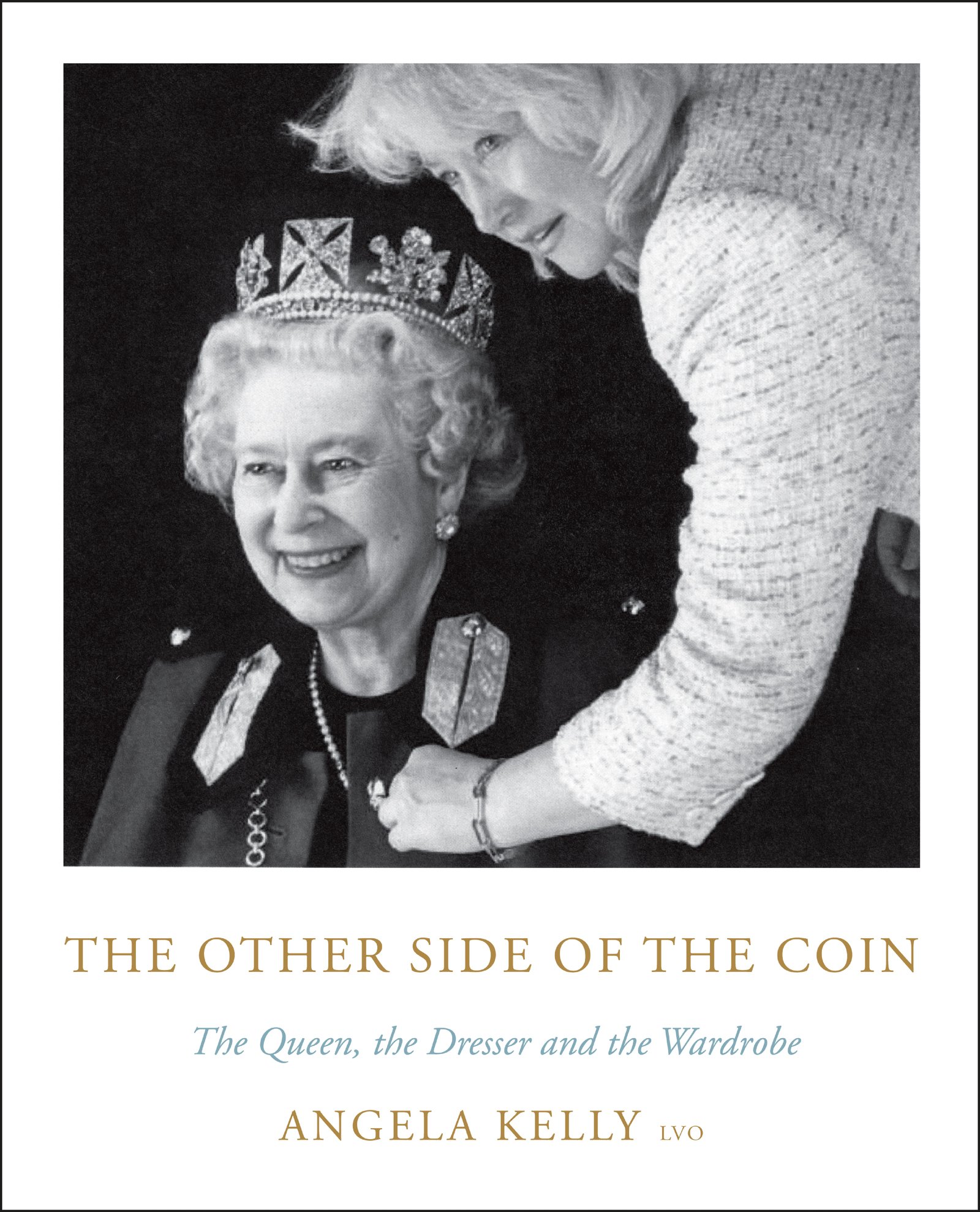
The King was unhappy. That small, loaded phrase arrives without fanfare, yet it carries the weight of an institution that has built its survival on the quiet absorption of feeling. A new report tells us that Charles was particularly upset when one of his late mother's former employees crossed some unspoken line, and the detail lands with a familiar thrum. We have seen this before, the friction between personal sentiment and public duty, the way a monarch's inner life becomes a subject of fascination precisely because it is so rarely revealed. It is a story about the cost of a life lived under observation, where even displeasure must be measured, timed, and eventually folded back into the fabric of expectation.
For our readers, this is not gossip for its own sake. It is a reflection of something we all navigate, the gap between how we feel and what we allow others to see. Chiara's world has always been one of curated restraint, where a glance or a pause speaks louder than a declaration. The King's reported upset is a reminder that even those born into the most public of roles are not immune to the ache of being misunderstood or, worse, being seen but not known. Consider the thread that connects this moment to Diana, Drawn to Reinvention, Received a Proposal from Across the Atlantic, where reinvention was not a choice but a survival instinct. Or A Lingering Wish: Exploring King Charles’ Enduring Hope, which suggests that some desires never fade, they merely learn to burn quietly. And then there is A Royal Style Shift: When Diana’s Choice Met Quiet Disapproval, a story where a single look said everything and nothing at once. These are not separate anecdotes; they are chapters in the same unspoken novel about what it means to carry a legacy while longing for a private self.
Our honest take is this: the report tells us less about the Palace and more about our own discomfort with emotional opacity. We want our royals to feel, but not too loudly; to be human, but never messy. When Charles is described as unhappy, we are given a single frame and asked to fill in the rest. But the real insight is not in his reaction. It is in the discipline required to keep moving forward, to smile at the next engagement, to sign the next document, while a small part of you remains tethered to a moment of personal disappointment. That is a skill we could all borrow. The takeaway worth quoting: "Displeasure, when held with dignity, becomes a form of self-respect rather than a weapon."
What would we tell a reader who asked us about this? We would say: watch what is not being said. The King's upset is a rare crack in the facade, and cracks are where light gets in. But do not mistake the glimpse for the whole. The story is not about whether he was right to be upset; it is about how he chooses to carry it. The detail to watch is whether this moment softens into understanding or hardens into a lesson about loyalty and expectation. Because in a life where every expression is catalogued, the most radical act is not rebellion. It is the decision to feel something, and then to choose, deliberately, what happens next. That is the quiet luxury of the soul, and it is the only inheritance that truly matters.