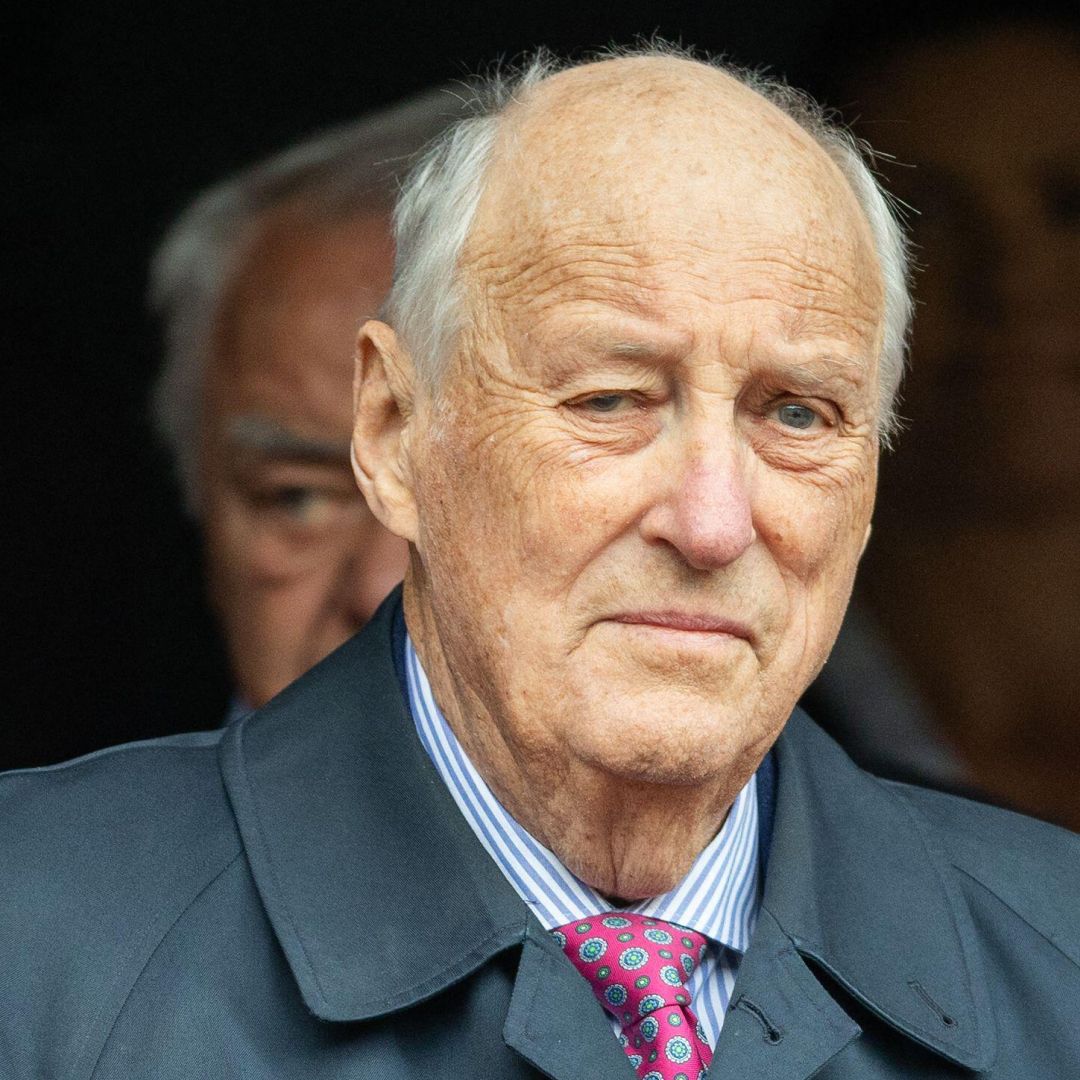
There is a particular silence that follows the passing of a sovereign. It is not the silence of absence, but of transition, a held breath between what was and what is yet to be. King Harald V of Norway died on August 28 at the age of 89, and with him, Europe's oldest-reigning monarch has slipped into history. The announcement from the royal court was measured, dignified, and utterly in keeping with the man who spent over three decades on the throne. He did not reign with flourish or fanfare, but with a quiet steadiness that felt almost radical in its constancy. We are not here to eulogize him in the traditional sense, but to reflect on what his reign meant, and more importantly, what his absence signals for a world that is already so uncertain.
The news carries a weight that extends beyond Norway's borders. It lands in a moment when the concept of monarchy itself is being renegotiated in real time. Across the North Sea, we see the echoes of this in the gentle, persistent hope that A Lingering Wish: Exploring King Charles’ Enduring Hope represents, a desire for continuity that burns softly but refuses to be extinguished. And yet, there is also a more brittle reality, one visible in the A Royal Disappointment: Changes at Buckingham Palace Stir Concern where the machinery of royalty feels less like a sacred institution and more like a poorly managed estate. King Harald was the last of a generation that reigned with an innate sense of duty, a man who understood that true authority is not held, but embodied. He was not a figure of spectacle; he was a presence, and his passing feels like the closing of a chapter that we did not realize we were still reading.
For our readers, this is not merely a news bulletin. It is a moment to consider the architecture of legacy. King Harald's reign was not defined by grand gestures, but by his ability to modernize gently, to remain relevant without sacrificing the gravitas of his office. He understood, perhaps intuitively, that the crown's power lies in its restraint. This is a lesson that transcends borders and titles. In our own lives, we are often seduced by the loud, the immediate, and the performative. We are told that influence is about visibility, but the king's example suggests otherwise. True confidence, the kind that does not need to announce itself, is quiet. It is the calm authority of someone who knows exactly who they are, and who does not require the world's approval to exist. That is a form of power that is both rare and profoundly attractive.
The question now is not who will wear the crown, but what the crown will mean in a future that is being written daily. There is a practical takeaway here, one that feels almost subversive in its simplicity. As we navigate our own transitions, whether personal or professional, we would do well to remember that our greatest impact is often felt in the moments we do not orchestrate. The king's legacy is not in the laws he signed or the ceremonies he attended, but in the atmosphere of stability he cultivated. He showed us that leadership is not about being the loudest voice in the room, but about being the one who holds the space. As Norway looks forward, we will be watching to see if the new reign can carry that same quiet gravity, or if the future will demand a different kind of royal presence. Watch for the first official portrait, the first state visit, the first subtle shift in tone. The details will tell us everything.