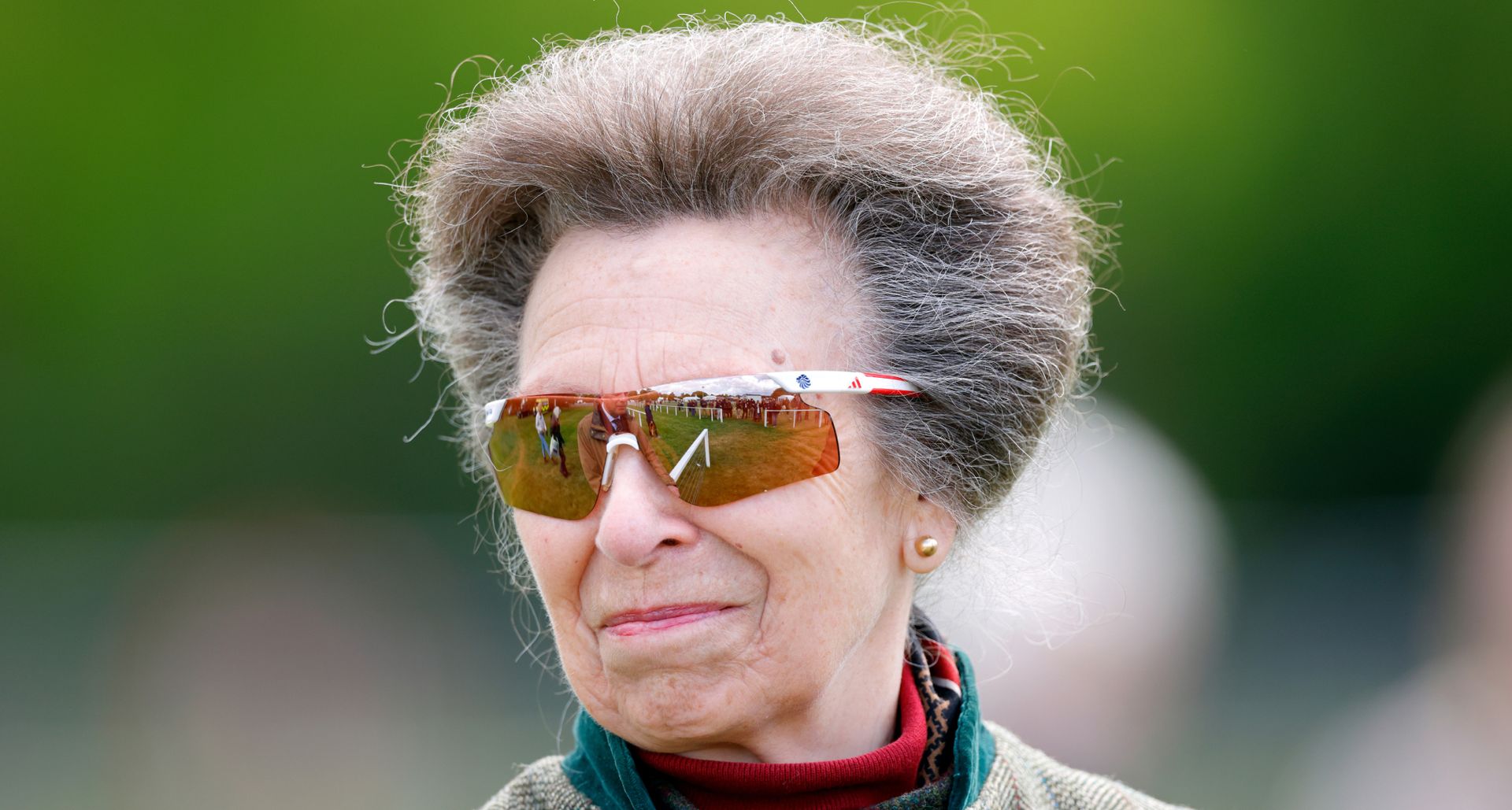
There is a quiet power in knowing exactly who you are, and Princess Anne has always embodied that with an ease that feels almost hereditary. Darren McGrady, the former royal chef, recently affirmed what many have long suspected: the Princess Royal's famously direct, no-nonsense character is a mirror of her father's. When Charles Spencer recounted being made to "feel small" by Anne's withering response to a simple question about a christening, McGrady simply called it "typical" and added, "Her father's daughter." We agree completely, and there is a lesson here for anyone navigating the tension between social performance and authentic selfhood. Princess Anne does not perform; she simply *is*, and that unwavering self-possession is what elevates her beyond mere royal duty into something more like a modern archetype of quiet confidence. It is the same quality we admire in figures like Zara's quiet essentials become a study in refined styling, where understatement becomes a statement in itself.
What makes Anne's directness so compelling is not the sharpness of the remark itself, but the complete absence of apology that follows it. When an official asked her how her flight had been, she reportedly replied, "Have you ever flown before? It was like that." There is no cruelty here, only a refusal to engage with the hollow pleasantries that so often pad our daily interactions. She does not seek to wound; she simply declines to pretend. In a world that rewards constant curation and careful politeness, her approach feels almost radical. This is not the cold distance that sometimes isolated Diana, as explored in Kate's quiet advantage: a future queen freed from Diana's isolation, but rather a different kind of boundary, one rooted in self-containment rather than vulnerability. Anne's power lies in her refusal to over-explain, to soften her edges for the comfort of others. It is a distinctly feminine strength that does not perform for approval.
We see this same energy echoed in the modern royal who embodies it best, as noted in King Charles's former butler crowns one royal the modern Princess Anne. The lineage of this unshakeable presence is clear, and it reminds us that character is often inherited not through titles, but through temperament. What McGrady's observation subtly reinforces is that Princess Anne's directness is not a flaw to be smoothed over, but a signature. It is the same quiet authority that allows her to move through royal life without the noise of constant explanation. For our readers, the takeaway is practical and pointed: the next time you feel the pull to fill a silence with something you do not mean, remember the Princess Royal. There is nothing rude about refusing to perform. There is only the quiet dignity of staying true to your own rhythm, even when the table expects small talk.