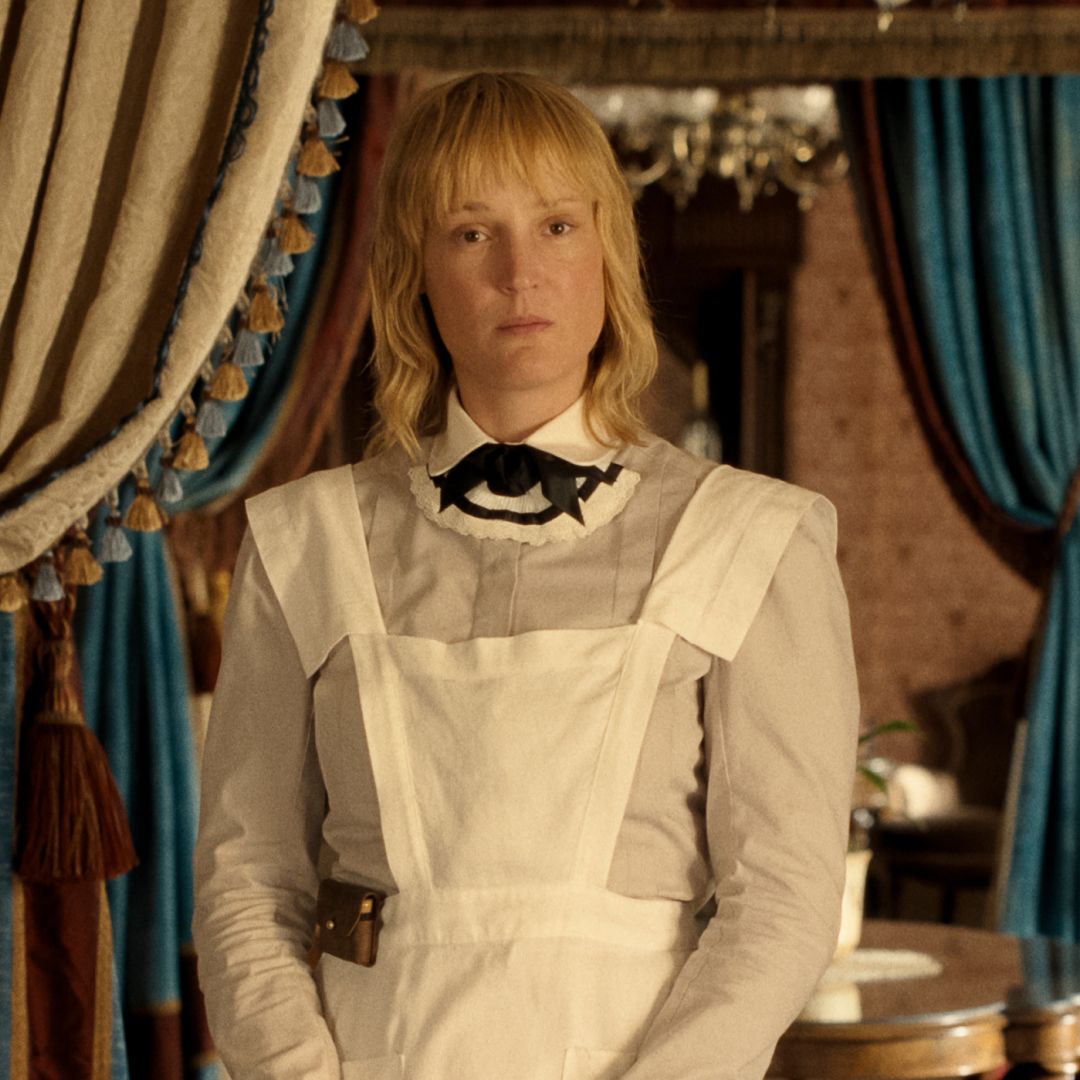
Some stories refuse to stay solved, and the Borden case is one of them. We have picked at the edges of that 1892 Fall River house for over a century, looking for the one detail that will make sense of the bloodshed. Ryan Murphy's latest true-crime series steps past the obvious suspect to look at the woman in the shadows: Bridget Sullivan, the housemaid, played with a quiet gravity by Vicky Krieps. The show leans into the rumor that has followed Bridget for generations, that her relationship with Lizzie went beyond employer and servant, that she knew more than she ever said. It is a compelling angle, but it is also a risky one, because the line between historical fact and narrative invention has always been dangerously thin here.
We have seen this tension before in our own coverage. When we looked at Beyond Lizzie Borden: Unraveling the Story of Actress Nance O’Neil, we noted how the Netflix show blurs fact and fiction, presenting a relationship that likely existed but whose true nature we can never verify. And in From Grief to Glory: Mariana Khalil's Unprecedented Ascent in 'Physical 100', we saw how a public narrative can be shaped as much by what we project onto a person as by what they actually did. Bridget Sullivan is the ultimate projection. She was there, in the house, on the morning of the murders. She saw the aftermath. She gave testimony. And then she vanished from the record, leaving only rumors and a lifetime of silence. That silence is what makes her so irresistible to storytellers. We want to fill it, to give her motives and desires she may never have had, to make her a central player in a drama where she was likely just a terrified witness.
But here is where our take turns more deliberate. The fascination with Bridget is not really about her. It is about our discomfort with the unknowable. We want every murder to have a clean solution, every suspect to have a clear motive, every maid to have a secret affair with the lady of the house because that feels like a story. The reality is messier. Bridget testified against Lizzie, then left Fall River and never spoke publicly about that morning again. Krieps has called the role a challenge because she had so little to work with, just a name and a testimony and a century of speculation. That restraint is exactly what makes the performance feel modern. She is not playing the solution to a mystery. She is playing a woman who lived through something unspeakable and chose to carry it quietly.
What we would tell a reader who asks us about this series is simple: do not watch it for answers. Watch it for the space between the facts. The show is less interested in whether Bridget and Lizzie were lovers than in what it means to be a woman in a house where violence happens, where you have no power, where your survival depends on knowing when to speak and when to stay silent. That feels relevant in a way that the gore of the original crime never does. The takeaway is not about the affair rumor, which remains unproven and likely unprovable. It is about how we treat the women who stand closest to violence without being the ones who commit it. We give them secrets because we cannot bear their ordinariness. We make them muses of the macabre because we cannot sit with their fear. The detail to watch is not what Bridget does in the show, but what she refuses to say. That silence is the most honest thing in the whole story.