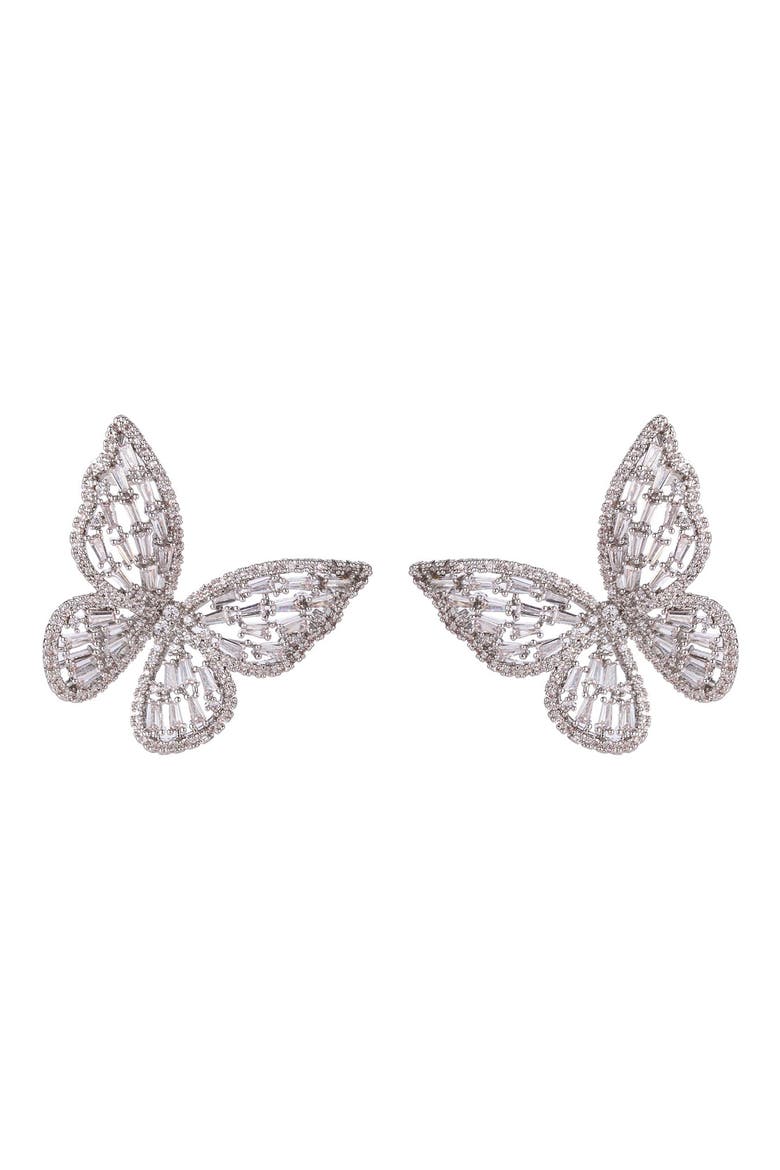
There is something quietly powerful in the way Meghan Markle chose to honor Princess Diana at the David Foster Foundation gala, not with a grand statement, but with a subtle spark of butterflies in diamonds. It feels less like a tribute and more like a conversation, a whispered acknowledgment between two women who never met but share a thread of understanding. We think this is exactly the right kind of homage: restrained, personal, and deeply felt. For our readers, the takeaway is simple yet significant: elegance in remembrance is not about volume, but about intention. Meghan's choice reminds us that the most meaningful gestures often speak softly, and that carrying someone forward can be as delicate as a pair of earrings catching the light.
Diana was only nineteen when she entered royal life, a detail that has always shaped how we see her story, as noted in our piece on At nineteen, she entered royal life on her own terms. That youth, that sudden immersion into a world of expectation, is part of what made her later grace so compelling. Meghan's nod to her mother-in-law feels weighted with that history, a silent recognition of a path walked under very different circumstances. It is not lost on us that Diana's legacy has been filtered through the very public lens of her sons, and now, through the women they chose. Our related reflection on Earl Spencer Reflects on His Nephews' Response to His Memoir shows how the family continues to process that legacy, and Meghan's jewelry becomes another layer in that ongoing narrative.
What strikes us most is the restraint. In an era where public gestures are often loud and performative, Meghan's choice to wear Diana's diamonds feels like a quiet refusal to over-explain. It is a statement of belonging, yes, but also of self-possession. She does not need to tell us what it means; the meaning is in the wearing. This is a lesson in confidence, the kind that does not seek approval but simply exists. And it connects to a deeper truth about how we carry our own histories: not always in grand tributes, but in the small, deliberate objects we choose to keep close. The butterfly, after all, is a symbol of transformation, and there is something fitting in seeing it pass from one generation to the next. We are left wondering, then, what future moments will see these pieces come out again, and what new stories they will tell. That is the detail worth watching, not for the spectacle, but for the quiet continuity it represents.