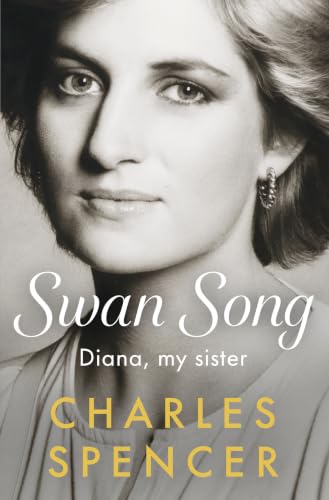
There is something quietly powerful in watching a man choose his words with care, especially when those words concern the people he loves most. Charles Spencer's new memoir, *Swan Song: Diana, My Sister*, is not a tell-all in the tabloid sense, and his recent reflection on how his nephews responded to it confirms that. He has said it was "really important" to him that the public understood Prince William and Prince Harry in a particular light, and that intention changes the texture of the entire book. This is not a man performing grief for attention; it is a man curating a legacy with the same restraint he applies to his own public life.
The reaction of his nephews, William and Harry, matters here because it speaks to something deeper than family dynamics. It speaks to the weight of shared history, and how the people left behind carry that history forward. Charles Spencer has always moved through the world with a certain quiet authority, and this memoir feels like an extension of that. He is not shouting about the past; he is folding it into the present with deliberate care. For our readers, the takeaway is practical: when someone close to you writes about your family, the way they frame it changes everything. Spencer understood that, and he acted on it. That is not just admirable; it is a lesson in emotional intelligence.
This is where the story connects to the broader royal narrative we have been following. Prince William Holds His Ground on a Royal Rift shows a man who has made his position clear, and The Calm Authority Behind William's Future Reign paints him as someone preparing for a role that demands exactly this kind of steadiness. Spencer's approach to his memoir mirrors that same energy. He is not asking for a reaction; he is simply stating what he believes needs to be said, and letting it sit. That is the mark of someone comfortable with their own choices, whether in a palace or in a family living room. The connection is not accidental. It is the same thread of composed, intentional self-expression running through all of it.
What stands out most, though, is the emotional honesty underneath the polish. Spencer did not need to write this book, and he certainly did not need to reflect publicly on his nephews' responses. That he chose to do both suggests a man who values clarity over comfort. He is not chasing headlines; he is managing a narrative with the calm precision of someone who has spent decades learning when to speak and when to stay quiet. For our readers, the concrete point to watch is how William and Harry's own public actions evolve in the coming months. If they respond with the same measured grace Spencer displayed, it will tell us more about the family's internal resilience than any interview ever could. That is the detail to hold onto, not as a prediction, but as a quiet confirmation that some legacies are built on intention, not volume.