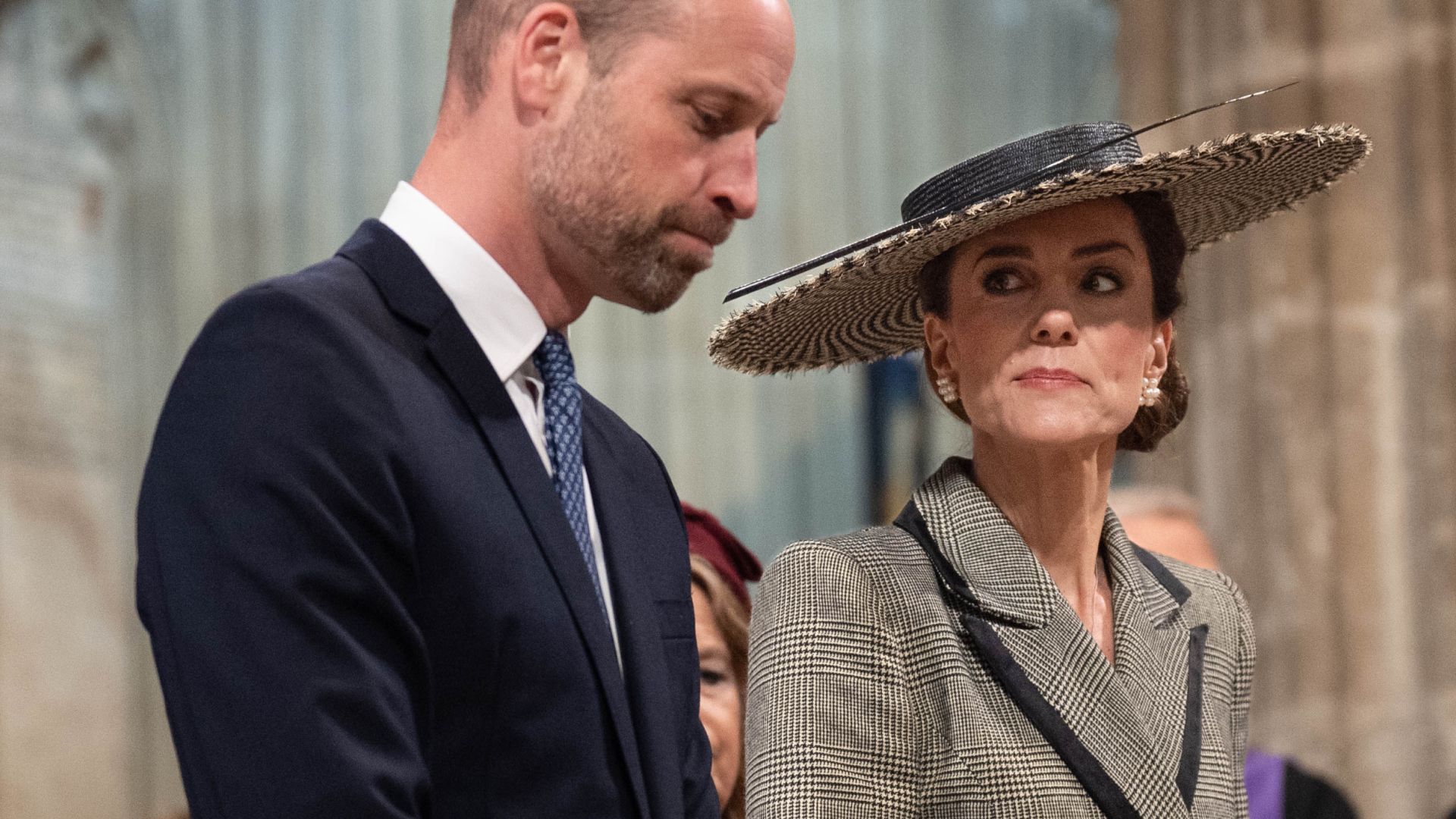
There is a particular kind of power that does not need to raise its voice. Prince William appears to understand this instinctively, carrying himself with a quiet authority that feels less like ambition and more like acceptance of a role he has prepared for his entire life. The article notes his commitment to two unofficial mottos: Keep Calm and Carry On, alongside Never Complain, Never Explain. These are not just royal clichés; they are a psychological framework. In an era defined by constant self-narration and public performance, William's restraint reads not as coldness, but as a deliberate, almost meditative form of confidence. He is not preparing for the crown by seeking it; he is preparing by embodying the stillness that the role demands.
This approach resonates because it mirrors a shift we see in our own lives. The loudest voices in the room are rarely the most secure. William's path suggests a different kind of leadership, one rooted in emotional steadiness rather than reactive declarations. His position on certain family rifts, as covered in our piece on his quiet conviction, shows a man who understands that holding a boundary is not an act of aggression, but of self-respect. He is not swayed by public pressure or the noise of commentary. For our readers, there is a practical lesson in this: true authority is often the ability to sit with discomfort without needing to explain it away. It is the confidence to let your actions carry the weight that words sometimes cannot.
There is also a poignant continuity here, a thread that connects his mother's legacy to his own quietude. The memory of Diana lingers, and the recent recollection of Elton John's reinvented farewell serves as a reminder that grace often comes from adapting rather than forcing. William seems to have absorbed this lesson. He is not trying to modernize the monarchy by shouting for relevance; he is modernizing it by demonstrating that consistency and emotional intelligence are themselves radical acts. Even the late Queen, who was known for her own quiet confusion at a world moving faster than she could comprehend, would likely recognize the strength in his patience.
What we find most compelling is not the question of policy or public opinion, but the inner architecture of a man who has decided that his peace is non-negotiable. He is not preparing for a reign of spectacle, but one of steadfast presence. The specific consequence to watch is whether he can maintain this calm authority as the weight of expectation intensifies. If he does, he will not just be a king; he will be a study in the power of a grounded soul. The takeaway for anyone paying attention is simple: composure is not the absence of pressure, but the refusal to let it dictate your character. That is a crown worth wearing.