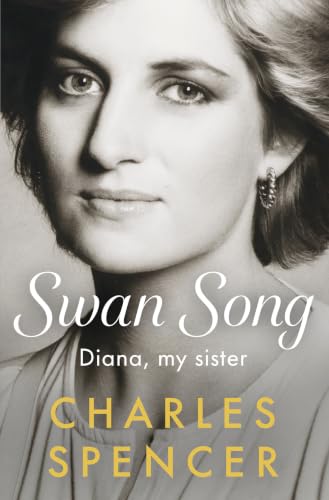
There is something quietly profound about a song being set aside, then reshaped into a farewell. Charles Spencer's account of Elton John's original plan for Princess Diana's funeral reminds us that even the most public grief requires intimate, intentional choices. The pop singer had prepared one piece, only to pivot to a reinvented "Candle in the Wind", a version that would become inseparable from the memory of that day. It is a detail that speaks to the weight of knowing when to hold a gesture and when to let it transform.
This story resonates beyond the royal archive. It echoes a theme we see in Royal experts see Princess Kate's star power as a quiet echo of Diana's grace, where grace is not performed but felt in the restraint of a single moment. Diana's brother captures that same sensibility in his book: the private negotiations behind a public ceremony, the instinct to read a room even when the room is the world. A quiet confidence once held the key to a royal legacy explores how composure, not spectacle, often carries the most lasting power. Here, Elton John's change of heart is not a footnote; it is a quiet lesson in emotional intelligence.
What strikes us most is the intentionality behind the shift. A lesser story might focus on the original song being rejected. Spencer's telling suggests something more subtle: the artist understood that the moment demanded a different tone. That is the kind of self-awareness we admire, the ability to set aside one's own plan for something truer to the atmosphere. For our readers, the takeaway is clear: the most memorable gestures are not the loudest, but the ones that feel inevitable in hindsight. Whether in style, in relationships, or in how we honour those we have lost, the right choice is often the one we arrive at after listening, not insisting.
What remains to be watched is how this detail reshapes the public understanding of Diana's farewell. Spencer's account adds a layer of humanity to a day already heavy with symbolism. It asks us to consider not just what was performed, but what was almost performed, and why the final version mattered more. For anyone who has ever rewritten a letter, changed an outfit at the last moment, or rethought a gift, this story is permission to trust the edit.