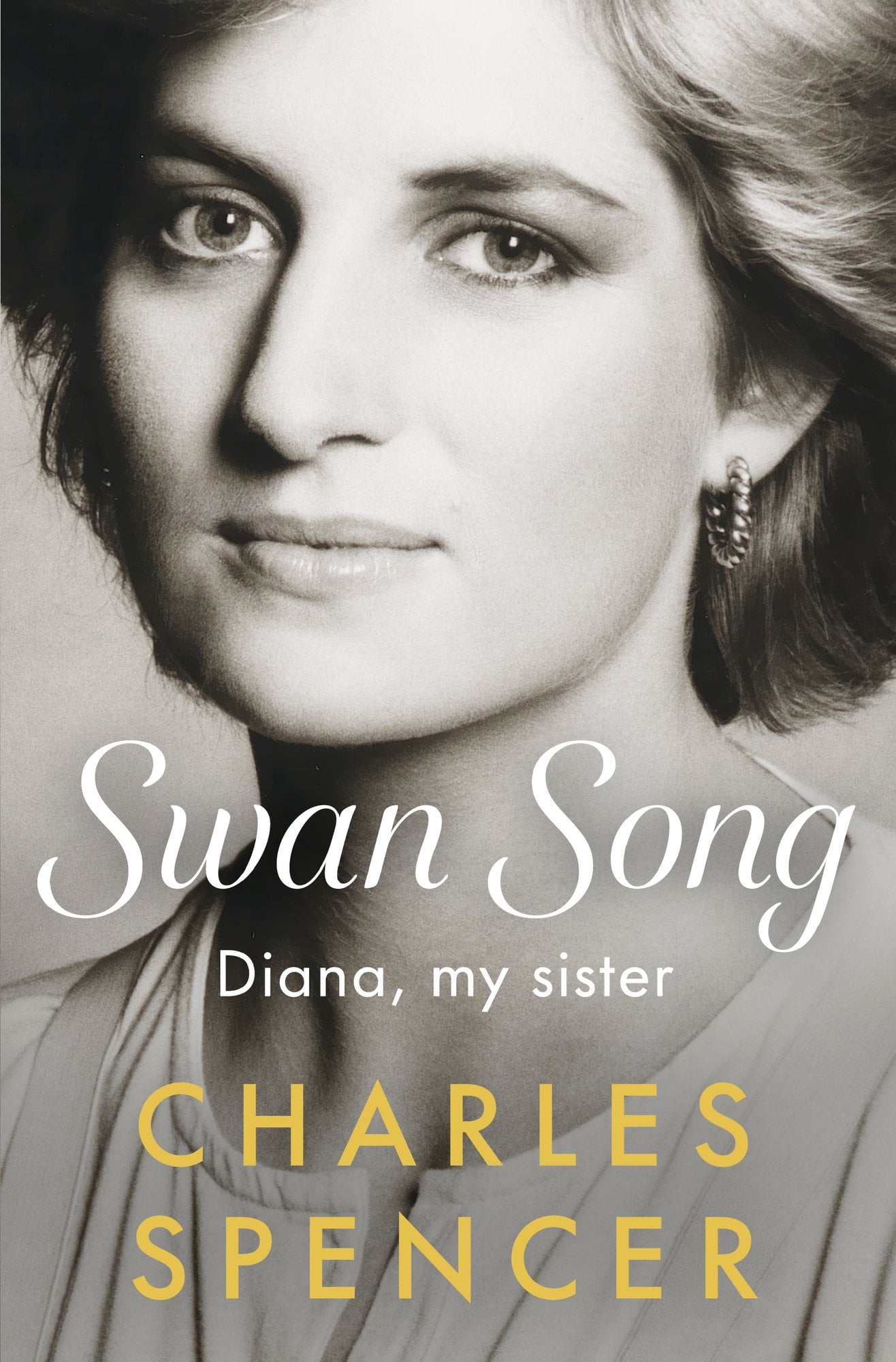
There is a particular kind of power that never needs to raise its voice, and Princess Diana possessed it in spades. As Earl Spencer's new book, *Swan Song: Diana, My Sister*, brings her legacy back into focus, we are reminded that her quiet confidence was never about being the loudest person in the room. It was about an unwavering self-possession that made everyone else adjust their energy around her. This is the same gravitational pull we see in the A Brother's Account of a Sovereign's Misstep After Diana's Fall, where her brother reflects on the late monarch's address as "serious and respectful." It is a fascinating study in restraint, because even in the aftermath of tragedy, Diana's presence demanded a certain decorum that transcended the institution itself. She did not need to perform authority; she simply existed in her truth, and that was enough to unsettle the status quo.
We often mistake confidence for volume, for the ability to command a room with sheer force. But Diana's legacy teaches us something far more intimate: that true assurance is a quiet, internal architecture. It is the kind of self-belief that does not require external validation, because it is built on a foundation of self-awareness. This is the very essence of what we explore in The Unreliable Narrators That Unravel You Slowly, where perception becomes a fragile thing. Diana's life was a study in the gap between public narrative and private reality, and yet she never lost her core. She understood that while others might try to write her story, she alone held the pen to her own soul. This is the takeaway we would offer any reader who asks: you cannot control how the world interprets you, but you can control the quiet certainty with which you move through it.
What strikes us most is not the tragedy, but the grace with which she navigated a system designed to break her spirit. Her confidence was not born of privilege or ease; it was a deliberate choice to remain soft in a world that demanded hardness. This is where the A Quiet Evolution at Sandringham: A King Open to Change becomes a poignant counterpoint. It suggests that even the most rigid institutions can learn to bend, and perhaps that is part of Diana's enduring gift. She did not just challenge the monarchy; she forced it to look inward, to question its own rigidity. Her quiet confidence was not a rebellion; it was a recalibration of what power could look like when it is rooted in authenticity rather than spectacle.
For our readers, the practical lesson is this: confidence is not a performance. It is the ability to walk into a room and know that your presence is enough, without needing to prove it. Diana's story, as told by her brother, is not a eulogy for a lost princess but a masterclass in the art of being. She whispered where others shouted, and in doing so, she echoed louder than any of them. The specific detail to watch, as more layers of her story come to light, is how her stillness continues to move the needle on a global stage. Because in a world that is constantly screaming for attention, the quiet ones are the ones who are truly heard.