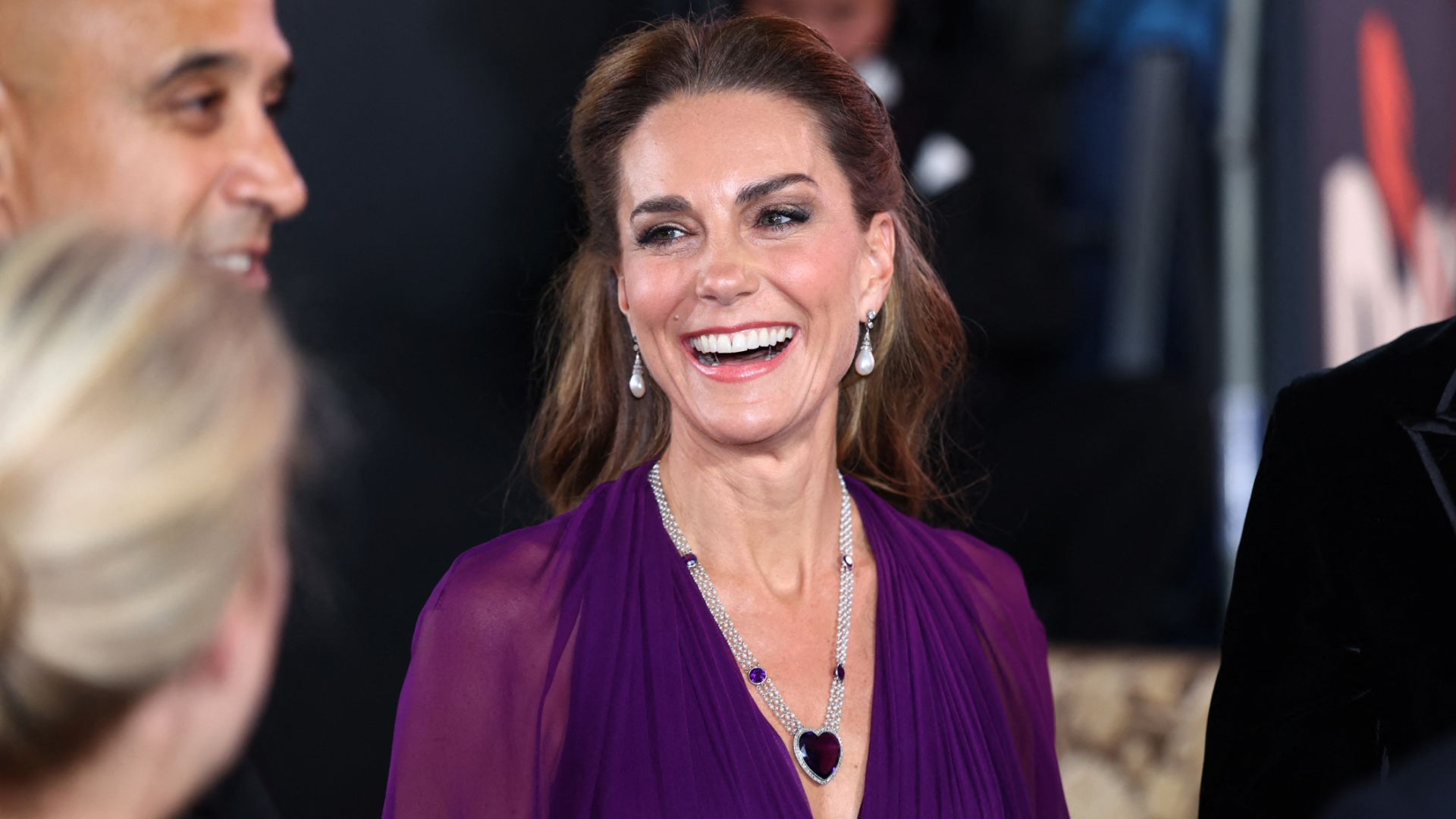
There is a particular kind of power that does not announce itself. It is felt rather than heard, and it lingers long after the moment has passed. The coverage of Princess Kate's star power, framed as a quiet echo of Diana's grace, invites us to consider the difference between presence and performance. Diana commanded the lens with an energy that was both vulnerable and electric; Kate, by contrast, holds the frame still. She does not chase the gaze. She simply inhabits the space, and the gaze follows. This is not a lesser version of the same thing. It is a different register entirely, one that aligns more closely with a modern definition of feminine authority: assured, composed, and deeply intentional.
We see this same quiet authority reflected in the way style is evolving beyond the gym. In The Quiet Appeal of Windbreakers Beyond the Gym, the focus is not on performance but on the understated ease of wearing something that knows its purpose. That same principle applies here. The glamour of a princess is not about spectacle; it is about the quiet confidence of knowing exactly who you are in a given role. Kate's wardrobe choices, her public demeanor, and her measured appearances all communicate the same thing: she is comfortable. There is no effort to prove, only an intention to be present. This is the kind of luxury that cannot be bought, only cultivated.
What makes this comparison to Diana so resonant is not the similarity in style but the difference in emotional architecture. Diana's grace was often raw and reactive. She wore her heart on the outside of her body, which is why the world felt it could touch her. Kate's grace is more contained. It is introspective rather than expressive, which creates a different kind of connection. For our readers, the practical takeaway is this: you do not need to be the loudest person in the room to be the most memorable. Presence, when it is authentic, communicates more than any statement ever could. The same logic applies to how we dress, how we speak, and how we carry ourselves in spaces that demand nothing from us but our full attention.
We would tell any reader who asks about this comparison to stop looking for a winner. There is no competition between Diana's legacy and Kate's evolution. There is only a lineage of how feminine power adapts to the moment. Diana gave the world permission to feel. Kate gives the world permission to be still. One of the most specific consequences of this shift is visible in how Kate has redefined the role of the royal photograph. Where Diana's images often captured a moment of emotion, Kate's images capture a moment of poise. The camera is not catching her off guard. She is already exactly where she intends to be. That is the detail worth watching: the difference between being photographed and choosing to be seen.