There is something deeply reassuring about a royal wedding that nearly falls apart because of two overtired six-year-olds. The image of Prince William of Gloucester and Prince Michael of Kent, having been quietly removed from the festivities after growing "peevish" and almost coming to blows, wrapped in those vast white shawls "like sheltering wings," is not a scandal. It is a relief. It reminds us that even within the most choreographed, tradition-bound ceremony of the twentieth century, human nature, specifically, the nature of a child who has been asked to stand still for too long, will eventually assert itself. This is the quiet truth at the heart of an otherwise flawless day: perfection is a construct, and the moments that crack it are often the most honest.
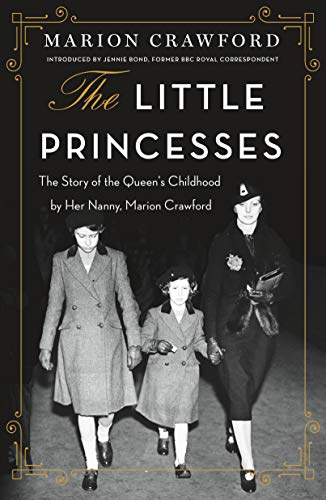
We think often about the pressure of public expectation, and this story from Gyles Brandreth's *Elizabeth: An Intimate Portrait* offers a rare, unguarded glimpse behind the veil. The young princes were borne off, but not before they had made their ceremonial bows to the King and Queen. Before the breakthrough, she trusted the silence that followed. That quiet discipline, manners taught young, as nanny Marion Crawford noted, is not about suppressing feeling. It is about learning to move through it with grace, even when you are five years old and thoroughly overtired. For the modern woman, the takeaway is not about royal protocol. It is about permission. Permission to acknowledge that composure is not the absence of struggle, but the choice to bow before you are carried away.
What resonates most is the restraint of the scene. No harsh words, no public embarrassment. Just the quiet, swift intervention of the nannies, who seemed to know exactly what was needed. This is the same kind of intentionality we admire in a Princess's Quiet Nod to India Through a Custom Earthshot Bag, a gesture that says everything without raising its voice. The young princes were not shamed for their peevishness; they were enveloped, removed, and allowed to reset. That is a form of leadership, too. It suggests that the highest form of authority is not the one that shouts, but the one that quietly, firmly, knows when to step in.
The concrete point to sit with is this: even on the most celebrated day of her life, the future Queen's wedding was shadowed not by a political crisis, but by two little boys who simply had enough. It is a detail that humanises an icon, and it shifts the question for us. When we are building our own lives, curating our image, managing our households, presenting our most polished selves, are we allowing room for the peevish moment? Or are we so intent on the picture that we forget the people in it? The nannies had their shawls ready. The question is whether we have prepared our own version of that sheltering wing.