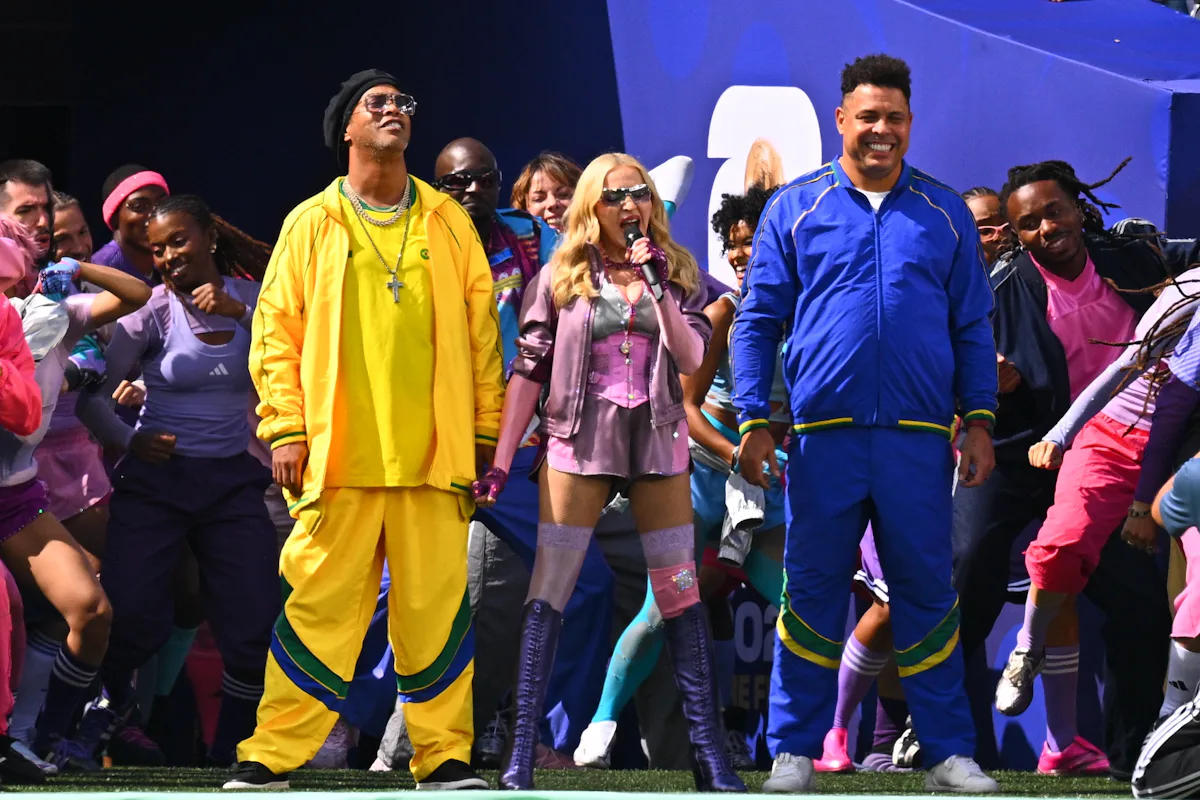
There is a particular kind of power that arrives without announcement. It does not need a booming introduction or a wardrobe that screams for attention. This year's FIFA World Cup Halftime Show, held at MetLife Stadium as Spain and Argentina faced off, understood that assignment perfectly. The performers were not merely filling time; they were curating a mood. Madonna, Shakira, Justin Bieber, and others took the field not as entertainers performing a service, but as muses who understand that the most memorable moments are the ones that feel both inevitable and entirely fresh. It was a masterclass in presence, a quality that transcends the music itself.
For our readers, this is where the lesson lives. We often talk about style in the context of a garment, a silhouette, or a specific designer. But true style is a byproduct of self-connection. Watching these artists, one gets the sense that their fashion choices were not about the brand labels, but about the emotional state they wanted to inhabit on that global stage. It is the same energy we saw reflected in Milan's Street Style: A Quiet Revelation of Effortless Elegance, where the looks were less about following trends and more about a personal, introspective confidence. Similarly, the Halftime Show was a study in how to command a crowd without ever raising your voice. The performers were not competing with the spectacle; they were the spectacle, precisely because they remained grounded in their own skin.
This approach to performance and style offers a practical takeaway for anyone watching. You do not need a global stage to adopt this philosophy. The next time you are preparing for an event, a meeting, or even just your day, ask yourself not "What should I wear?" but "How do I want to feel?" The answer will shift your focus from the external validation of an outfit to the internal authority it grants you. This is the quiet luxury of self-awareness. It is the same thread that connects the grace of Pamela Anderson’s September: A Month of Venetian Grace and Vogue Moments, where the star's choices felt less like a calculated appearance and more like a natural extension of her current state of being. The Halftime Show was no different; it was a collection of individual worlds, each performer fully occupying their own narrative.
What we would tell a reader who asked us about this event is simple: do not look at the photos and see only the clothes. See the intentionality. See the way a fabric moves when you are not worried about how it looks. The takeaway to quote is this: true style is not a performance for the audience; it is a conversation with yourself. The performers at the Halftime Show won because they were not trying to be the loudest thing on the field; they were trying to be the most present. That is a standard we can all aspire to, whether we are on a world stage or simply walking down the street. The specific consequence to watch for is how this shifts the conversation around performance fashion. We will likely see less emphasis on high-octane, costume-like pieces and more on refined, sculptural looks that prioritize comfort and confidence, a direction that echoes the quiet strength found in Sculpted Silhouettes: Victoria Beckham’s Fall Collection Finds Quiet Strength. The question is not what they wore, but how they made us feel while wearing it.