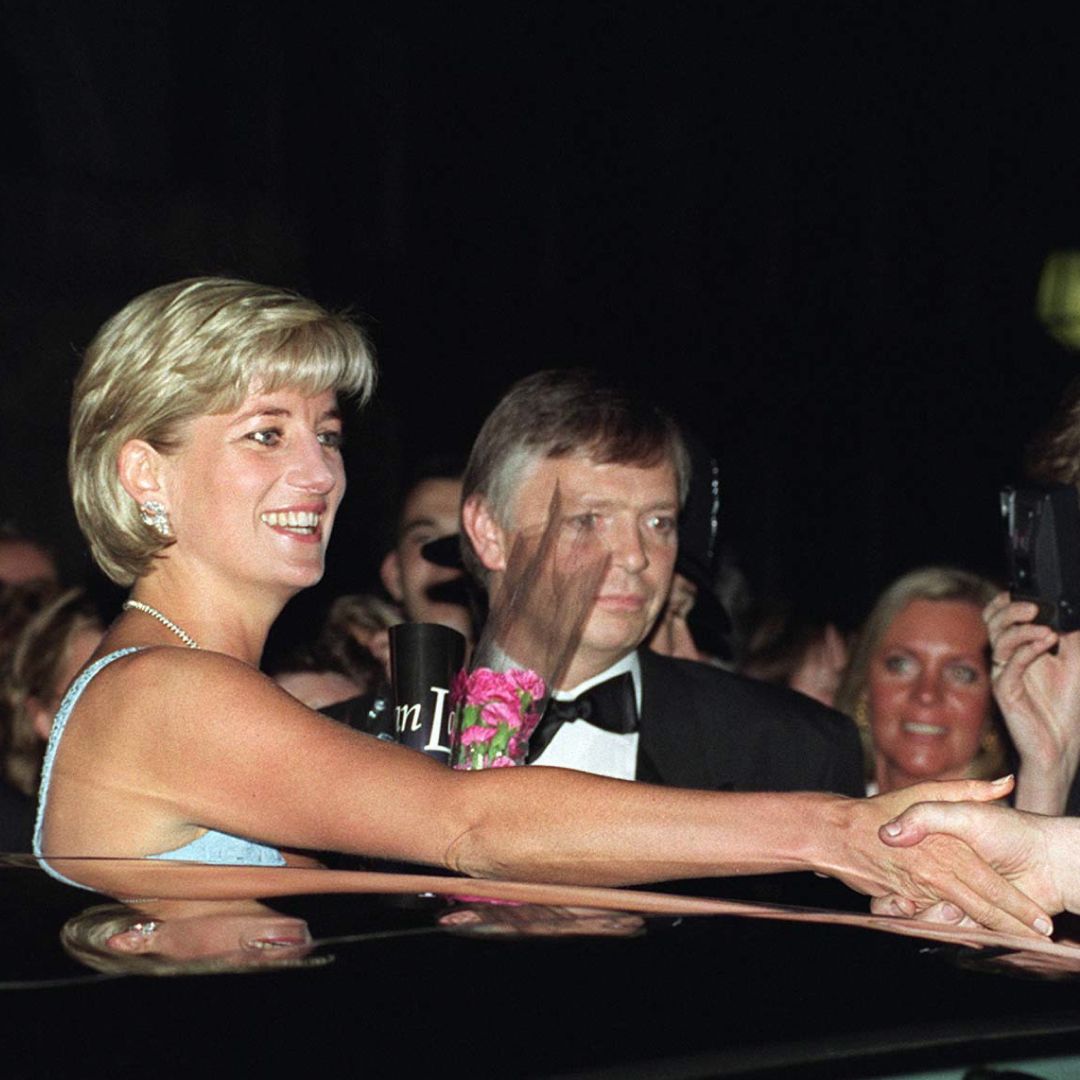
There is a particular stillness that comes when the stage lights dim and the audience holds its breath, waiting to see if the lead will move. Ken Wharfe's observation to *Marie Claire*, that "if the star of the show isn't performing, the whole thing falls apart," lands with the weight of a quiet truth. It is not a scandalous revelation, but rather a gentle acknowledgment of a reality we have always sensed: the monarchy is a theatre of endurance, and Princess Diana understood this better than most. Her life was not lived in private; it was curated for a public that demanded both her presence and her silence. She was the show, and when the performance wavered, the entire institution felt the tremor. This is not a critique of her choices, but a reflection on the exhausting weight of being the one everyone watches, the one whose very mood can shift the energy of a nation.
We often talk about confidence as a loud, outward declaration, but Diana's story, as framed by Wharfe, speaks to something far more intimate. It is the confidence to remain visible while knowing you are being consumed. In our own lives, we are not performing for a kingdom, but we are often performing for an audience of our own making. We curate our feeds, we soften our edges, and we learn to smile when the moment calls for it. There is a quiet strength in recognizing the performance for what it is, and an even greater strength in deciding when to step off the stage. This resonates deeply with the idea of The Quiet Confidence of Knowing When to Walk Away, a narrative that suggests true power is not in holding the gaze, but in knowing when to break it. Diana's legacy is not just in her titles, but in her relentless pursuit of a self that existed beyond the lenses.
What strikes us most is not the pressure itself, but the reinvention it demands. The article reminds us that before we could scroll past royal updates, the coverage was "relentless," a word that feels both exhausting and familiar. We see this mirrored in the modern muse, the woman who must constantly evolve to remain relevant. Charles Spencer has spoken of Diana's "mischievous attraction to reinventing herself," a trait that feels less like vanity and more like survival. She understood that to remain still was to be defined by others. In a world that wants to pin us down, to label us as one thing or another, the act of becoming is a quiet rebellion. This is the lesson we carry with us: the performance may be expected, but the person beneath it is ours to protect. We are not the first to feel the weight of expectation, nor will we be the last, but we can choose how we carry it.
For our readers, the takeaway is not about royal protocol or the intricacies of palace life. It is about the permission to be the star of your own show without losing yourself in the role. When we feel the pressure to perform, we must ask ourselves who we are performing for. The answer, more often than not, should be ourselves. Watch for the moment when the applause fades and the curtain falls. What remains is not the performance, but the person who chose to keep going, to keep becoming, and to keep her own story close. That is the quiet luxury of a life lived on your own terms.