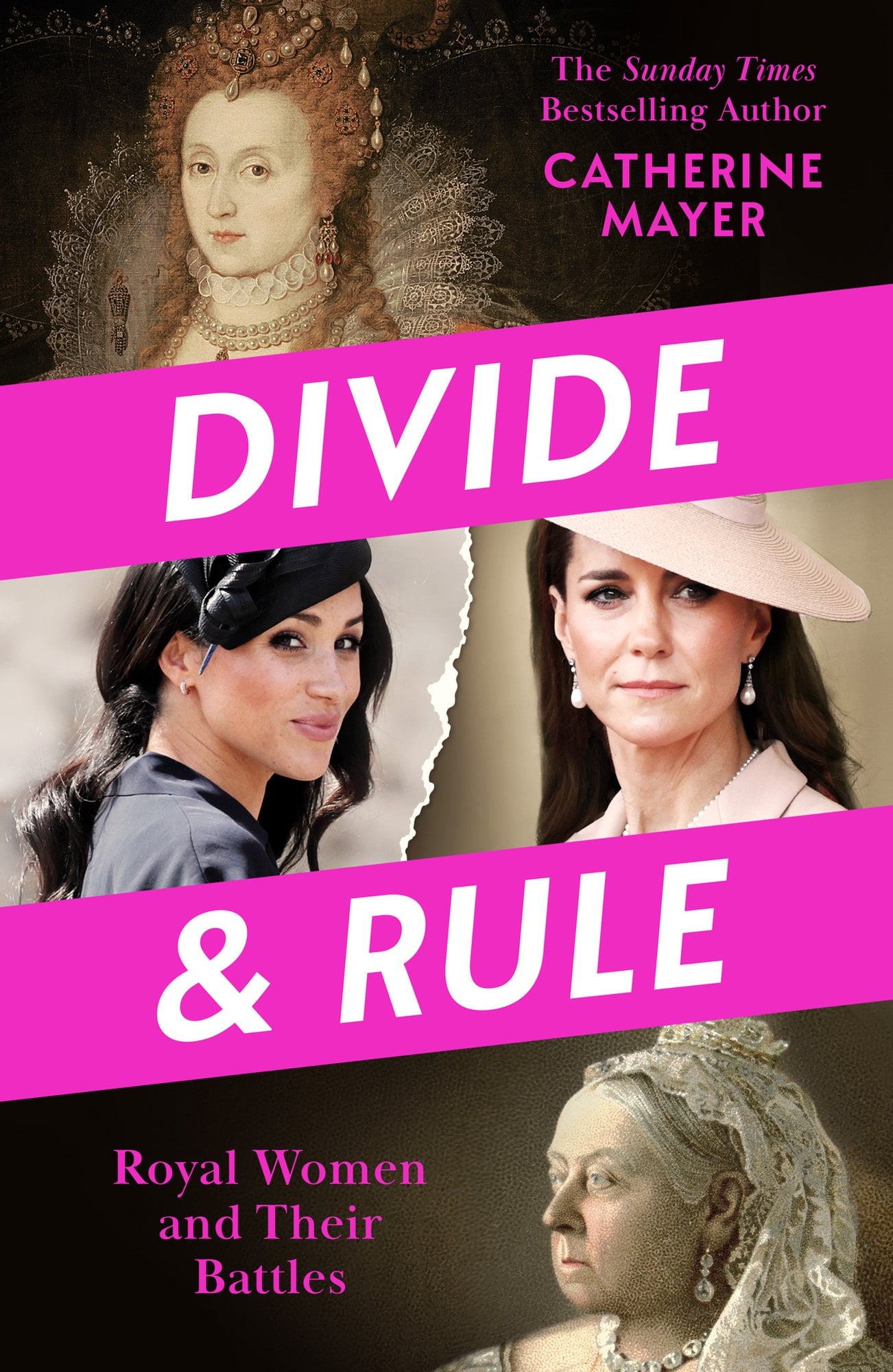
There is a particular kind of myth-making that happens to women who step into power, and it is rarely kind. The article's observation that some stories about Meghan Markle resemble those once circulated about Anne Boleyn is not hyperbole; it is a quiet acknowledgment of a pattern we have seen repeat across centuries. We project our anxieties onto public women, then punish them for the projection. It is why the narrative around Meghan feels less like journalism and more like a cautionary tale we have told before. In that sense, she is not merely a duchess or an actress; she is a mirror, and we are still deciding what we want to see in it. This is not about royal gossip. It is about how we, as a culture, choose to frame female ambition, and whether we are willing to look at our own reflection.
This is where the story intersects with something deeper, something we have explored in our own pages. We have written about The Quiet Confidence of Knowing When to Walk Away, a piece about the grace found in setting a boundary, and about how that choice is often misread as coldness or defiance. Meghan's decision to step back, to protect her peace, is not a rejection of duty; it is a reclamation of agency. And yet, the press frames it as a plot, a calculated move, rather than a human one. Similarly, we have reflected on Prince Harry Reflects on a Joyful Return to British Soil, a rare moment of lightness in an otherwise heavy public narrative. That joy is real, but it exists alongside a relentless scrutiny that follows his wife like a shadow. The contrast is telling: he is allowed to have a homecoming; she is not allowed to have a narrative of her own.
The Boleyn comparison is not incidental. It is a warning dressed in historical allusion, and it should unsettle us. Anne was vilified for her ambition, her sexuality, her very existence in a world that demanded she be both alluring and invisible. Meghan, in her own era, faces a similar paradox. She is criticized for being too confident, then for being too vulnerable. She is told she speaks too much, then told she is silent. The goalposts move because the game is rigged. This is what we would tell a reader who asks, "Why does this matter?" It matters because the way we talk about powerful women shapes the way they are allowed to lead. It matters because when we reduce a woman to a caricature, we rob her of her complexity, and we rob ourselves of the lessons her story might teach us. We have also touched on Diana, Drawn to Reinvention, Received a Proposal from Across the Atlantic, and the parallels are impossible to ignore. Diana was adored and destroyed in the same breath, her humanity sacrificed for a story we could consume more easily. We do not learn from our myths; we repeat them until someone breaks the cycle.
So what do we do with this? We stop treating headlines as truth and start asking whose interests they serve. The takeaway, the one we hope lingers, is this: the next time you see a woman in power reduced to a trope, pause. Ask yourself what is being left out. The story is never just the story. It is the frame around it, the silence between the words, the choice of who gets to speak. Meghan, like Boleyn, like Diana, is not asking for our approval. She is asking for our honesty. And that is a request we should be brave enough to honor, not with outrage, but with the quiet confidence of knowing that our attention is a currency, and we can choose to spend it elsewhere.