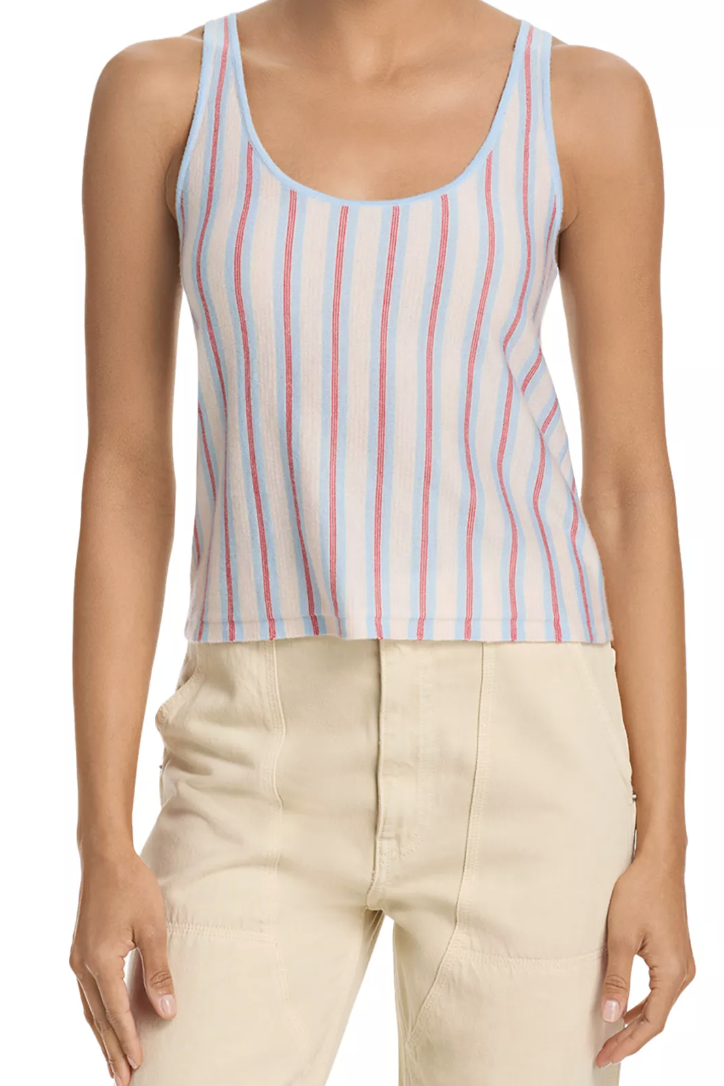
There is a particular kind of freedom that comes from owning less, not more. The article on curated escapes under $200 understands this instinctively, focusing on versatility as the ultimate luxury. We read about the travel bug, the endless bookings, and the quiet admission that most of us overpack. But what resonates here is not the itinerary; it is the mindset. The pieces that earn their spot are not the loudest or the trendiest. They are the ones that move seamlessly from a sun-drenched terrace in Spain to a late-night stroll through unfamiliar streets. That is not shopping. That is self-editing.
This philosophy dovetails beautifully with the broader cultural conversation we have been following. We recently explored The October Edit: The Quiet-Luxury Staples Defining the Season, where the focus was on investment pieces that whisper rather than shout. The through-line is intentionality. Whether you are packing for a weekend away or curating a weekly uniform, the goal is never accumulation. It is alignment. When you strip away the noise, you are left with items that serve a purpose, that make you feel like yourself, and that ask nothing more than to be worn well. The under-$200 constraint is not a limitation; it is a creative boundary that forces clarity.
What we would tell a reader who asks about this story is simple: do not mistake price for value. Value, here, is measured in how many ways a single piece can transform. A silk scarf becomes a top, a headwrap, or a bag charm. A slip dress works for day with sandals and for night with heels. The practical takeaway is to audit your own wardrobe with the same ruthless curiosity you would apply to a packing list. Ask yourself what you would grab if you had to live out of a carry-on for a month. The answer, more often than not, reveals what you truly need. This is the quiet confidence of knowing when less is more, a theme that also surfaced in our piece on The Quiet Confidence of Knowing When to Walk Away. Both are exercises in discernment.
The editorial stance here is not anti-consumption; it is anti-clutter. We are not telling you to stop buying. We are telling you to buy with intention. The most compelling detail to watch is how this translates beyond the suitcase. If you can master the art of the capsule wardrobe for a two-week trip, you can apply that same discipline to your schedule, your relationships, and your mental space. The question is not whether you will buy something under $200. It is whether you will finally let go of everything else that no longer serves you. That is the real escape, and it does not require a passport.