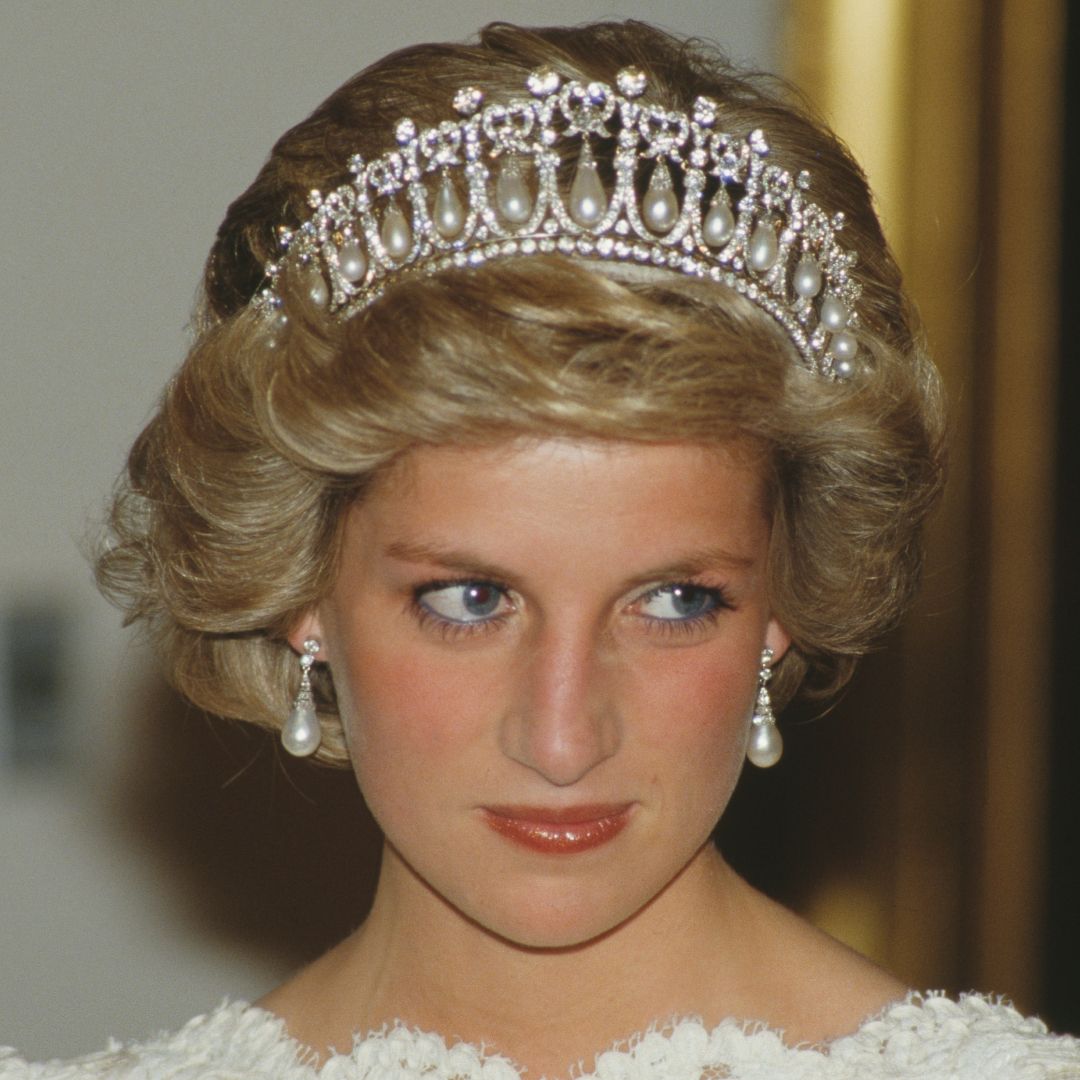
There is a particular kind of strength that never needs to announce itself. It moves quietly, works behind the scenes, and endures long after the noise fades. Ken Wharfe's recent recollection of Princess Diana offers us a glimpse into that exact quality. He told *Marie Claire* that "there was a real sense of duty on her part," a phrase that lingers because it feels both simple and profound. For a woman who was often defined by her glamour or her grief, this framing is a gentle correction. It reminds us that her foundation was not built on performance, but on a quiet, unwavering commitment to what she felt was required of her. We are not surprised, but we are moved. The Quiet Confidence of Knowing When to Walk Away explores a similar theme, the power that comes from understanding your own boundaries, and Diana's sense of duty feels cut from that same cloth. It was not about obligation to a crown, but about responsibility to a standard she set for herself.
What strikes us most is the intimacy of Wharfe's observation. He was not just a guard; he was a witness to her daily reality. He saw the moments when the public mask slipped, and he saw the moments when she chose to carry on anyway. That sense of duty was not a loud pronouncement, but a steady hum beneath the surface of her life. It is the kind of resolve that does not seek applause, which makes it all the more admirable. This is a valuable lens for our own lives. We often equate strength with resistance or rebellion, but Diana's example suggests that true fortitude can also look like showing up, day after day, even when you are tired, even when you are unsure. Prince Harry Reflects on a Joyful Return to British Soil reminds us that her legacy is also one of personal evolution, and this story adds a layer of quiet persistence to that narrative. She was not merely enduring her role; she was actively shaping it through her sense of responsibility.
We would tell a reader who asks about this story that it is a lesson in the power of internal motivation. Diana's duty was not to the cameras or the courtiers, but to herself and her own moral compass. It is a reminder that our most profound commitments are often the ones we make in private. The practical takeaway here is not about royalty, but about resilience. It is about finding the grace to fulfill your own obligations with a sense of peace, rather than resentment. Her story encourages us to examine our own "duty," not as a burden, but as an expression of our values. When we shift that perspective, we move from feeling trapped by our responsibilities to feeling empowered by them. That is the quiet power she embodied, and it is one we can all access.
As we consider her legacy, we are left with a specific question worth sitting with. If her sense of duty was so intrinsic, how might we cultivate that same gentle pull in our own lives? It is not about becoming a public figure or living a life of grand gestures. It is about the small, consistent choices we make to honor our own commitments. Diana's story, as told by those who knew her, is not one of tragic endings, but of a woman who understood her purpose. The detail to watch for is how she navigated that pull between personal desire and public expectation, a dance that remains endlessly relevant. It is a reminder that our own quiet strength is often found in the space between what we owe and what we choose to give.