There is a quiet revolution happening in fragrance, and it is not coming from a louder bottle. The American obsession with performance, with scents that announce themselves before you enter a room and linger long after you leave, is finally being challenged by a more intentional philosophy, one that East Asia has understood for centuries. This is not about trading impact for invisibility; it is about redefining what impact actually means. As For Gen Z, status is no longer seen but scented explores, the next generation is already searching for individuality through scent, and the most compelling answer may not be a sledgehammer of sweetness but a whisper of something singular.
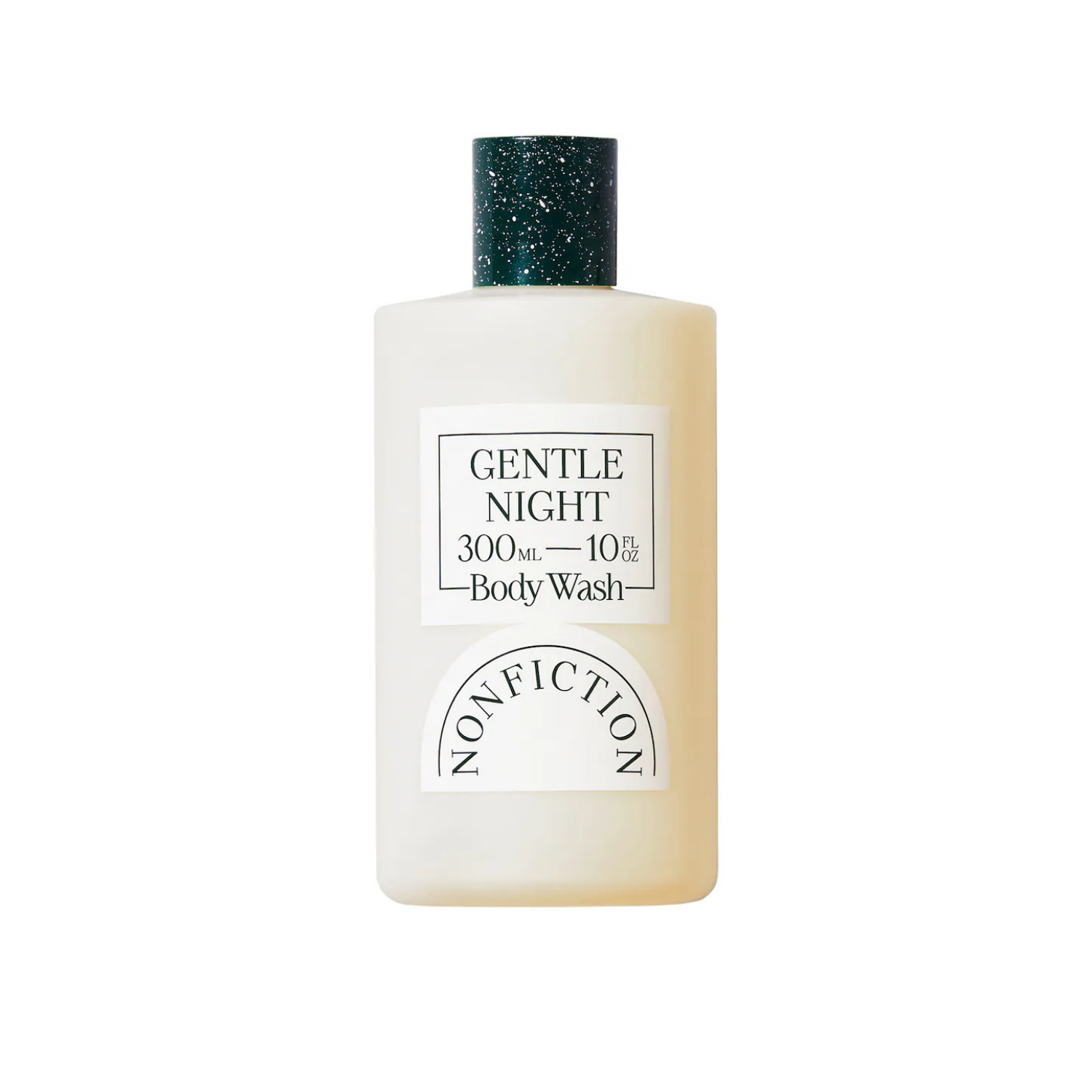
Japan, Korea, and China each offer a distinct lens, yet they share a foundational truth: a fragrance does not need to fill a room to be unforgettable. In Japan, the concept of *sumehara*, "smell harassment", frames intense projection as a social intrusion, not an asset. Perfumer Tomoo Inaba reminds us that the ancient traditions of *eko* and *kodo* treated scent as a fleeting, atmospheric presence rather than a declaration. Makoto Arii of Diffar formulates perfume oils at 35% concentration but relies on natural ingredients that unfold differently on each wearer, making the experience deeply personal. China's market, as noted by perfumer Alex Lee, draws on cultural touchstones like osmanthus and pu'er tea, favoring musks and soft woods that leave a trace without overwhelming. Korea's approach, described by Nonfiction's Eric Beck, lives close to the bath and the quiet ritual, scent as a restorative practice, not a performance. These are not subtle scents for the timid; they are refined choices for those who understand that power can be felt rather than heard. As The Perfume Editor's Quiet Edit: Six Scents Set to Define the Season confirms, editors are already gravitating toward blends that prioritize nuance over volume.
What this means for the American market is a slow but inevitable recalibration. We are already seeing savory gourmands built on rice and sesame, and brands like Diffar, Kōsui, and Nonfiction are establishing physical presences here. The creative push, as Lee frames it, is to explore new addictions without relying on syrupy sweetness. This is not a rejection of bold fragrance; it is an invitation to expand our definition of what bold can be. The most interesting question now is whether the American consumer will embrace the patience required to let a scent bloom on their own skin over hours, rather than demanding instant recognition. The answer will determine not just which bottles sell, but how we choose to inhabit our own presence.