Fragrance has spent years as the beauty category that moves at its own pace, but when it comes to accessibility, that pace has been too slow. Disability advocates April Lockhart and Maya Moore, along with occupational therapists and brand executives, make it clear that the industry is finally being asked to catch up, and the question is whether it will treat inclusivity as an afterthought or a design principle. For anyone who has ever struggled with a slick cap, an uncooperative nozzle, or a bottle that requires two hands and a prayer, this conversation is deeply personal. It echoes the same intentionality we explored in The Fragrance Critics on My FYP Curated My New Perfume Tray, where curation becomes a form of self-expression, but what happens when the bottle itself becomes the barrier to that expression?
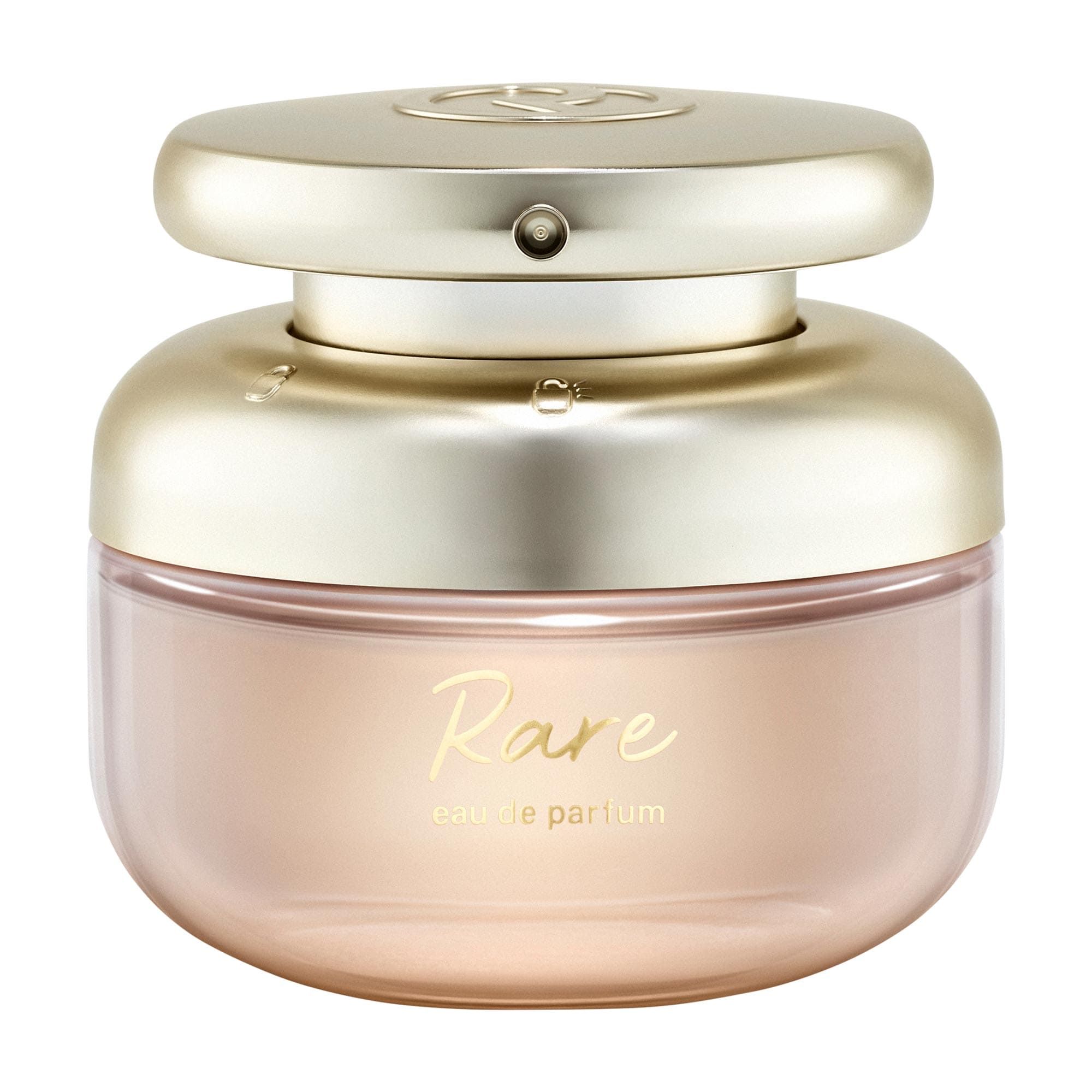
Lockhart puts it plainly: a truly accessible product should not require a workaround. She is used to adapting, as many are, but adaptation should not be the price of entry into a ritual that is meant to feel personal and pleasurable. Occupational therapist Frank Lombardo breaks down the specific demands, removing a tight cap, locating the nozzle, pressing the spray while holding the bottle, and the list alone makes you realize how much we take for granted. Rare Beauty stands as the clearest example of what happens when accessibility is considered from the start. Its fragrance features an oversize actuator that can be pressed with a fist or forearm, a twist-to-lock mechanism, and an ergonomic bottle designed with certified hand therapists. Moore calls the brand "in a league of their own," and it is hard to argue when you see the result: a product that does not ask the user to compromise on aesthetics or independence. This is not about charity; it is about better design for everyone, much like The White Sheet Test for a Self-Tanner Worth Sleeping In reminds us that the best products work with your life, not against it.
What sticks is Moore's observation that fragrance is not just perfume. It is a ritual, a mood changer, an act of free will. When a bottle creates more barriers than it breaks, the internal question shifts from frustration with the product to doubt about oneself. That is the quiet damage of inaccessible design. Nette's Lemon Puff, with its stable base and trapezoidal cap, and Cécred's Temple Oud Hair Perfume, with its bowl-shaped cap that is easy to grasp, show that small choices in packaging can open the door to independence. Lockhart's directive is simple but radical: offer each scent in more than one format, spray, stick, roller, so that the discovery of a signature scent does not begin with a struggle. The takeaway is direct: fragrance brands must treat accessibility as a starting point, not a bonus feature. The next time you reach for a bottle, ask whether it could be held, opened, and applied with one hand. If the answer is no, the design has room to grow.