There is something quietly radical about letting strangers on the internet curate your perfume tray. It requires a surrender of control that luxury culture rarely permits, and yet, as one woman's journey from Vera Wang Princess to a collector's cabinet of niche bottles proves, the result is often more refined than anything a department-store beauty advisor could offer. We think this shift, from curated-by-industry to curated-by-community, is one of the most meaningful developments in how we now choose what we wear, and it deserves more attention than it gets. It also echoes a theme we explored in The Parisian Art of Layering, Translated for the Modern Woman: that true style is built through personal discovery, not prescribed rules.
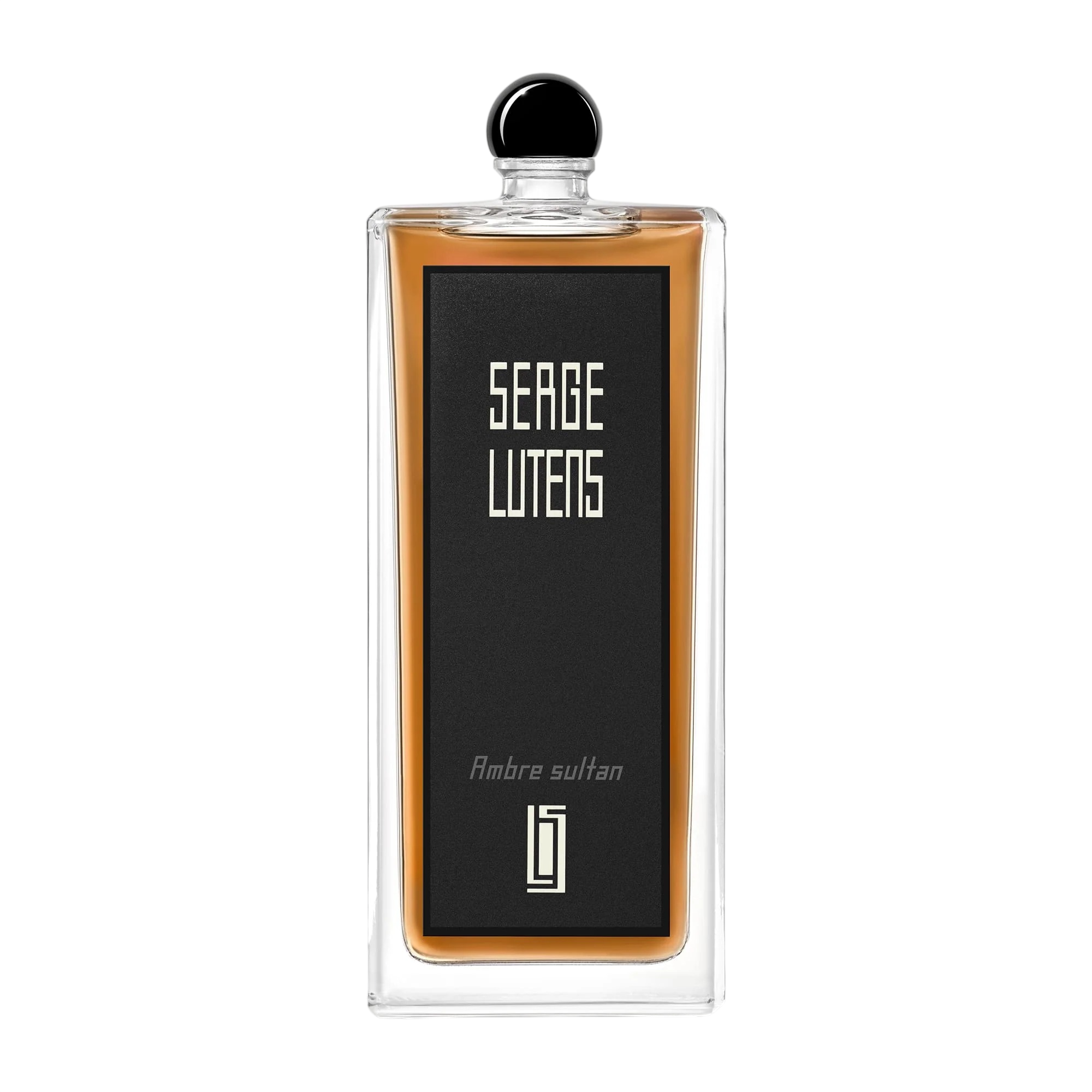
The story begins with a familiar nostalgia, a tween's first spritz of sugared florals, a trip to Nordstrom with a mother's guidance, the eventual leap from Black Opium to Byredo's discontinued Velvet Haze. But what follows is less a shopping list and more a quiet education. During the pandemic, while others baked bread, she fell into the rabbit hole of perfume TikTok, following critics like @cammyreviews, @jesycu, and @scentedstories. She ordered samples from Luckyscent and Scent Split, visited Aedes Perfumery and Stéle in New York, The Scent Room in Los Angeles. She learned the names of houses most people have never heard of: D.S. & Durga, Gabar, Indult, Maison Mataha, Nostos, Régime des Fleurs, Serge Lutens. She became knowledgeable enough to weigh in on Who What Wear's Beauty Awards. The perfume tray that emerged was not assembled by a brand or a stylist. It was assembled by trust, trust in strangers who had nothing to sell her but their own genuine obsession.
Camryn Kim of @cammyreviews, one of the critics who shaped this collection, describes her path with an honesty that feels almost radical in its vulnerability. She was a nanny who had dropped out of college during lockdown. She grew up unable to wear fragrance because her mother was sensitive, which created a scarcity-driven fascination. Her first visceral connection to a scent came from Musc Ravageur by Frédéric Malle, a fragrance that "made me feel things I didn't understand." That is the language of someone who treats perfume as emotional architecture, not accessory. Her current rotation includes Shanghai 1930 by Astrophil & Stella, Velvet Violet by Dries Van Noten, and Grimoire by Anatole Lebreton. Her dream collaboration would be with an independent or Asian niche house. She is not interested in volume or virality. She is interested in the feeling a bottle can unlock.
This is where the practical takeaway becomes unavoidable. If you are still choosing fragrance based on what is displayed at the front of a Sephora, you are missing the point, and the pleasure. The most compelling scents of the moment are not being pushed by billboards or celebrity campaigns. They are being discovered through the patient, obsessive recommendations of people like Camryn, who have smelled hundreds of bottles and can tell you which one smells like a grandmother's curio cabinet from the 1930s or a rice note that no one else has covered. The consequence for the reader is simple: the next time you are tempted to buy a full bottle of something you have only smelled on a card, pause. Order a sample from Luckyscent. Follow a critic who describes fragrance in terms of soul rather than notes. Let your FYP be your perfumer. The tray you build might end up telling a more interesting story than any prestige counter ever could.