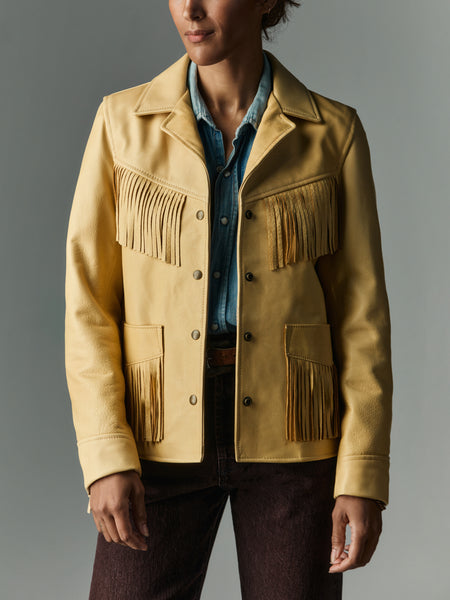
There is something quietly intoxicating about the way a Parisian woman layers. It is not merely a response to the weather, though the city's autumn temperature swings from a brisk 28 degrees in the morning to a mild 50 by afternoon certainly demand strategy, but a philosophy of dressing that prioritizes intention over volume. Our recent trip to Paris reinforced what we have long suspected: the French do not layer for warmth alone. They layer for mood, for texture, for the pleasure of revealing something unexpected. This is a skill that translates beautifully for the modern woman who wants her wardrobe to feel considered, not complicated. It is the same quiet confidence we admired in Harriet Sperling's Quiet Elegance Shines in First Christmas as Royal Wife, where understatement becomes its own kind of power. And just as Sai De Silva's Quiet Price for an Unquiet Life reminds us that every choice carries a cost, the Parisian approach asks us to be deliberate about what we put on, and why.
Our take is simple: the Parisian art of layering is not about piling on pieces, but about editing with the same restraint one applies to a well-turned sentence. A cropped cashmere V-neck under a tailored wool-blend coat. A leopard coat worn as a neutral. A funnel-neck fisherman jacket that requires nothing else to make its point. Each outfit in the roundup we compiled from the trip feels complete because it trusts the individual pieces to hold their own. There is no shouting, no competing for attention. This is quiet luxury in practice, and it is precisely the kind of intentionality we champion. For our readers, the practical takeaway is this: stop asking what to add, and start asking what to leave out. A single statement coat, a quality belt, a boot that carries you through ten thousand steps, these are the foundations. The rest is atmosphere.
What makes this approach so relevant now is its refusal to perform. In an era of constant content and consumption, the Parisian woman layers as if no one is watching. She wears white pants after Labor Day because she loves them. She carries a clutch that screams nothing, yet says everything about her self-possession. This is the same ethos we saw in The Zara Pieces That Slide Into a Jeans Wardrobe With Ease, where accessibility meets intention. The difference here is the emotional register: Parisian layering is not just practical, but poetic. It invites you to feel the weight of a cashmere sweater, the swing of a corduroy jacket, the quiet satisfaction of a well-chosen earring catching the afternoon light.
The consequence for our reader is clear: you do not need a trip to Paris to adopt this mindset. You need only to look at your wardrobe with fresh eyes, asking not what is missing, but what is already there waiting to be layered with purpose. The question that remains is whether we can resist the urge to overcomplicate something so elegantly simple.