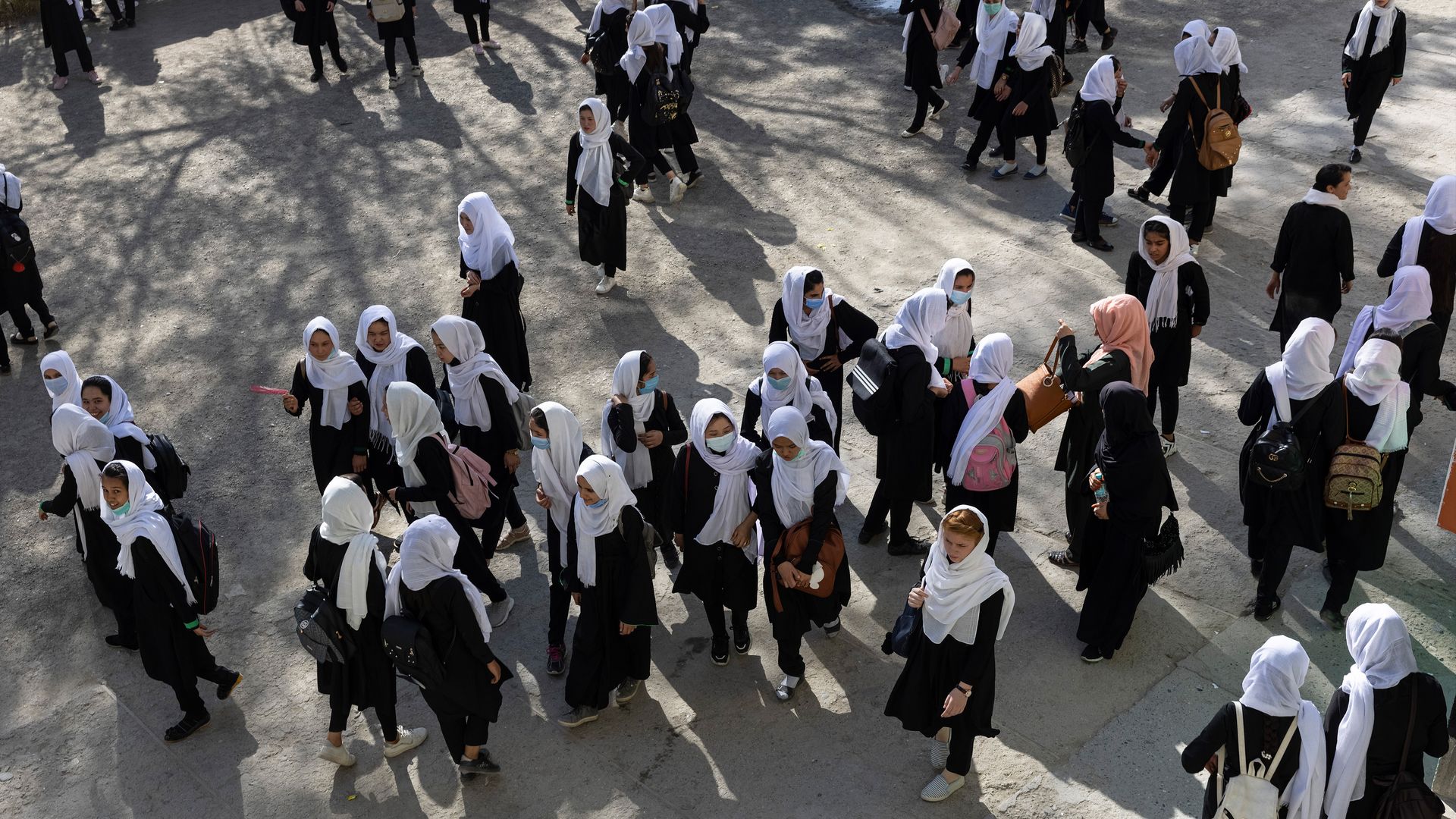
There is a particular kind of courage that does not announce itself. It does not posture or perform. It is the quiet, deliberate refusal to accept a world that has been made smaller for you. The story of SOLA, the School of Leadership, Afghanistan, now operating in exile in Rwanda, is not a story about politics. It is a story about the radical act of continuing, of showing up to a classroom when the most powerful forces on earth have told you that you cannot. This is not a tale of victimhood; it is a study in intentional, unyielding self-determination, and it is the kind of quiet rebellion we find far more powerful than any headline. It reminds us of the same spirit we explored in The Quiet Rebellion of Diana's Secret Solos, a private, dignified defiance that asks for no audience but insists on its own truth.
For our readers, this story reframes what luxury truly means. We often speak of refined living, of curating a life of intention and beauty. But what is more refined than the pursuit of knowledge when it costs you everything? The 118 girls at SOLA have traded their homeland, their families, and the very metadata of their photographs for the chance to study biology and fractions. Their head of school, Shabana Basij-Rasikh, first learned to read while disguised as a boy, walking a different route to a secret classroom each day. That is not desperation; that is a blueprint for a life built on purpose. It is the same kind of discerning, quality-first thinking that drives The Quiet Search for Quality at Any Price, except here, the price is not measured in currency, but in safety, in belonging, in the very right to exist in public space.
What makes this story so arresting is its restraint. There is no grand rhetoric from the students. Sinah, the 14-year-old who crossed mountains and border fences on foot, did not give a speech. She typed a short poem into her phone about oppression and unfairness, and she kept walking. The school itself sits behind tall walls in a Kigali neighborhood, indistinguishable from a former hotel, its students banned from social media lest their digital footprints endanger families back home. This is a world built on silence and discipline, not on visibility. It is a profound lesson in what it means to hold power quietly, to know exactly what you are doing without needing to prove it to anyone outside the gates.
The specific takeaway here is a question we should all sit with: What are we willing to risk for the life we say we want? For these girls, the answer is clear. They have already lost their homes. They may never return. Their futures rest, as one student put it, on three things: time, patience, and Shabana-jan. That is not a sentimental ending. It is a ledger of what is owed, and a reminder that the most luxurious thing a person can possess is an education that no one can take away. The world has moved on from Afghanistan, but inside that compound in East Africa, 118 girls are still running toward the mountain.