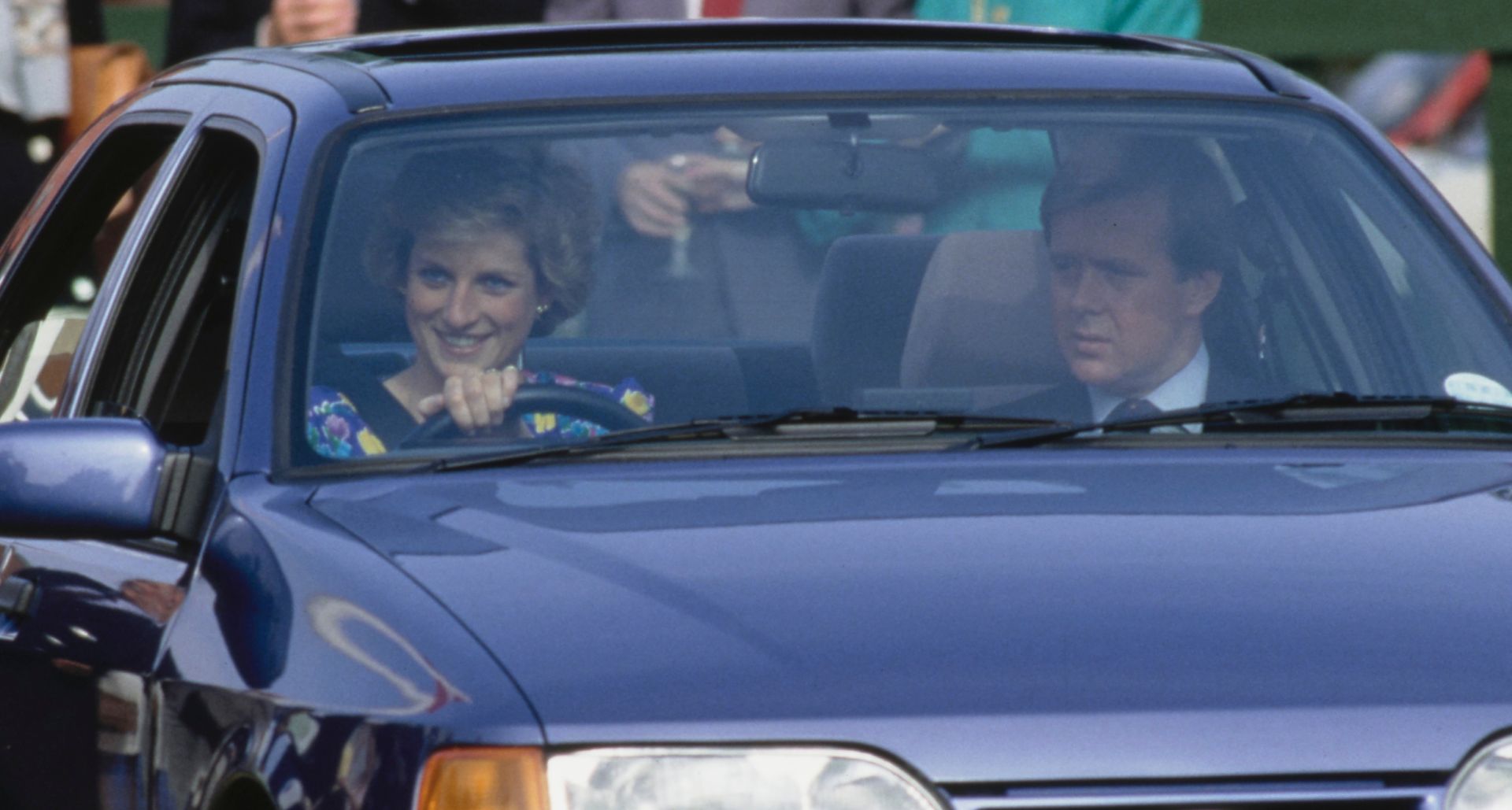
There is something quietly radical about a woman who turns her loneliness into an act of witness. Princess Diana's secret solo drives through London, pressing cash into the hands of sex workers, pausing to see how the homeless were coping, were not simply charity. They were a form of private rebellion, born not from strategy but from a restlessness that refused to sit still within palace walls. As former press secretary Dickie Arbiter recently recalled, Diana would tell her protection officer she was staying home, only to slip out alone once the coast was clear. The impulse was partly boredom, he said, and partly something she felt she had to do. We find that distinction worth sitting with. Boredom, in a life as constrained as hers, is not emptiness. It is energy seeking a worthy container.
That same quiet instinct for showing up when it mattered most echoes in A Steady Presence When William Needed Her Most, where another woman in the royal orbit offered a sounding board rather than a spotlight. Diana understood something that feels especially relevant now: presence does not require permission. She did not wait for an official engagement or a scheduled visit. She drove to Paddington because the night stretched long and the world outside Kensington Palace felt more real than the one inside it. Arbiter's detail about the security "rigmarole" her friends faced, names, addresses, car numbers, arrival and departure times, paints a portrait of a woman who was both impossibly protected and profoundly alone. Her response was not to complain but to move. She reclaimed her evenings by giving them away.
The practical takeaway here is not about emulating a princess's schedule. It is about recognizing that the most meaningful contributions often begin in the margins, in the hours that feel empty, the moments when no one is watching. Diana's work with homelessness organizations like The Passage and Centrepoint was not a footnote to her public life; it was the axis. Her son now carries that work forward, and A Quiet Royal Wish for a Princess Pen Pal reminds us that the connections she built were deeply personal, not performative. She wrote letters. She showed up in the cold. She gave money directly, hand to hand, bypassing the systems that had failed her own need for intimacy.
What we are left with is a question that lingers beyond the anecdote: how often do we mistake a woman's loneliness for weakness, when it might instead be the very thing that sharpens her vision? Diana's secret solos were not a sign of desperation. They were the quietest form of authority, the kind that does not wait for an invitation to act.