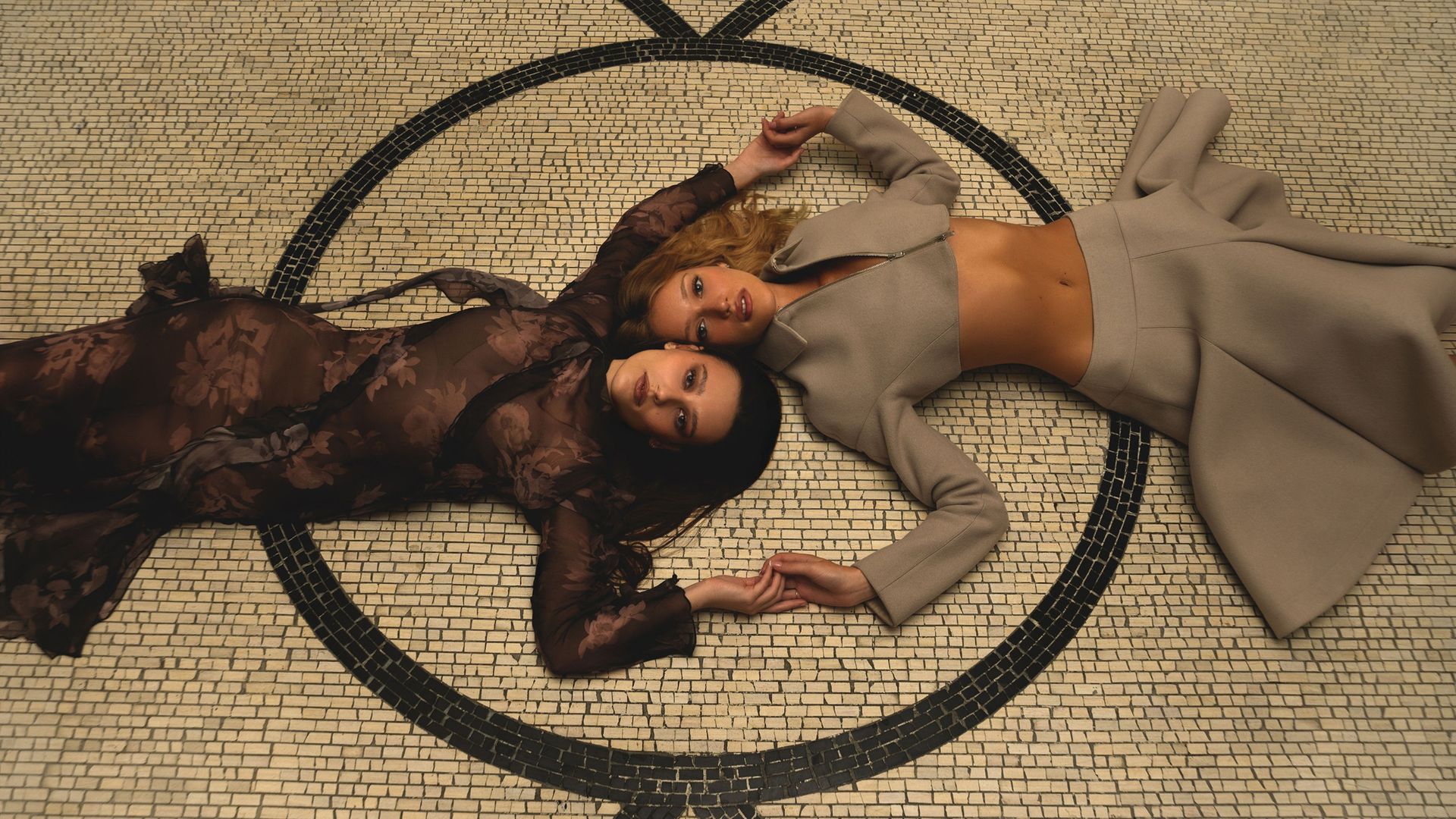
There is something quietly radical about a show that refuses to choose between camp and sincerity, and *The Body* makes that refusal feel inevitable. Quinn Shephard has created a genre-bending Y2K psychodrama that treats girlhood with the gravity of a religion while still letting its characters wear neon and scheme in the bleachers, and the result is the kind of television that feels like it was made for the version of you who once watched *The Craft* and *Bring It On* back-to-back and wondered why no one had ever thought to merge them. For our readers, who understand that style is never separate from selfhood, this series offers something rarer than nostalgia: it offers permission to hold contradictions. You can be devout and rebellious, soft and sharp, earnest and darkly funny. Florence Pugh channels quiet drama in a sculptural ode to power in her latest press look, and *The Body* does something similar with its tone, it sculpts power out of quiet, intimate moments rather than loud declarations.
What makes the show land, though, is not its clever premise but the genuine sisterhood that radiates from its ensemble. Kristina Bogic and Geena Meszaros, playing dance-troupe leader Anya and the peculiar Lisbeth, describe a set where trust was built not through forced bonding exercises but through late-night exhaustion and a shared willingness to be strange. Bogic says she knew she could be any version of herself with Meszaros and it never felt weird; Meszaros says they understood each other's need for peace and quiet. That kind of mutual recognition cannot be manufactured, and it translates directly to the screen. Their friendship is not a plot device designed to break up another couple, it is the emotional spine of the series, and it works because the actresses refused to treat it as secondary. Leighton Meester Finds Comfort in the Holiday Classics She Loves, and there is a similar comfort in watching two performers who genuinely enjoy each other's company inhabit a world that could easily have tipped into parody.
The practical takeaway for anyone watching is this: *The Body* succeeds because it trusts its audience to hold nuance. Shephard and her cast leaned into improvisation, letting the humor emerge from characters who are dead serious about stakes that are both absurd and valid. That is a rare discipline. Most shows that aim for camp forget to ground it, and most shows that aim for drama forget to have fun. This one remembers that girlhood is never one thing, it is paranoia and friendship, faith and betrayal, joy and exhaustion, often in the same scene. The result is a series that does not need to explain itself. It simply invites you in.