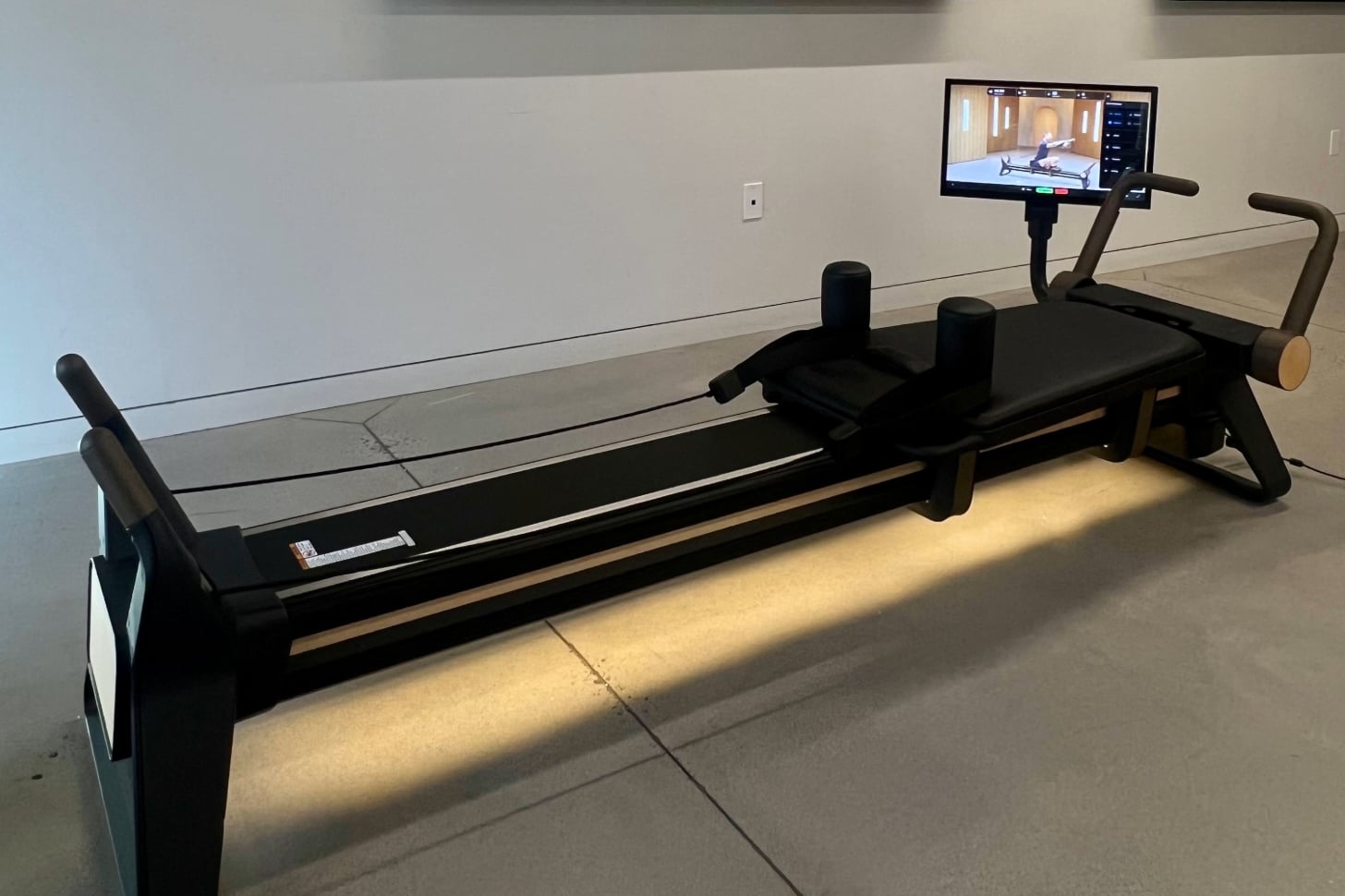
We have always believed that a home should reflect how you want to feel, not just how you want to live. So when we read about someone dreaming of a NordicTrack reformer for at-home flow, we felt an immediate recognition of something we have been circling for some time: the quiet evolution of personal space. This is not a story about fitness equipment; it is a story about reclaiming the part of your day that belongs only to you. We have written before about The dumbbells that turn your living room into a sanctuary of strength, and the connection between the two pieces is unmistakable. Both understand that the most effective training environment is not the one with the most machines, but the one that feels like an extension of your own rhythm. Where that earlier piece focused on the quiet ritual of strength, this one reaches for the fluidity of movement, and both arrive at the same conclusion: consistency lives where comfort already exists.
What strikes us as particularly intentional about this choice is the rejection of the crowded, the loud, and the performative. The author does not want a gym that impresses guests; she wants a space that allows her to disappear into her own practice. This aligns with a shift we are seeing across our coverage, from Embrace the Morning: Strength & Stretch for a Refined Start to our recent reflection on Effortless Essentials: Wardrobe.NYC x H&M, Styled with Quiet Confidence. In each case, the common thread is not the object itself, but the intention behind choosing it. A reformer is not a status symbol; it is a tool for presence. The same way a well-edited wardrobe allows you to stop thinking about clothes and start thinking about your day, a well-chosen piece of equipment allows you to stop negotiating with your environment and start moving. The practical takeaway here is simple but often overlooked: the best investment you can make in your home is not the most expensive item, but the one that removes the friction between you and the practice you want to sustain.
For our readers, the question becomes less about whether a reformer belongs in a dream home and more about what that choice says about the kind of life you are designing. We see this as a deliberate move toward privacy and depth over spectacle. The author is not trying to replicate a boutique studio; she is trying to create a mood that makes her want to show up. That distinction matters. It separates a purchase from a practice. What we are watching unfold is a redefinition of what luxury means in the domestic space: not more square footage, but more sovereignty over how you spend your time. The detail to watch is whether this trend continues to move away from equipment that demands attention and toward objects that quietly support a state of mind. If the reformer is any indication, the next wave of home design will be measured not by what you own, but by how easily it lets you forget the rest of the world exists.