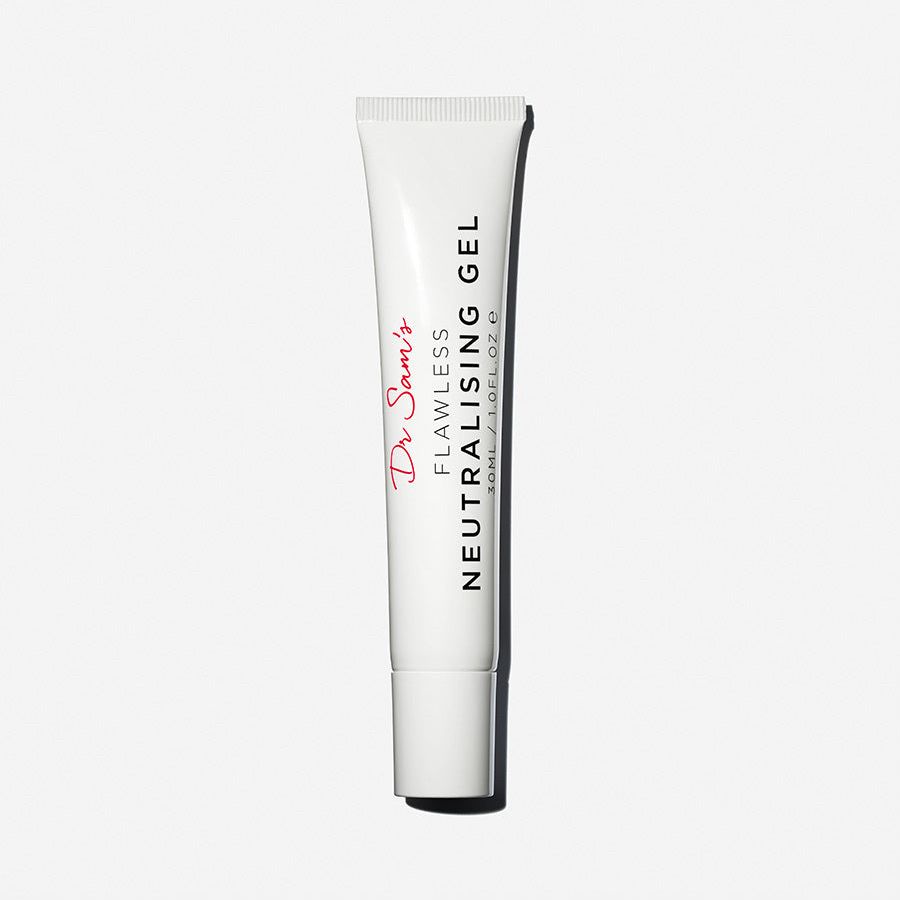
There is something quietly radical about a woman who admits that her skin has been a lifelong negotiation. The author of "My Skin Diary: The Acne Treatments That Earned Their Place" does not offer a quick fix or a triumphant before-and-after. She offers a timeline: teenage onset, persistent twenties, a thirties truce with hormonal breakouts. That honesty, stripped of drama, is precisely what makes her perspective so rare in a category that thrives on transformation promises. She is not selling a cure. She is sharing a relationship, one that required patience, failure, and a willingness to learn what her skin would and would not accept.
This piece sits naturally alongside others we have published that treat skincare as a practice of devotion rather than a problem to solve. In Winter’s Quiet Thirst: Nurturing Mature Skin With Intention, we explored how cold air and indoor heating demand a gentler, more deliberate response from those whose skin has changed with time. And in A Ritual of Devotion: The Skincare Edit for My Mother at 59, we saw how care can be an act of love passed between generations. What unites these stories is a refusal to treat skin as a battlefield. The author of this acne diary, like those women, has stopped fighting and started listening. Her takeaway is not a product name but a mindset: that control comes not from force, but from understanding.
What strikes us most is the timeline she describes. Acne that persists from adolescence through a woman's twenties and into her thirties is not a phase. It is a companion. Many of our readers, we suspect, will recognise that companion all too well. The conventional beauty industry would have us believe that every breakout is a failure of effort or product choice. But this writer implies something more nuanced: that some skin simply requires a longer, quieter relationship before it reveals what it needs. Her honesty frees the reader from the pressure of instant results. The takeaway we would offer anyone who asks us about this article is simple: your skin's timeline is not a reflection of your diligence. Some answers take a decade to arrive.
The practical consequence for our readers is this: if you are still in the trial-and-error phase, you are not doing it wrong. You are doing the work. The author's story suggests that the goal is not to eliminate every hormonal breakout but to reach a place where those breakouts no longer define your relationship with your reflection. That is a quieter victory, but a deeper one. We will be watching for the products she eventually names, but more than that, we will remember her posture: calm, patient, and unwilling to perform a false resolution. That, in itself, is a treatment worth earning.